Hepatic Hemangioma: Causes, Symptoms, Diagnosis, and Treatment with Advanced Methods
Introduction
A hepatic hemangioma is one of the most common benign liver tumors, formed by a collection of blood vessels, and usually remains asymptomatic. These masses are often discovered incidentally during imaging tests. This comprehensive article provides a complete overview of hepatic hemangioma, including modern diagnostic and treatment methods such as sclerotherapy and embolization.
Liver Anatomy and Function
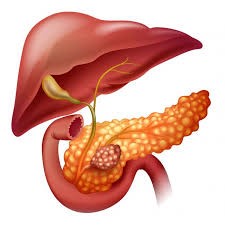
The liver is the body’s largest internal gland, located in the upper right part of the abdomen. This vital organ plays a key role in metabolism, bile production, nutrient storage, and blood filtration. The liver acts as a natural filter and is responsible for producing essential proteins for blood clotting and the immune system.
What is a Hepatic Hemangioma?
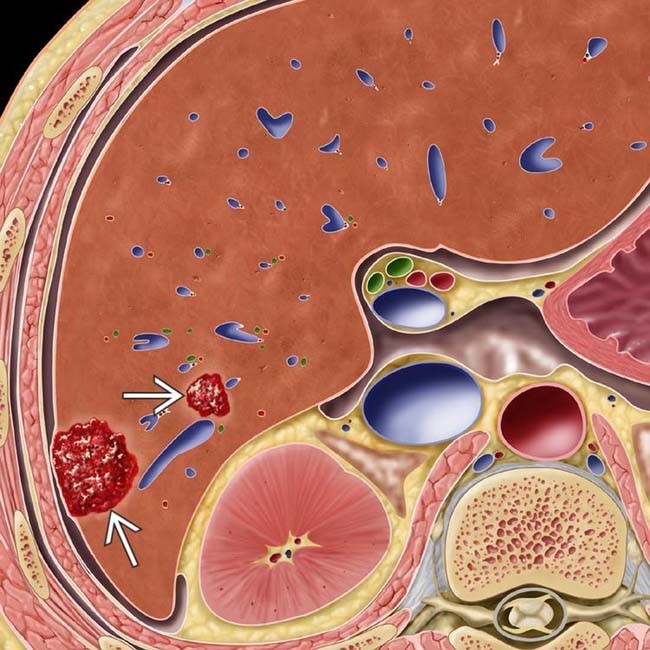
A Hepatic Hemangioma is a non-cancerous (benign) mass composed of a network of blood vessels. This condition is seen in approximately ۲۰% of the population and is more common in women than in men.
Types of Hepatic Hemangiomas
-
Small Hemangiomas: Diameter less than ۴ cm, usually asymptomatic.
-
Large (Giant) Hemangiomas: Diameter greater than ۴ cm, which may cause symptoms.
Causes and Risk Factors
-
Congenital defects in blood vessel development
-
Influence of estrogen (higher prevalence in women)
-
Genetic factors and family history
Symptoms and Signs
-
Pain in the right upper quadrant of the abdomen
-
Early satiety (feeling full quickly)
-
Nausea and vomiting
-
Abdominal swelling (in advanced cases)
Advanced Diagnostic Methods
-
Blood Tests: Liver function tests (ALT, AST).
-
Imaging:
-
Ultrasound
-
Contrast-enhanced CT scan
-
MRI
-
-
Biopsy: (In specific cases, though rarely needed due to characteristic imaging features).
Modern Treatment Methods
۱. Active Surveillance
For small, asymptomatic hemangiomas, regular follow-up with imaging is recommended.
۲. Sclerotherapy
-
Mechanism of Action: Injection of a sclerosing agent into the vascular mass causes the abnormal vessels to close off.
-
Advantages:
-
Minimally invasive procedure
-
No need for general anesthesia
-
Short recovery period
-
۳. Embolization (Transarterial Embolization – TAE)
-
Mechanism of Action: Blocking the arteries supplying the hemangioma using a catheter and specific materials (e.g., microspheres, coils).
-
Advantages:
-
Effective control of mass growth
-
Reduced risk of bleeding
-
A suitable alternative to open surgery
-
۴. Surgery
For very large or symptomatic cases, surgery may include:
-
Lobectomy: Removal of a portion of the liver.
-
Enucleation: Surgical peeling out of the mass.
Post-Treatment Care
-
Regular monitoring with imaging
-
Healthy and balanced diet
-
Avoiding alcohol consumption
-
Weight control and appropriate physical activity
Prevention and Conclusion
Although definitive prevention of hepatic hemangioma is not possible, maintaining a healthy lifestyle can contribute to liver health. Fortunately, most hepatic hemangiomas are harmless and do not require specific treatment. However, consultation with a gastroenterologist or an interventional radiologist is essential for choosing the best treatment method.
Important Note: Recent advances in medicine have made minimally invasive methods such as sclerotherapy and embolization effective options for treating vascular problems, offering significant advantages over traditional surgeries.