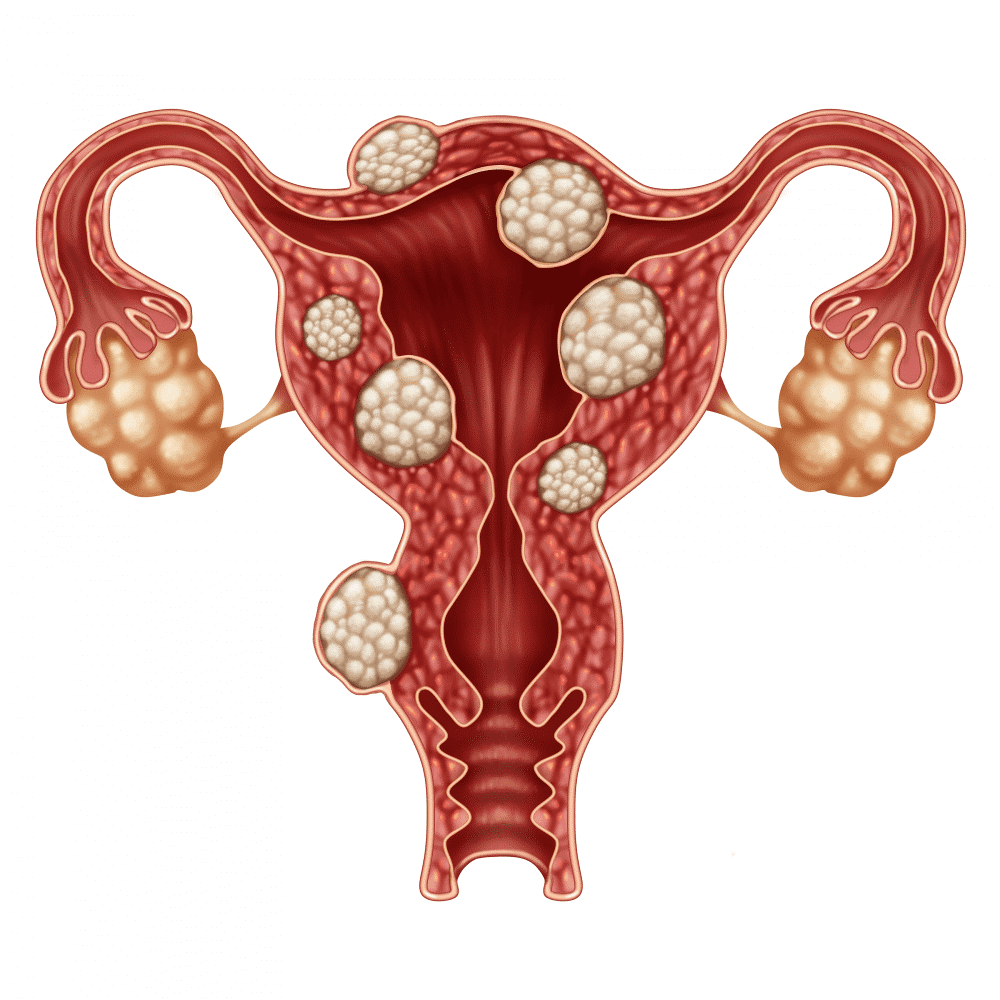
Uterine Fibroid Embolization (UFE)
Uterine Fibroid Embolization: A Modern Method for Treating Fibroids
Uterine fibroids (also known as leiomyomas or myomas) are benign tumors that grow in the wall of the uterus. These tumors are composed of muscle and fibrous tissue and are commonly seen in women of reproductive age. Fibroids can vary in size and are sometimes associated with symptoms such as heavy menstrual bleeding, pelvic pain, pressure on the bladder or bowel, and even fertility problems.
In the past, surgeries such as myomectomy (removal of fibroids) or hysterectomy (removal of the uterus) were the primary treatment methods. However, today, less invasive methods like Uterine Fibroid Embolization (UFE) have emerged as effective and safe alternatives. This article examines this procedure, its steps, advantages, disadvantages, and applications.
Uterine Fibroids and Treatment Challenges
Approximately 70-80% of women develop fibroids in their lifetime, but only 25-50% of them experience noticeable symptoms. Symptoms depend on the size, number, and location of the fibroids:
-
Heavy or prolonged menstrual bleeding
-
Pain or a feeling of pressure in the pelvic area
-
Frequent urination or difficulty fully emptying the bladder
-
Constipation or bloating
-
Pain during sexual intercourse
-
Fertility problems or recurrent miscarriages
The choice of treatment depends on the severity of symptoms, age, desire for fertility, and the location of the fibroids. Methods like hysterectomy or myomectomy have complications such as bleeding and a long recovery period. This is why methods like Uterine Fibroid Embolization (UFE) have been developed.
What is Uterine Fibroid Embolization (UFE)?
Uterine Fibroid Embolization (UFE) is a minimally invasive procedure that blocks the blood supply to the fibroids, leading to their shrinkage and a reduction in symptoms. This procedure is performed by an interventional radiologist without the need for general anesthesia.
Steps of Performing Uterine Fibroid Embolization
-
Initial Evaluation: Includes ultrasound, MRI, and blood tests to determine the exact status of the fibroids.
-
Local Anesthesia: The groin area is numbed. The patient is awake but may receive sedative medication.
-
Injection of Embolic Materials: A catheter is inserted from the groin into the femoral artery and then guided to the uterine arteries. Specific materials are injected to cut off the blood supply to the fibroids.
-
End of Procedure: After ensuring the vessels are blocked, the catheter is removed, and a bandage is applied. The patient is usually discharged the same day or the next day.
Advantages of Uterine Fibroid Embolization
-
Minimally invasive method, no large incision or general anesthesia required.
-
Preservation of the uterus for women who wish to become pregnant.
-
Fewer complications compared to traditional surgery.
-
Faster recovery and quicker return to daily activities.
-
Usually no need for prolonged hospitalization.
Disadvantages and Limitations
-
Requires expertise and advanced equipment.
-
Results may be temporary in some cases.
-
Potential for complications such as infection or allergic reaction.
-
Unclear impact on fertility; still a subject of ongoing study.
Applications of Uterine Fibroid Embolization
This method is used to treat symptomatic fibroids, such as those causing heavy bleeding, pelvic pain, and pressure on the bladder or bowel. However, it is not suitable for all patients and should be chosen in consultation with a specialist.
Conclusion
Uterine Fibroid Embolization is a modern, safe, and minimally invasive method that can be a suitable alternative to traditional surgery in many cases. Given its advantages and limitations, the choice of this method should be made under a doctor’s supervision and based on an individual’s specific condition.
Frequently Asked Questions (FAQ) about Uterine Fibroid Embolization
Who is Uterine Fibroid Embolization suitable for?
It is suitable for women with symptomatic fibroids who are unwilling to undergo surgery or have a hysterectomy.
Is pregnancy possible after Uterine Fibroid Embolization?
Yes, but the impact of this procedure on fertility is not yet fully understood and varies depending on individual circumstances.
Is Uterine Fibroid Embolization painful?
Local anesthesia and sedatives are used during the procedure. Some pain or cramping may be experienced after the procedure, but it is temporary.
What is the recovery period after embolization?
Most patients return to daily activities within a few days and do not require long hospitalization.
Can fibroids grow back after embolization?
In some cases, repeat treatment may be necessary, but most patients experience long-term improvement.