Pancreatic Biopsy
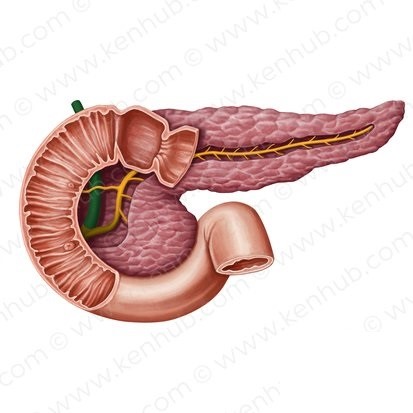
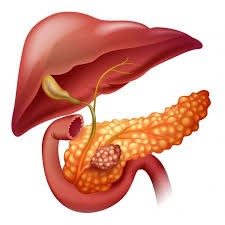
A pancreatic biopsy is a medical procedure performed to obtain a tissue sample from the pancreas for the diagnosis and evaluation of various diseases of this vital organ. The pancreas, located behind the stomach, plays a crucial role in digesting food and regulating blood sugar. Diseases of the pancreas can include inflammation, tumors, and metabolic disorders. This text will examine the details of pancreatic biopsy, its methods, reasons for performing it, complications, and post-procedure care.
What is a Pancreatic Biopsy?
A pancreatic biopsy involves taking a small piece of pancreatic tissue, usually using a needle. This procedure helps physicians assess the condition of the pancreas and diagnose diseases. The biopsy can be performed in two main ways: percutaneous biopsy and transjugular biopsy.
Methods of Performing a Pancreatic Biopsy
1. Percutaneous Biopsy (Through the Skin)
This is the most common type of pancreatic biopsy. In this method, the physician uses a thin needle under local anesthesia to collect a tissue sample from the pancreas through the abdomen. To ensure precision, ultrasound or a CT scan is typically used to guide the needle.
2. Transjugular Biopsy
In this type of biopsy, the needle is inserted into the pancreas through a vein in the neck (jugular vein). This method is usually used in patients who have coagulation disorders or in situations where access to the pancreas through the abdomen is difficult.
3. Laparoscopic Biopsy
This method involves making a small incision in the abdomen and using a camera and surgical instruments to collect a tissue sample. Laparoscopy is usually performed when further investigation is needed or in specific cases. It allows for direct visualization.
(Note: Another common method is Endoscopic Ultrasound-Guided Fine Needle Aspiration (EUS-FNA), where an endoscope with an ultrasound probe is passed through the mouth and stomach to access the pancreas. This is a highly common and precise technique for pancreatic biopsy but was not mentioned in the original text.)
Reasons for Performing a Pancreatic Biopsy
A pancreatic biopsy is used to diagnose and evaluate various types of diseases. Some common reasons for performing this test include:
-
Chronic Inflammation: Such as chronic pancreatitis, which may be caused by alcohol consumption or gallstones.
-
Pancreatic Tumors: Diagnosing malignant (e.g., pancreatic adenocarcinoma) or benign tumors.
-
Metabolic Diseases: Such as type 1 or type 2 diabetes that may affect pancreatic function (less common indication for biopsy).
-
Infections: Diagnosing viral or bacterial infections that may affect the function of the pancreas.
Potential Complications
Although a pancreatic biopsy is considered a safe procedure, it may have some complications:
-
Bleeding: A common complication that may occur after the procedure. The pancreas is a highly vascular organ.
-
Infection: There is a risk of infection at the needle insertion site or within the abdomen (e.g., pancreatitis).
-
Damage to Surrounding Tissues: In rare cases, surrounding tissues (e.g., intestines, blood vessels) may be damaged.
-
Pain: Some patients may experience pain at the biopsy site after the procedure.
-
Pancreatitis: Inflammation of the pancreas is a specific risk of pancreatic biopsy.
-
Leakage: Rare risk of leakage of pancreatic fluids.
Post-Biopsy Care
After the biopsy, the patient should be monitored to ensure no complications have arisen. The following care is recommended:
-
Rest: The patient should rest for a few hours after the procedure.
-
Care of the Needle Insertion Site: The needle insertion site should be kept clean and dry.
-
Avoidance of Strenuous Activity: Strenuous activities should be avoided for several days after the procedure.
-
Monitoring for Abnormal Symptoms: The patient should report any bleeding, fever, severe abdominal pain, nausea, or vomiting to the doctor immediately.
Conclusion
A pancreatic biopsy is an important tool for diagnosing and evaluating pancreatic diseases, providing precise information about the condition of this organ’s tissue. This method helps physicians determine the appropriate treatment based on the type and severity of the disease. Despite potential complications, the benefits of this method in accurate disease diagnosis have made it one of the common procedures in modern medicine.
Finally, consultation with a specialist before undergoing a biopsy is very important so that the patient can obtain sufficient information about the procedure and its potential complications and make more informed decisions. The choice of biopsy technique (percutaneous, EUS-FNA, laparoscopic) depends on the location of the lesion, the patient’s overall health, and available expertise.