Biliary Stent (PTBD)
Percutaneous Transhepatic Biliary Drainage (PTBD) is an important method for treating biliary problems, aimed at facilitating bile flow and reducing complications caused by biliary obstruction. This procedure is particularly used in patients who have developed biliary obstruction due to various reasons, such as tumors, gallstones, or inflammation of the bile ducts. This text will examine the details of the biliary stent PTBD, the procedure, reasons for its use, complications, and post-procedure care.
Anatomy and Function of the Biliary System
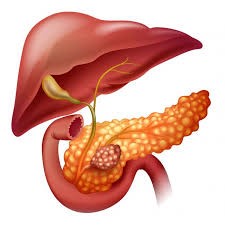
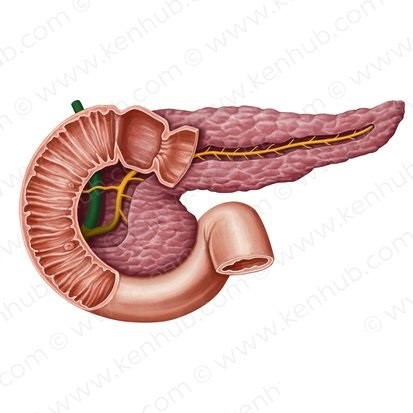
The biliary system includes the liver, gallbladder, and bile ducts, which are responsible for producing and transporting bile to the small intestine for fat digestion. Bile is produced by the liver and stored in the gallbladder. When food enters the small intestine, bile is released to aid in fat digestion. Obstruction in any of these ducts can lead to serious problems such as jaundice, infection, and liver damage.
What is PTBD?
PTBD is a non-surgical procedure performed to drain bile from the liver to the outside of the body or into the small intestine. This procedure is usually performed under image guidance, such as ultrasound or CT scan. The primary goal of PTBD is to reduce pressure in the bile ducts and facilitate the natural flow of bile.
Steps of Performing PTBD
-
Patient Preparation: The patient must undergo necessary evaluations and receive sufficient information about the procedure.
-
Local Anesthesia: The area where the needle will be inserted is prepared with a local anesthetic.
-
Needle Guidance: Using ultrasound or CT scan, the needle is carefully guided into the liver to collect a sample of bile fluid.
-
Stent Placement: After confirming the obstruction, a stent (a thin tube) is placed in the bile duct to facilitate bile flow.
-
Patient Monitoring: The patient is monitored after the procedure to ensure no complications have arisen.
(Note: The description above combines diagnostic cholangiography with therapeutic drainage. The standard PTBD procedure typically involves:
-
Percutaneous puncture of a bile duct under imaging guidance.
-
Injection of contrast medium to map the biliary tree (cholangiogram).
-
Placement of a guidewire through the needle.
-
Dilation of the tract and placement of a drainage catheter over the guidewire.
-
The catheter may be connected to an external drainage bag or internally stented.)
Types of Stents
Various stents are available for PTBD, chosen based on the type of problem and the patient’s needs:
-
Metal Stents: Usually used for long-term obstructions and are more durable (e.g., self-expanding metal stents – SEMS).
-
Plastic Stents: Typically used for temporary obstructions and may require replacement.
Reasons for Using PTBD
PTBD is usually performed under the following conditions:
-
Biliary Duct Obstruction: Caused by tumors, gallstones, or inflammation.
-
Cholestatic Jaundice: Elevated bilirubin levels in the blood due to obstruction.
-
Biliary Tract Infections: Such as cholangitis, which requires immediate drainage.
-
Liver Injury: In cases where rapid fluid drainage is needed.
Potential Complications
Although PTBD is considered a safe procedure, it may have some complications:
-
Infection: Risk of infection at the needle insertion site.
-
Bleeding: A common complication that may occur after the procedure.
-
Damage to Surrounding Tissues: In rare cases, surrounding tissues (e.g., blood vessels, intestines) may be damaged.
-
Pain: Some patients may experience pain after the procedure.
-
Bile Leak: Leakage of bile into the peritoneal cavity.
-
Catheter/Stent Dislodgement or Occlusion: The drainage tube or stent can become blocked or move out of place.
Post-PTBD Care
After PTBD, the patient should be monitored to ensure no complications occur. The following care is recommended:
-
Rest: The patient should rest for a few hours after the procedure.
-
Care of the Needle Insertion Site: The insertion site should be kept clean and dry. The drainage catheter site requires regular nursing care.
-
Avoidance of Strenuous Activity: Strenuous activities should be avoided for a few days after the procedure.
-
Monitoring for Abnormal Symptoms: The patient should report any bleeding, severe pain, fever, chills, or changes in the color/amount of drained bile to the doctor immediately.
-
Catheter Care: If an external drain is placed, patients and caregivers will be taught how to manage and empty the drainage bag.
Conclusion
The biliary stent PTBD is an important tool in treating problems related to the biliary system, providing precise information about the status of bile flow. This method helps physicians determine the appropriate treatment based on the type and severity of the disease. Despite potential complications, the benefits of this method in facilitating natural bile flow have made it one of the most common procedures in modern medicine.
Final Notes
Before undergoing PTBD, consultation with a specialist is crucial so that the patient can obtain sufficient information about the procedure and its potential complications and make more informed decisions. The choice between PTBD and Endoscopic Retrograde Cholangiopancreatography (ERCP) for biliary drainage depends on the specific clinical situation, the level of obstruction, and available expertise.