Ablation of Liver Masses
Liver tumor ablation is a modern, non-surgical treatment method used to destroy liver tumors and other abnormal lesions in this organ. This method is particularly effective for patients who cannot undergo surgery or in cases where liver tumors are small and localized. Ablation can be performed using radiofrequency (RF), microwave, or cryotherapy. This text will examine the details of liver mass ablation, the types of methods, advantages and disadvantages, potential complications, and post-procedure care.
Liver Anatomy and Function
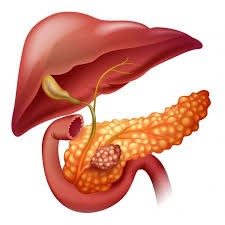
The liver is the body’s largest internal gland and plays a vital role in metabolism, bile production, and blood filtration. This organ is located in the upper right part of the abdomen and has two main parts: the left lobe and the right lobe. The liver acts as a filter, removing waste from the blood. It is also responsible for producing proteins, hormones, and chemicals necessary for digesting food.
Liver Tumors
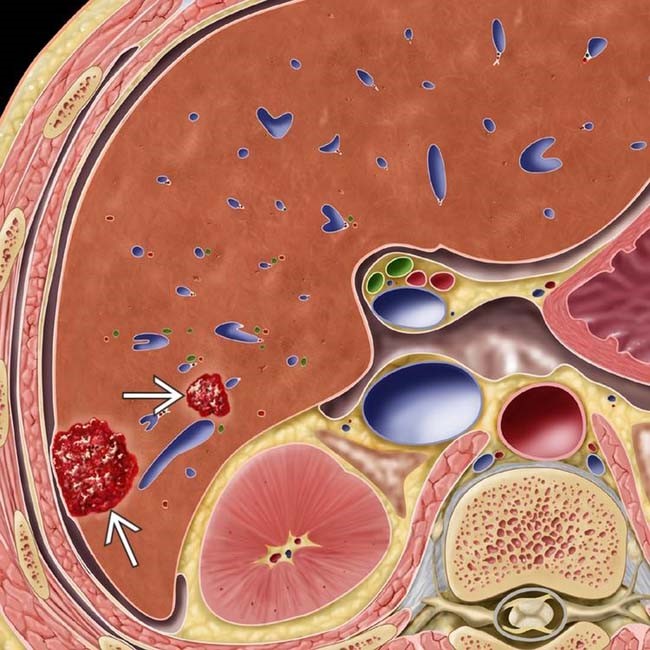
Liver tumors can be divided into two main categories: primary tumors (which start in the liver itself) and secondary tumors (which spread to the liver from other parts of the body). The most common type of primary liver tumor is Hepatocellular Carcinoma (HCC). Risk factors for developing these types of tumors include Hepatitis B and C, cirrhosis, and alcohol consumption.
What is Ablation?
Ablation is a treatment method in which abnormal or cancerous tissue is destroyed using various techniques. The goal of this procedure is to eliminate cancer cells or reduce the size of the tumor without the need for open surgery. Ablation can be performed using various methods:
1. Radiofrequency Ablation (RFA)
This method involves using high-frequency radio waves to generate heat in the tumor area. The generated heat destroys the cancer cells.
Stages of RFA:
-
Patient Preparation: The patient must undergo necessary evaluations before the procedure.
-
Needle Guidance: Using ultrasound or CT scan, a needle is guided into the tumor.
-
Tissue Destruction: Radio waves are transmitted to the needle, generating heat that destroys the cancer cells.
2. Microwave Ablation
This method is similar to RFA but uses microwave energy to generate heat. Microwaves generally have a greater ability to penetrate tissue and may be more effective for larger tumors.
3. Cryotherapy (Cryoablation)
This method involves using extreme cold to freeze cancer cells. A special probe is placed near the tumor site to lower the temperature and cause cell death.
Advantages and Disadvantages of Ablation
Advantages
-
Minimally Invasive: Ablation is typically performed without the need for open surgery.
-
Rapid Recovery: Patients usually return to normal more quickly.
-
Reduced Complications: The risk of complications from surgery is lower.
-
Applicability in Non-Surgical Patients: Ablation is a suitable option for patients who cannot undergo surgery.
Disadvantages
-
Lack of Absolute Certainty: Ablation may not be able to destroy all cancer cells.
-
Risk of Recurrence: There is a possibility of tumor recurrence after treatment.
-
Need for Follow-up: Patients must be monitored by a doctor to identify any recurrence or complications.
Potential Complications
Although ablation is considered a safe procedure, it may have some complications:
-
Pain: Some patients may experience pain after the procedure.
-
Infection: There is a risk of infection at the needle entry site.
-
Bleeding: A common complication that may occur after the procedure.
-
Damage to Surrounding Tissues: In rare cases, surrounding tissues may be damaged.
Post-Ablation Care
After ablation, the patient should be monitored to ensure no complications have arisen. The following care is recommended:
-
Rest: The patient should rest for a few hours after the procedure.
-
Care of the Needle Entry Site: The needle entry site should be kept clean and dry.
-
Avoidance of Strenuous Activity: Strenuous activities should be avoided for a few days after the procedure.
-
Monitoring for Abnormal Symptoms: The patient should report any bleeding or unusual pain to the doctor.
Conclusion
Ablation of liver masses is an important tool in the treatment of liver cancer and other abnormal lesions of this organ, providing precise information about the tissue’s condition. This method helps physicians determine the appropriate treatment based on the type and severity of the disease. Despite potential complications, the benefits of this method in facilitating cancer treatment have made it one of the most common procedures in modern medicine.
Final Notes
Before undergoing ablation, consultation with a specialist is crucial so that the patient can obtain sufficient information about the procedure and potential complications and make more informed decisions.