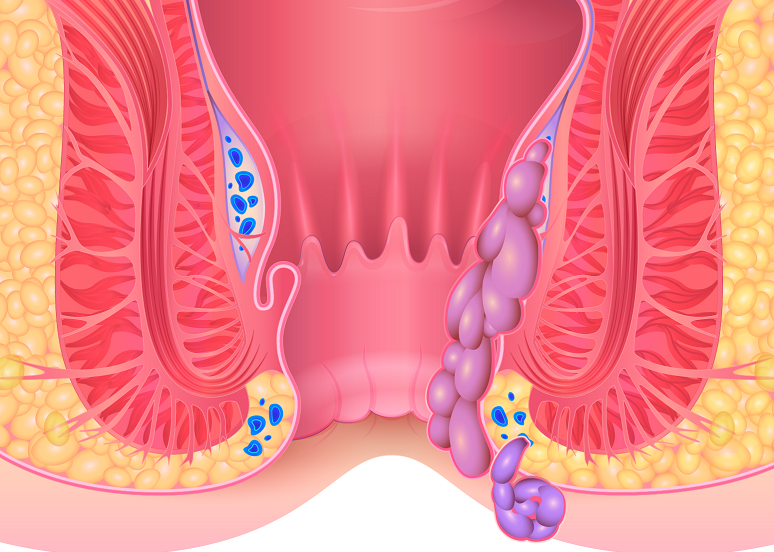
Hemorrhoid Treatment by Embolization
Hemorrhoids, also known as piles, are a condition in which the blood vessels in the anal area become swollen and inflamed. This condition can cause pain, bleeding, and significant discomfort. Various methods exist for treating hemorrhoids, including home remedies, medication, and surgery. Embolization is a modern, minimally invasive method for treating hemorrhoids. This article will detail this procedure, its steps, advantages, and disadvantages.
What are Hemorrhoids?
Hemorrhoids refer to the swelling and inflammation of blood vessels in the anal region. This condition can be divided into two types:
-
Internal Hemorrhoids: These are located inside the rectum and are usually painless. Bleeding is the most common symptom of this type.
-
External Hemorrhoids: These are located under the skin around the anus and can be painful. Symptoms include itching, pain, and swelling.
Causes of Hemorrhoids
Several factors can lead to the development of hemorrhoids:
-
Chronic Constipation: Excessive straining during bowel movements.
-
Pregnancy: Increased pressure on the blood vessels in the anal area.
-
Obesity: Excess weight leads to greater pressure on the veins.
-
Prolonged Sitting: Especially on the toilet.
What is Embolization?
Embolization is a non-surgical interventional procedure in which specific blood vessels are blocked. This method is typically used to control bleeding, reduce blood flow to tumors, or treat vascular abnormalities.
Mechanism of Action
In embolization, the physician uses a catheter (a thin tube) to inject specific materials, such as metal coils or polymer particles, into the target vessels. These materials block the blood flow in the specific vessels, disrupting their function.
Applications of Embolization
Embolization is used to treat the following:
-
Control of Internal Bleeding: Such as bleeding from wounds or trauma.
-
Hemorrhoid Treatment: Reducing blood flow to the swollen vessels.
-
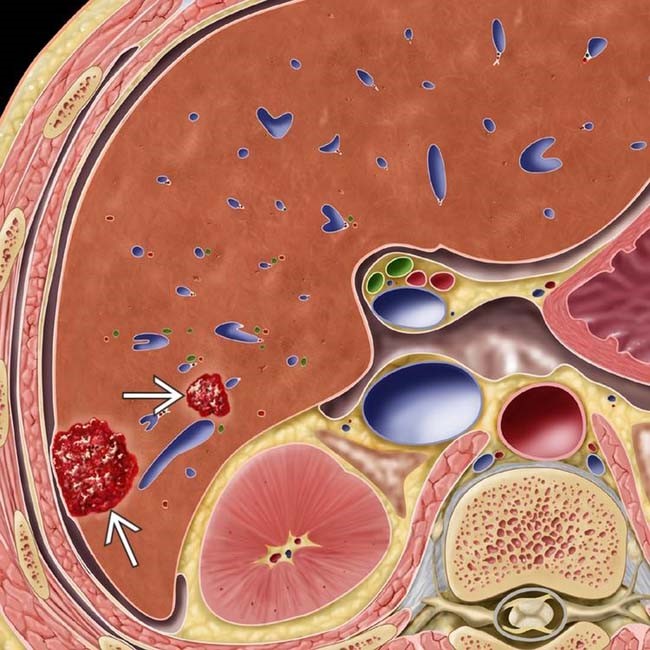
Tumor Treatment: Reducing blood flow to tumors like Hepatocellular Carcinoma (HCC).
-
Arteriovenous Malformations (AVM): Correcting abnormal blood flow between arteries and veins.
Steps of Performing Embolization for Hemorrhoid Treatment
-
Patient Preparation: The patient must undergo necessary evaluations and receive sufficient information about the procedure.
-
Local Anesthesia: The area to be treated is prepared with a local anesthetic.
-
Catheter Placement: Guided by imaging (such as CT scan or fluoroscopy), the physician inserts the catheter into the blood vessel.
-
Injection of Embolic Materials: Specific materials like coils or polymer particles are injected through the catheter to cut off blood flow to the damaged vessels.
-
Patient Monitoring: The patient is monitored after the procedure to ensure no complications have arisen.
Advantages and Disadvantages of Embolization
Advantages
-
Non-Invasive Method: Does not require open surgery.
-
Short Recovery Period: Patients usually return to normal more quickly.
-
Reduced Pain and Discomfort: Many patients feel more comfortable after the procedure.
-
High Success Rate: The percentage of success in controlling hemorrhoid symptoms with this method is high.
Disadvantages
-
Possible Side Effects: Like any other medical procedure, embolization may be associated with side effects.
-
Risk of Recurrence: Some patients may experience a recurrence of hemorrhoids after treatment.
-
Need for Advanced Equipment: This method requires advanced imaging equipment and a high level of physician expertise.
Potential Complications of Embolization
Although embolization is considered a safe procedure, it may have some complications:
-
Re-bleeding: If the embolic materials cannot completely block the vessels.
-
Infection: There is a risk of infection at the catheter insertion site.
-
Damage to Surrounding Tissues: In rare cases, surrounding tissues may be damaged.
-
Post-Procedural Pain: Some patients may experience pain after the procedure.
Post-Embolization Care
After embolization, the patient should be monitored to ensure no complications occur. The following care is recommended:
-
Adequate Rest: The patient should rest for a few hours after the procedure.
-
Vital Sign Monitoring: Blood pressure and pulse should be checked regularly.
-
Avoidance of Strenuous Activity: Strenuous activity should be limited for a few days after the procedure.
-
Monitoring for Abnormal Symptoms: Any severe pain, fever, or signs of bleeding should be reported immediately.
Conclusion
Embolization is an effective and minimally invasive method for treating hemorrhoids that relieves symptoms by reducing blood flow to the swollen vessels. Given its numerous advantages, this method is a suitable option for patients who cannot undergo surgery or are seeking non-surgical solutions.