Liver Biopsy
A liver biopsy is a medical procedure used to diagnose and evaluate liver diseases. It allows physicians to collect a small sample of liver tissue for detailed laboratory analysis. In this text, we will discuss liver biopsy in detail, including the methods, indications, possible complications, and post-procedure care.
What is a Liver Biopsy?
A liver biopsy refers to the removal of a small piece of liver tissue, usually using a needle. This sample helps doctors assess the condition of the liver and diagnose diseases such as inflammation, infection, fibrosis, or cancer. Liver biopsy is often performed when blood tests or imaging results suggest a liver problem.
Methods of Performing a Liver Biopsy
- Percutaneous biopsy
- The most common type of liver biopsy. A thin needle is inserted through the abdomen into the liver.
- Usually performed under local anesthesia.
- Imaging techniques such as ultrasound or CT scan are used to guide the needle precisely.
- Transjugular biopsy
- The needle is inserted through a vein in the neck (jugular vein) to access the liver.
- This method is generally used in patients with blood clotting problems or when direct access through the abdomen is difficult.
- Laparoscopic biopsy
- Involves a small incision in the abdomen, using a camera and surgical instruments to obtain the tissue sample.
- Typically performed in special cases when further examination is required.
Indications for Liver Biopsy
Liver biopsy is used to diagnose and assess a wide range of conditions, including:
- Chronic inflammation: such as viral hepatitis B or C.
- Metabolic disorders: e.g., hemochromatosis (iron overload), Wilson’s disease (copper accumulation).
- Alcohol-related liver disease.
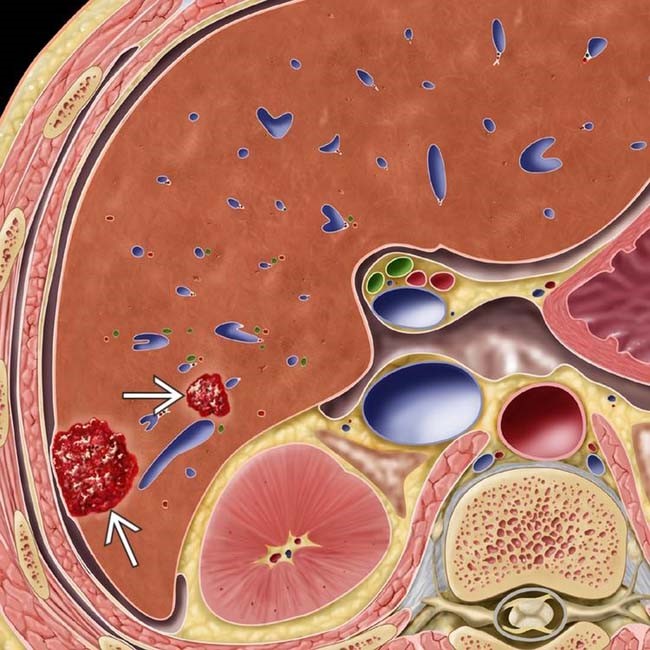
- Cancer: to detect liver tumors.
- Fibrosis and cirrhosis: to determine the extent of liver damage and disease progression.
Possible Complications
Although generally safe, liver biopsy may sometimes cause complications such as:
- Bleeding: one of the most common risks after the procedure.
- Infection: at the needle insertion site.
- Injury to nearby organs or tissues: rare but possible.
- Pain: some patients experience discomfort or pain after the procedure.
Post-Biopsy Care
After the procedure, patients should be closely monitored to ensure no complications develop. Recommended care includes:
- Rest: The patient should rest for a few hours after the procedure.
- Needle site care: The puncture site should be kept clean and dry.
- Avoid strenuous activity: Heavy physical activities should be avoided for several days.
- Watch for abnormal symptoms: Any unusual bleeding or persistent pain should be reported to the physician immediately.
Conclusion
Liver biopsy is an essential tool for diagnosing and assessing liver diseases, providing detailed information about the condition of liver tissue. It helps physicians determine the most appropriate treatment based on the type and severity of the disease. Despite the potential risks, its diagnostic value makes it one of the most widely used techniques in modern medicine.
Ultimately, consultation with a specialist before undergoing a liver biopsy is crucial. This ensures that patients are well-informed about the procedure, possible risks, and can make more confident, informed decisions.