Obesity Treatment and Appetite Vessel Embolization
Obesity is one of the major health challenges in today’s world and is recognized as a risk factor for many diseases. With weight gain and obesity, the risk of developing heart disease, type 2 diabetes, high blood pressure, and certain cancers also increases. In recent years, various methods for obesity treatment have been developed, one of which is appetite vessel embolization, performed through interventional radiology. This method specifically targets hunger control and weight reduction. In this article, we will review the details of this procedure, its steps, advantages and disadvantages, and the necessary post-treatment care.
Obesity and Its Health Effects
Obesity is defined as an abnormal or excessive accumulation of fat in the body that can lead to serious health problems. Multiple factors such as poor diet, lack of physical activity, genetic predisposition, and environmental influences contribute to obesity.
Potential complications of obesity include:
- Cardiovascular disease: Increased risk of heart disease and stroke.
- Type 2 diabetes: Insulin resistance and elevated blood sugar.
- Hypertension: Extra strain on the heart and blood vessels.
- Joint problems: Additional stress on joints.
What is Interventional Radiology?
Interventional radiology is a branch of radiology that uses imaging techniques to perform minimally invasive diagnostic and therapeutic procedures. These include the use of catheters, needles, and specialized tools, minimizing damage to surrounding tissues.
Advantages of interventional radiology:
- Minimally invasive: No need for open surgery.
- Shorter recovery time: Patients usually return to normal activities faster.
- Reduced complications: Lower risk compared to surgical procedures.
- High precision: Imaging guidance ensures accurate treatment.
Appetite Vessel Embolization
Definition
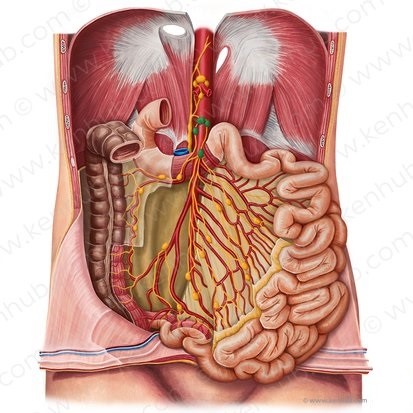
Appetite vessel embolization (also known as gastric artery embolization) is a novel treatment designed to reduce hunger and support weight control. This procedure involves blocking the blood vessels that supply the stomach. By reducing blood flow, the production of ghrelin (the “hunger hormone”) decreases, leading to reduced appetite.
Mechanism of Action
During the procedure, the physician inserts a catheter and injects an embolic agent (such as polymer particles or coils) into the blood vessels supplying the stomach. These agents block the arteries, thereby lowering blood flow. As a result, ghrelin production decreases and hunger sensations are reduced.
Steps of the Procedure
- Patient preparation: Pre-procedure evaluation and patient counseling.
- Local anesthesia: The catheter insertion site is numbed.
- Catheter placement: Under imaging guidance (CT scan or fluoroscopy), a catheter is advanced into the gastric arteries.
- Injection of embolic agents: Special embolic materials are injected to block blood flow to the stomach.
- Monitoring: The patient is observed after the procedure to detect any complications.
Benefits and Drawbacks of Appetite Vessel Embolization
Benefits
- Reduced hunger: By lowering ghrelin levels, appetite is significantly decreased.
- Minimally invasive: No open surgery required, with faster recovery.
- Effective weight loss: Many patients report noticeable weight reduction after treatment.
Drawbacks
- Possible side effects: As with any medical procedure, risks exist.
- Weight regain: Some patients may experience weight increase after some time.
- Need for follow-up: Continuous medical monitoring is required to ensure long-term success.
Potential Complications
Although considered safe, gastric artery embolization may lead to some complications, such as:
- Post-procedure pain
- Infection at the catheter insertion site
- Re-bleeding if the embolization is incomplete
- Damage to nearby tissues (rare)
Post-treatment Care
After the procedure, patients should be closely monitored. Recommended care includes:
- Adequate rest for several hours post-procedure.
- Monitoring vital signs such as blood pressure and pulse.
- Avoiding strenuous activity for several days.
- Reporting unusual symptoms such as severe pain, fever, or bleeding immediately.
Conclusion
Obesity treatment through appetite vessel embolization using interventional radiology is an effective and minimally invasive approach to weight control and appetite reduction. Given its multiple advantages, it represents a promising option for patients who are not candidates for surgery or who prefer non-surgical alternatives.