Retroperitoneal Biopsy
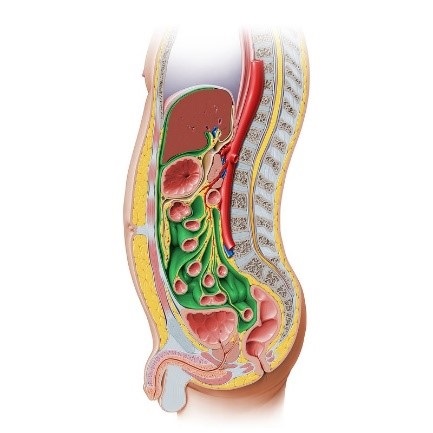
A retroperitoneal biopsy is a medical procedure performed to obtain a tissue sample from the retroperitoneal space (the area behind the abdominal cavity) for the diagnosis and evaluation of diseases. This region contains important structures such as the kidneys, adrenal glands, major blood vessels, and lymphatic tissues. A retroperitoneal biopsy helps physicians obtain accurate information about the presence of tumors, infections, and other disorders in this area. This text will examine the details of retroperitoneal biopsy, its methods, reasons for performing it, complications, and post-procedure care.
Anatomy and Importance of the Retroperitoneal Region
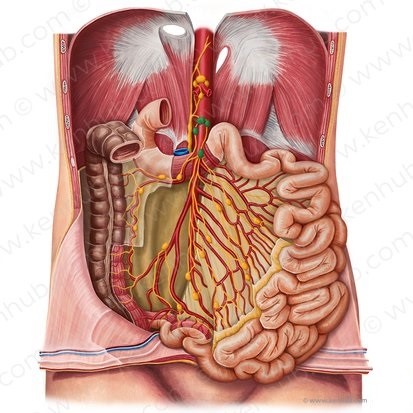
The retroperitoneal space is located behind the abdominal cavity and contains several key structures:
-
Kidneys: Responsible for filtering blood and producing urine.
-
Adrenal Glands: Produce hormones such as adrenaline and cortisol.
-
Major Blood Vessels: Include the aorta and inferior vena cava.
-
Lymphatic Tissues: Play an important role in the body’s immune system.
Disorders in any of these structures can lead to serious health problems.
What is a Retroperitoneal Biopsy?
A retroperitoneal biopsy involves obtaining a tissue sample from the retroperitoneal space. This procedure is usually performed under image guidance to increase accuracy. Using this technique, physicians can identify the presence of tumors, infections, or other diseases.
Methods of Performing Retroperitoneal Biopsy
1. Percutaneous Biopsy (Through the Skin)
This is the most common type of biopsy for obtaining samples from retroperitoneal tissues. In this method, the physician uses a thin needle under local anesthesia to collect a tissue sample. To ensure precision, ultrasound or CT scan is typically used to guide the needle.
Steps of a Percutaneous Biopsy:
-
Patient Preparation: The patient must receive necessary information and undergo preliminary tests before the procedure.
-
Local Anesthesia: The physician prepares the target area with a local anesthetic.
-
Needle Guidance: Using ultrasound or CT scan, the needle is carefully guided to the desired location.
-
Sample Collection: The physician collects a tissue sample and sends it to the laboratory for analysis.
2. Laparoscopy
In some cases, a retroperitoneal biopsy may be performed via laparoscopy. In this method, a small incision is made in the abdomen, and a camera called a laparoscope is inserted into the abdominal cavity. Using this camera and surgical instruments, the physician collects a tissue sample.
Advantages of Laparoscopy:
-
High Precision: Allows direct visualization of the target area.
-
Fewer Complications: A smaller incision leads to reduced surgical complications.
-
Faster Recovery: Patients typically return to normal more quickly.
Reasons for Performing a Retroperitoneal Biopsy
A retroperitoneal biopsy is used to diagnose and evaluate various types of diseases. Some common reasons for performing this test include:
-
Benign or Malignant Tumors: Diagnosing the presence of cancerous or non-cancerous tumors in the retroperitoneal space.
-
Infections: Such as viral or bacterial infections that may affect the function of internal organs.
-
Enlarged Lymph Nodes: Investigating the causes of enlarged lymph nodes in the abdominal area.
-
Metabolic Disorders: Such as kidney diseases that require evaluation of blood cell conditions.
Potential Complications
Although a retroperitoneal biopsy is considered a safe procedure, it may have some complications:
-
Bleeding: A common complication that may occur after the procedure.
-
Infection: There is a risk of infection at the needle insertion site.
-
Damage to Surrounding Tissues: In rare cases, surrounding tissues may be damaged.
-
Pain: Some patients may experience pain after the procedure.
Post-Biopsy Care
After the biopsy, the patient should be monitored to ensure no complications have arisen. The following care is recommended:
-
Rest: The patient should rest for a few hours after the procedure.
-
Care of the Needle Insertion Site: The needle insertion site should be kept clean and dry.
-
Avoidance of Strenuous Activity: Strenuous activities should be avoided for a few days after the procedure.
-
Monitoring for Abnormal Symptoms: The patient should report any bleeding or unusual pain to the doctor.
Conclusion
A retroperitoneal biopsy is an important tool for diagnosing and evaluating diseases related to the internal organs of the abdomen, providing precise information about the tissue’s condition. This method helps physicians determine the appropriate treatment based on the type and severity of the disease. Despite potential complications, the benefits of this method in accurate disease diagnosis have made it one of the most common procedures in modern medicine.
Final Notes
Before undergoing a retroperitoneal biopsy, consultation with a specialist is crucial so that the patient can obtain sufficient information about the procedure and potential complications and make more informed decisions.