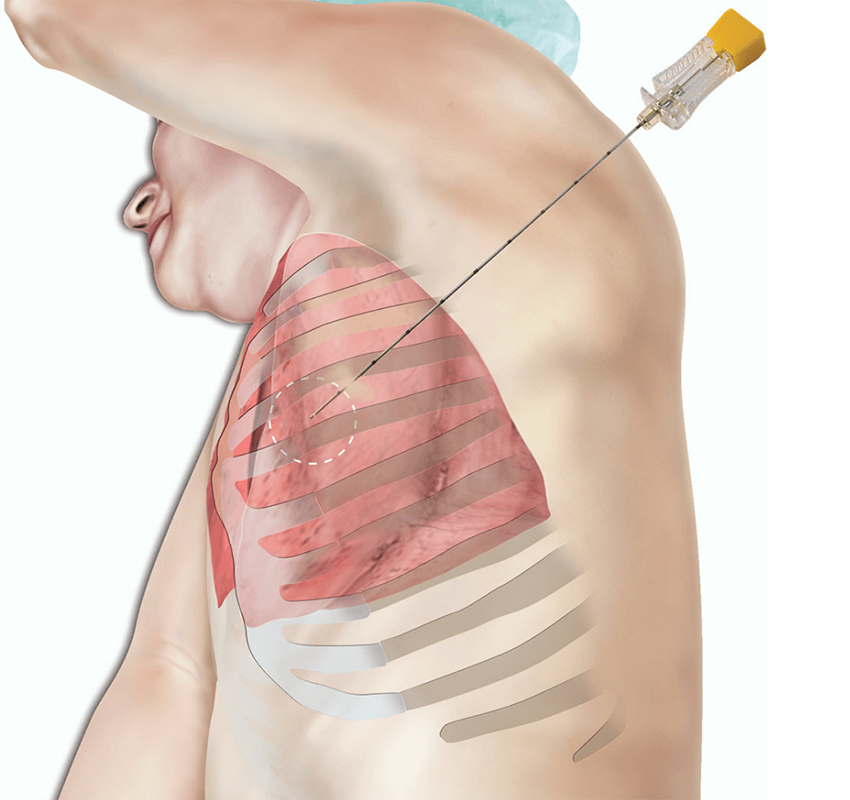
Lung Biopsy: A Diagnostic and Therapeutic Procedure with the Aid of Interventional Radiology
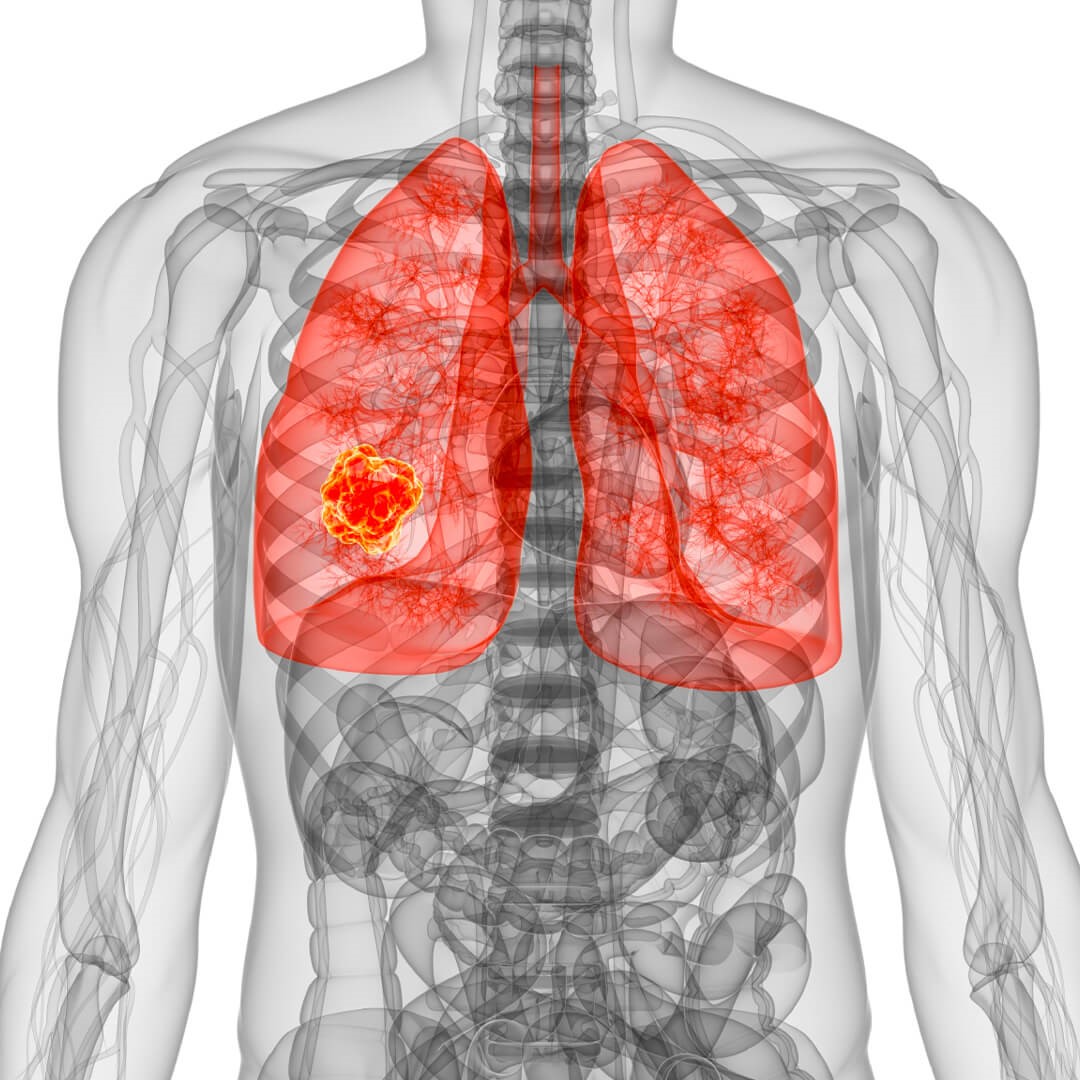
A lung biopsy is a critical diagnostic procedure used to examine lung tissue and diagnose respiratory diseases. It is particularly valuable when non-invasive tests, such as imaging (e.g., CT scans or X-rays) or laboratory tests, fail to provide a definitive diagnosis. Lung biopsy can help diagnose conditions such as lung cancer, pulmonary infections, inflammatory lung diseases, and pulmonary fibrosis. This procedure is often performed with the assistance of interventional radiology techniques, playing a significant role in the diagnosis and treatment of lung diseases. In this article, we will thoroughly explore lung biopsy, its procedure, advantages, disadvantages, and the role of interventional radiology.
—
### What is a Lung Biopsy?
A lung biopsy is a diagnostic procedure in which a small sample of lung tissue is collected for microscopic examination and pathological analysis. This sample can be obtained through various methods, including needle biopsy, bronchoscopic biopsy, or surgical biopsy. A lung biopsy aids in accurately diagnosing lung diseases, determining their severity, and planning appropriate treatment.
—
### The Role of Interventional Radiology in Lung Biopsy
Interventional radiology is a medical specialty that uses imaging techniques to guide minimally invasive diagnostic and therapeutic procedures. In a lung biopsy, an interventional radiologist employs advanced imaging methods, such as CT scans or fluoroscopy, to precisely guide the procedure. This imaging guidance ensures that the biopsy is performed accurately and safely, minimizing the risk of damage to surrounding tissues.
—
### Lung Biopsy Procedure
A lung biopsy is typically performed in an operating room or an interventional radiology unit, and the steps are as follows:
1. **Patient Preparation**:
The patient is positioned on an examination table. Local anesthesia is typically used to reduce pain and discomfort. In some cases, particularly for children or anxious patients, mild sedation may also be administered.
2. **Imaging Guidance**:
The interventional radiologist uses a CT scan or fluoroscopy to precisely locate the lung lesion. This imaging helps the physician plan the path for the biopsy needle or tool accurately.
3. **Sample Collection**:
A specialized biopsy needle, often a core needle, is guided through the skin and soft tissues toward the lung lesion. This step is performed under imaging guidance to ensure precision and safety.
4. **Procedure Completion**:
After collecting the sample, the needle is removed, and the insertion site is bandaged. The sample is sent to a pathology laboratory for analysis. The entire procedure typically takes 30 to 60 minutes.
—
### Advantages of Lung Biopsy with Interventional Radiology
Lung biopsy with the aid of interventional radiology offers several advantages over traditional methods, including:
1. **High Accuracy**:
Imaging guidance ensures precise and safe sample collection, minimizing the risk of damage to surrounding tissues.
2. **Reduced Pain and Discomfort**:
This minimally invasive method significantly reduces patient pain and discomfort.
3. **Short Recovery Time**:
Patients can typically resume normal activities within a few hours after the procedure.
4. **Accurate Diagnosis**:
Lung biopsy enables precise diagnosis of lung diseases and determination of disease severity, which is crucial for treatment planning.
5. **Reduced Surgical Risks**:
Traditional surgical procedures may carry risks such as infection, bleeding, or damage to surrounding tissues. Interventional radiology-guided biopsy minimizes these risks.
—
### Disadvantages and Limitations of Lung Biopsy
Despite its numerous advantages, lung biopsy may have some disadvantages and limitations, including:
1. **Need for High Expertise**:
The success of this procedure heavily relies on the interventional radiologist’s skill and advanced equipment.
2. **Potential Complications**:
Possible side effects include bleeding, temporary pain at the insertion site, infection, or pneumothorax (air accumulation in the pleural space). In rare cases, damage to the lung or surrounding organs may occur.
3. **Sample Size Limitations**:
In some cases, the collected sample may not be sufficient for a definitive diagnosis, requiring a repeat biopsy.
—
### Uses of Lung Biopsy
Lung biopsy is typically used in the following cases:
1. **Lung Cancer Diagnosis**:
When lung tumors are suspected to be malignant, a biopsy can provide a definitive diagnosis.
2. **Evaluation of Pulmonary Infections**:
For infections that do not respond to standard treatments, a biopsy can help identify the causative agent.
3. **Diagnosis of Inflammatory Lung Diseases**:
Conditions such as sarcoidosis or pulmonary fibrosis can be diagnosed through biopsy.
4. **Monitoring Treatment Response**:
In patients undergoing treatment for lung diseases, a biopsy can assess treatment response and determine if changes to the treatment plan are needed.
—
### Post-Biopsy Care for Lung Biopsy
After a lung biopsy, patients require specific care to ensure optimal recovery. These include:
1. **Short-Term Rest**:
Patients typically need a few hours of rest after the procedure but can often return home the same day.
2. **Monitoring for Symptoms**:
If symptoms such as severe pain, blood in urine, fever, or shortness of breath occur, the patient should seek medical attention immediately.
3. **Avoiding Strenuous Activities**:
Patients should refrain from intense activities that could cause bleeding or lung injury.
4. **Medical Follow-Up**:
Regular follow-up tests and consultations with the physician are essential to evaluate biopsy results and plan treatment.
—
### Conclusion
Lung biopsy, as a minimally invasive and accurate diagnostic method, plays a vital role in the diagnosis and treatment of lung diseases. With the assistance of interventional radiology and imaging guidance, this procedure significantly enhances precision and safety. However, the decision to perform a lung biopsy should be made based on the patient’s condition, the type of disease, and the recommendation of a specialist physician. Interventional radiology, with its precise imaging guidance, plays a key role in the success of this procedure, enabling patients to receive better diagnosis and treatment.