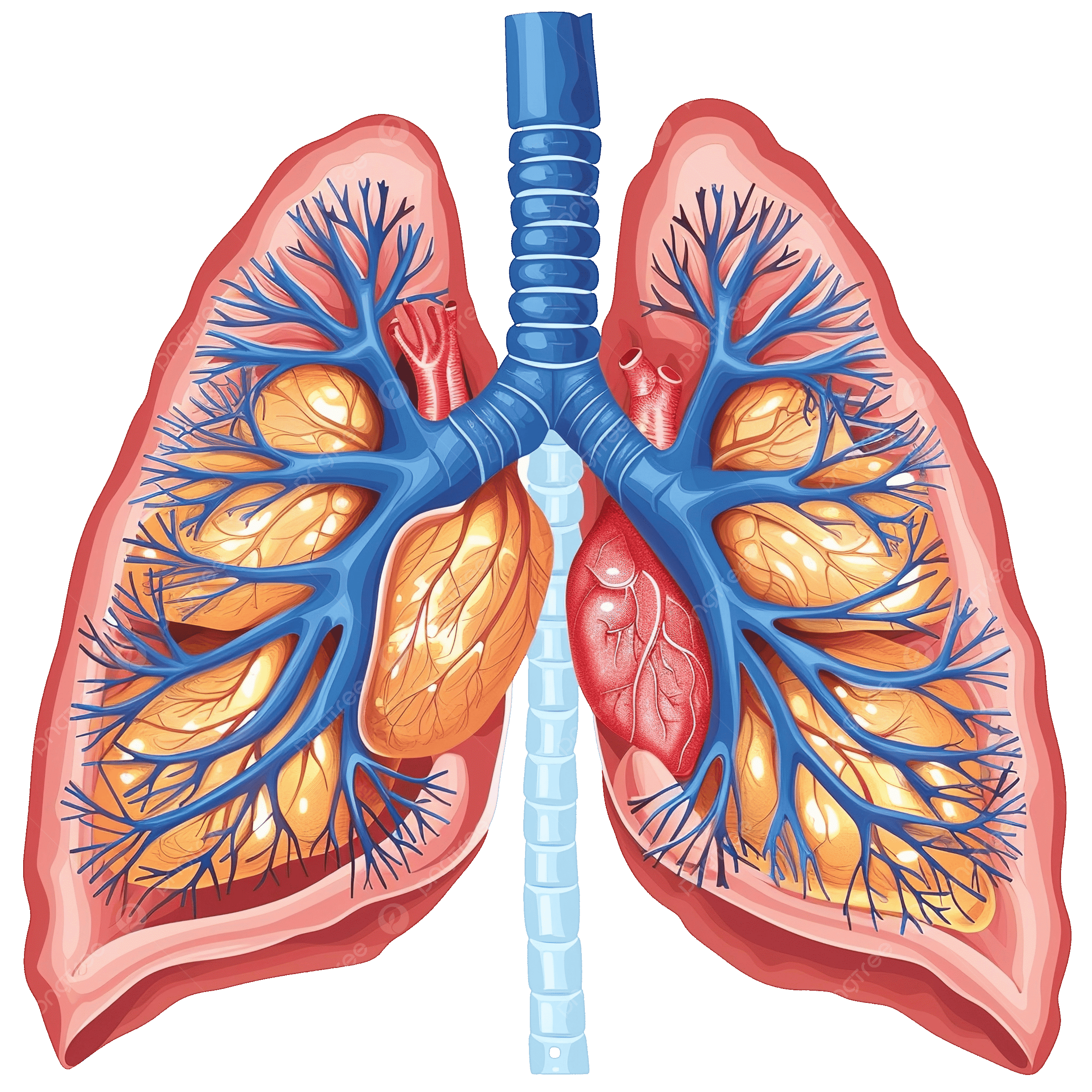
Pulmonary Lesion Ablation: A Modern Treatment with the Aid of Interventional Radiology
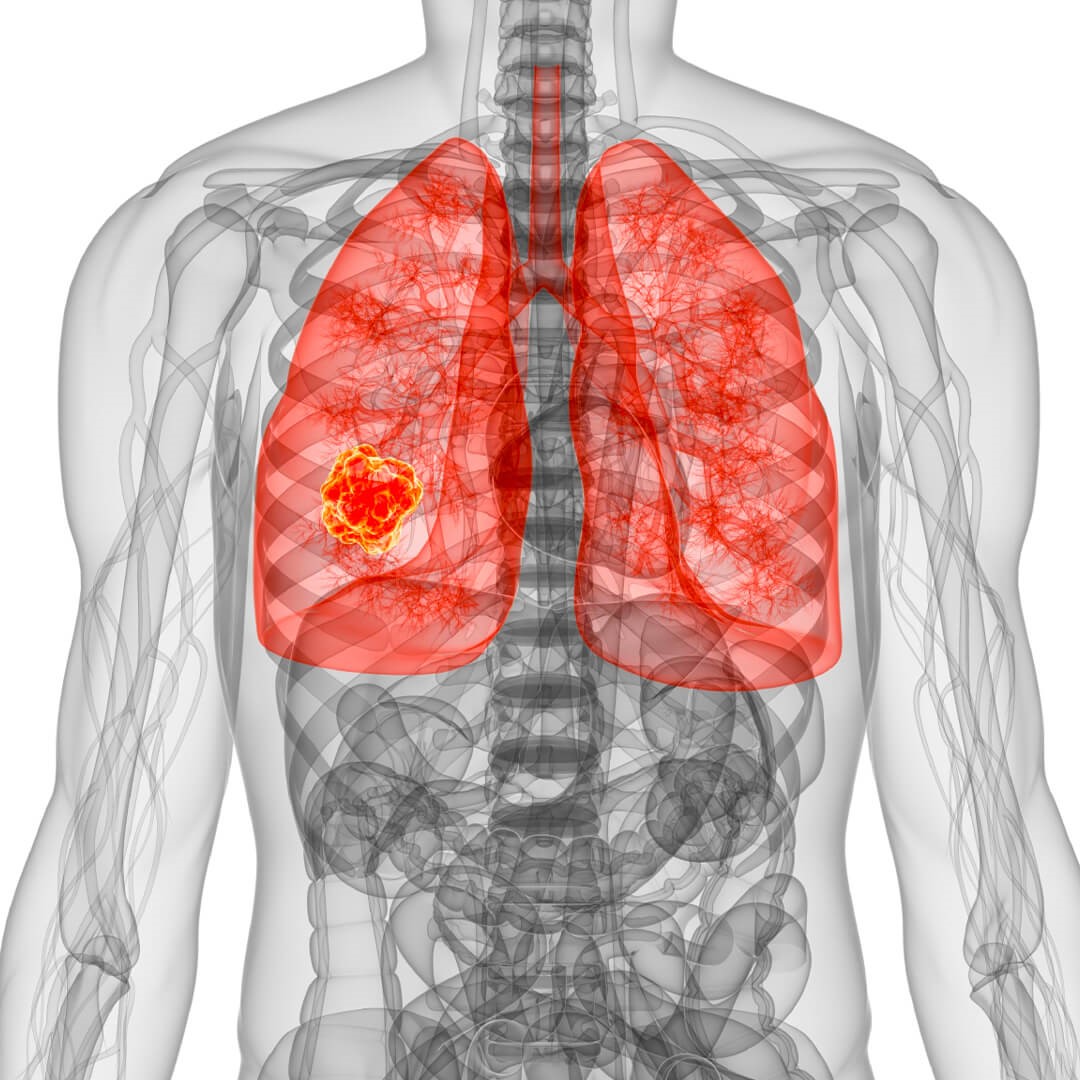
Pulmonary lesions, including benign and malignant tumors, can pose significant challenges in patient treatment. In cases where traditional surgery is not feasible due to the patient’s condition or the tumor’s location, minimally invasive methods like ablation have emerged as effective alternatives. Pulmonary lesion ablation is a treatment method that destroys cancerous or abnormal tissue in the lungs using heat, extreme cold, or radiofrequency waves. This procedure is performed with the assistance of interventional radiology techniques and plays a crucial role in treating patients with pulmonary lesions. In this article, we will thoroughly explore pulmonary lesion ablation, its methods, advantages, disadvantages, and the role of interventional radiology in this treatment.
—
### What is Pulmonary Lesion Ablation?
Pulmonary lesion ablation is a minimally invasive procedure that eliminates cancerous cells or abnormal lung tissue using thermal energy, extreme cold, or radiofrequency waves. It is typically used for patients who are not suitable candidates for traditional surgery due to medical conditions, advanced age, or the tumor’s location. Ablation can be performed alone or in combination with other treatments, such as chemotherapy or radiotherapy.
—
### The Role of Interventional Radiology in Pulmonary Lesion Ablation
Interventional radiology is a medical specialty that utilizes imaging techniques to guide minimally invasive diagnostic and therapeutic procedures. In pulmonary lesion ablation, an interventional radiologist uses advanced imaging methods, such as CT scans or fluoroscopy, to precisely guide the procedure. This imaging guidance ensures that the energy is accurately and safely delivered to the target lesion, minimizing damage to surrounding healthy tissues.
—
### Methods of Pulmonary Lesion Ablation
Pulmonary lesion ablation can be performed using various techniques, each with its own advantages and disadvantages. The three main ablation methods are Radiofrequency Ablation (RFA), Cryoablation, and Microwave Ablation (MWA).
1. **Radiofrequency Ablation (RFA)**:
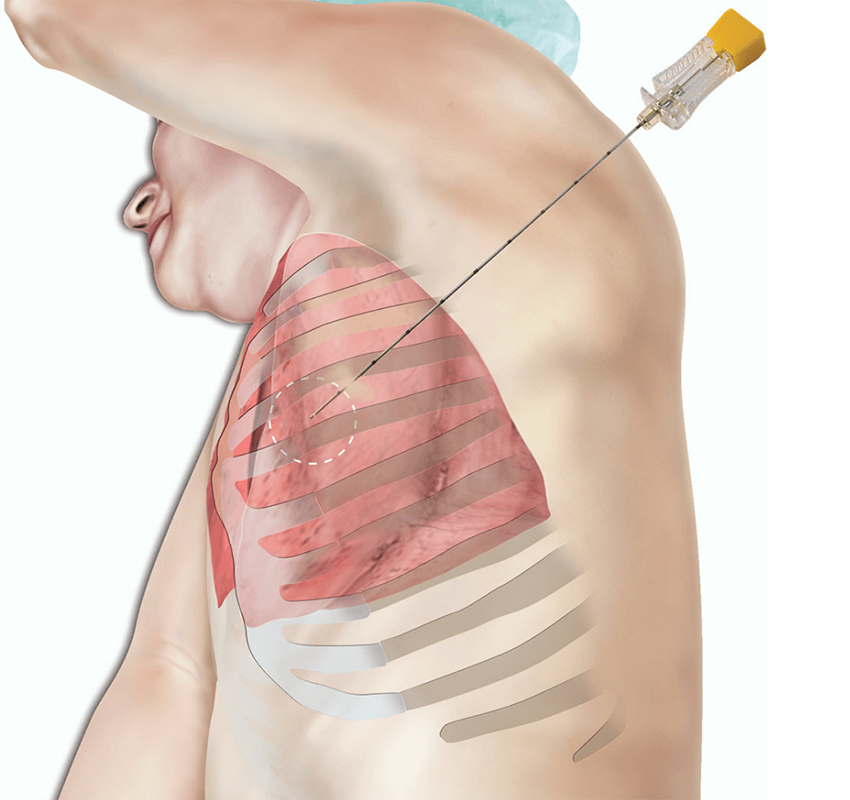
In this method, high-frequency radiofrequency waves are used to generate heat and destroy tumor tissue. A thin probe is inserted through the skin into the pulmonary lesion, and radiofrequency waves heat and eliminate cancerous cells.
2. **Cryoablation**:
This method uses extreme cold to freeze and destroy tumor tissue. Specialized probes containing cooling gases are inserted into the pulmonary lesion, creating very low temperatures to eliminate cancerous cells.
3. **Microwave Ablation (MWA)**:
In this method, microwave energy is used to generate heat and destroy tumor tissue. Similar to RFA, MWA involves a probe, but microwaves can produce higher heat, making it suitable for larger tumors.
—
### Pulmonary Lesion Ablation Procedure
Pulmonary lesion ablation is typically performed in an operating room or an interventional radiology unit, and the steps are as follows:
1. **Patient Preparation**:
The patient is positioned on an examination table. Local anesthesia or mild sedation may be used to reduce pain and discomfort.
2. **Imaging Guidance**:
The interventional radiologist uses a CT scan or fluoroscopy to precisely locate the pulmonary lesion. This imaging helps the physician plan the probe’s entry path accurately.
3. **Probe Insertion**:
A thin probe is guided through the skin and soft tissues into the pulmonary lesion. This step is performed under imaging guidance to ensure precision and safety.
4. **Ablation Process**:
Depending on the method used (RFA, Cryoablation, or MWA), energy is applied to the lesion to destroy cancerous cells.
5. **Procedure Completion**:
Once the lesion is fully treated, the probe is removed, and the insertion site is bandaged. The entire procedure typically takes 1 to 2 hours.
—
### Advantages of Pulmonary Lesion Ablation
As a minimally invasive method, pulmonary lesion ablation offers several advantages over traditional surgery, including:
1. **Reduced Pain and Discomfort**:
This minimally invasive procedure significantly reduces patient pain and discomfort.
2. **Short Recovery Time**:
Patients can typically resume normal activities within a few days after the procedure.
3. **Preservation of Healthy Lung Tissue**:
Only the tumor tissue is targeted, preserving as much healthy lung tissue as possible.
4. **Reduced Surgical Risks**:
Traditional surgeries may carry risks such as infection, bleeding, or damage to surrounding tissues. Ablation minimizes these risks due to its minimally invasive nature.
5. **Suitability for High-Risk Patients**:
Patients who cannot tolerate major surgery due to advanced age or underlying medical conditions can benefit from this method.
—
### Disadvantages and Limitations of Pulmonary Lesion Ablation
Despite its numerous advantages, pulmonary lesion ablation may have some disadvantages and limitations, including:
1. **Tumor Size Limitation**:
Ablation is typically suitable for small tumors (usually less than 3 to 4 cm). Larger tumors may require alternative treatments.
2. **Risk of Tumor Recurrence**:
In some cases, the tumor may not be completely eradicated, necessitating repeat ablation or other treatments.
3. **Dependence on Technology**:
The success of ablation relies heavily on the physician’s skill and the availability of advanced equipment. Inaccurate application may damage healthy surrounding tissues.
—
### Uses of Pulmonary Lesion Ablation
Pulmonary lesion ablation is typically used in the following cases:
1. **Small Lung Tumors**:
For tumors smaller than 3 to 4 cm, ablation is a suitable option.
2. **High-Risk Patients**:
Patients who cannot tolerate major surgery due to advanced age, underlying conditions, or reduced lung function can benefit from this method.
3. **Multiple Tumors**:
When a patient has multiple small tumors in the lungs, ablation can be an effective treatment option.
—
### Post-Ablation Care for Pulmonary Lesions
After pulmonary lesion ablation, patients require specific care to ensure optimal recovery. These include:
1. **Short-Term Rest**:
Patients typically need a few hours of rest after the procedure but can often return home the same day.
2. **Monitoring for Symptoms**:
If symptoms such as severe pain, fever, or shortness of breath occur, the patient should seek medical attention immediately.
3. **Medical Follow-Up**:
Regular imaging tests (e.g., CT scans or MRIs) are essential to evaluate the tumor’s response to treatment.
4. **Complementary Treatments**:
In some cases, combining ablation with other treatments, such as chemotherapy or radiotherapy, may be necessary.
—
### Conclusion
Pulmonary lesion ablation has become an important minimally invasive and effective method for treating small lung tumors. By reducing pain, enabling quick recovery, and preserving healthy lung tissue, it is a suitable option for many patients. However, the decision to use this method should be based on the patient’s condition, tumor size, and the recommendation of a specialist physician. Interventional radiology, with its precise imaging guidance, plays a critical role in the success of this procedure, helping patients achieve better quality of life.