Chemotherapy Port: A Modern Method to Facilitate Chemotherapy with the Aid of Interventional Radiology
Chemotherapy is a primary treatment method for cancer, utilizing potent drugs to eliminate cancerous cells. However, repeated injections of these drugs through peripheral veins can be challenging and painful, especially for patients requiring long-term treatment. To address this issue, a chemotherapy port (also known as a venous port or A.V. port) is used. A chemotherapy port is a small medical device placed under the skin that provides easy and safe access to the central venous system. This procedure is performed with the assistance of interventional radiology techniques and significantly improves the quality of life for cancer patients. In this article, we will thoroughly explore the chemotherapy port, its insertion procedure, advantages, disadvantages, and the role of interventional radiology in this method.
—
### What is a Chemotherapy Port?
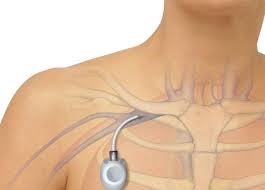
A chemotherapy port is a small medical device consisting of two main components: a reservoir (port) and a catheter. The port is placed under the skin, typically in the chest area, and the catheter is connected to a large central vein, such as the superior vena cava. This device allows physicians and nurses to easily administer chemotherapy drugs, fluids, or even draw blood samples without the need for repeated needle insertions into the patient’s veins.
—
### The Role of Interventional Radiology in Chemotherapy Port Insertion
Interventional radiology is a medical specialty that uses imaging techniques to guide minimally invasive diagnostic and therapeutic procedures. In chemotherapy port insertion, an interventional radiologist employs advanced imaging methods, such as fluoroscopy (a type of X-ray imaging) or ultrasound, to precisely guide the procedure. This imaging guidance ensures that the catheter is accurately and safely directed into the central vein, minimizing the risk of damage to surrounding tissues.
—
### Chemotherapy Port Insertion Procedure
Chemotherapy port insertion is typically performed in an operating room or an interventional radiology unit, and the steps are as follows:
1. **Patient Preparation**:
The patient is positioned on an examination table. Local anesthesia or mild sedation may be used to reduce pain and discomfort.
2. **Imaging Guidance**:
The interventional radiologist uses fluoroscopy or ultrasound to precisely locate the central vein. This imaging helps the physician plan the catheter’s entry path accurately.
3. **Creating a Small Incision**:
A small incision is made in the chest area to place the port reservoir under the skin.
4. **Guiding the Catheter to the Central Vein**:
The catheter is guided through a peripheral vein (typically in the neck or arm) toward the central vein. This step is performed under imaging guidance.
5. **Connecting the Port and Catheter**:
Once the catheter is correctly placed in the central vein, the port reservoir is connected to the catheter and positioned under the skin.
6. **Procedure Completion**:
The incision is stitched, and the site is bandaged. The entire process typically takes 30 to 60 minutes.
—
### Advantages of Chemotherapy Port
As a minimally invasive method, the chemotherapy port offers several advantages over repeated peripheral vein injections. Some of these include:
1. **Reduced Pain and Discomfort**:
Patients no longer need repeated needle insertions into their veins, significantly reducing pain and discomfort.
2. **Increased Safety**:
The chemotherapy port reduces the risk of drug leakage into surrounding tissues, which can cause tissue damage.
3. **Ease of Drug Administration**:
Physicians and nurses can easily administer drugs, fluids, or draw blood samples through the port.
4. **Longer Lifespan**:
A chemotherapy port can be used for months or even years, making it an ideal option for patients requiring long-term treatment.
5. **Lower Risk of Infection**:
Since the port is placed under the skin, the risk of infection is lower compared to peripheral venous catheters.
—
### Disadvantages and Limitations of Chemotherapy Port
Despite its numerous advantages, the chemotherapy port may have some disadvantages and limitations, including:
1. **Need for Minor Surgery**:
Port insertion requires a minor surgical procedure, which may carry risks such as bleeding or infection.
2. **Risk of Catheter Blockage**:
In some cases, the catheter may become blocked, requiring replacement or cleaning.
3. **Risk of Port Displacement**:
If the port is not properly secured or if the patient engages in strenuous activities, it may become dislodged.
4. **Relatively High Cost**:
The insertion and maintenance of a chemotherapy port can be costly, though these costs are generally justified by its benefits.
—
### Uses of Chemotherapy Port
The chemotherapy port is typically used in the following cases:
1. **Long-Term Chemotherapy**:
For patients requiring extended periods of chemotherapy, the port is an ideal option.
2. **Treatment with Irritating Drugs**:
Some chemotherapy drugs can damage peripheral veins. The port reduces this risk.
3. **Patients with Difficult Venous Access**:
Patients with weak or damaged peripheral veins can benefit from a chemotherapy port.
—
### Post-Insertion Care for Chemotherapy Port
After chemotherapy port insertion, patients require specific care to maintain port function and minimize complications. These include:
1. **Regular Dressing Changes**:
The incision site must be kept clean and dry, with dressings changed regularly.
2. **Monitoring for Signs of Infection**:
If symptoms such as redness, swelling, pain, or fever occur, the patient should seek medical attention immediately.
3. **Periodic Port Flushing**:
The port should be regularly flushed with saline solution to prevent blockages.
4. **Avoiding Strenuous Activities**:
Patients should avoid intense activities that could cause the port to become dislodged.
—
### Conclusion
The chemotherapy port, as a minimally invasive and efficient method, plays a crucial role in facilitating treatment for cancer patients. By reducing pain, increasing safety, and improving quality of life, it is an ideal option for those requiring long-term chemotherapy. Interventional radiology, with its precise imaging guidance, plays a key role in the insertion and management of chemotherapy ports, helping patients undergo treatment with minimal complications.