Chemotherapy for Pulmonary Metastases: A Targeted Treatment with the Aid of Interventional Radiology
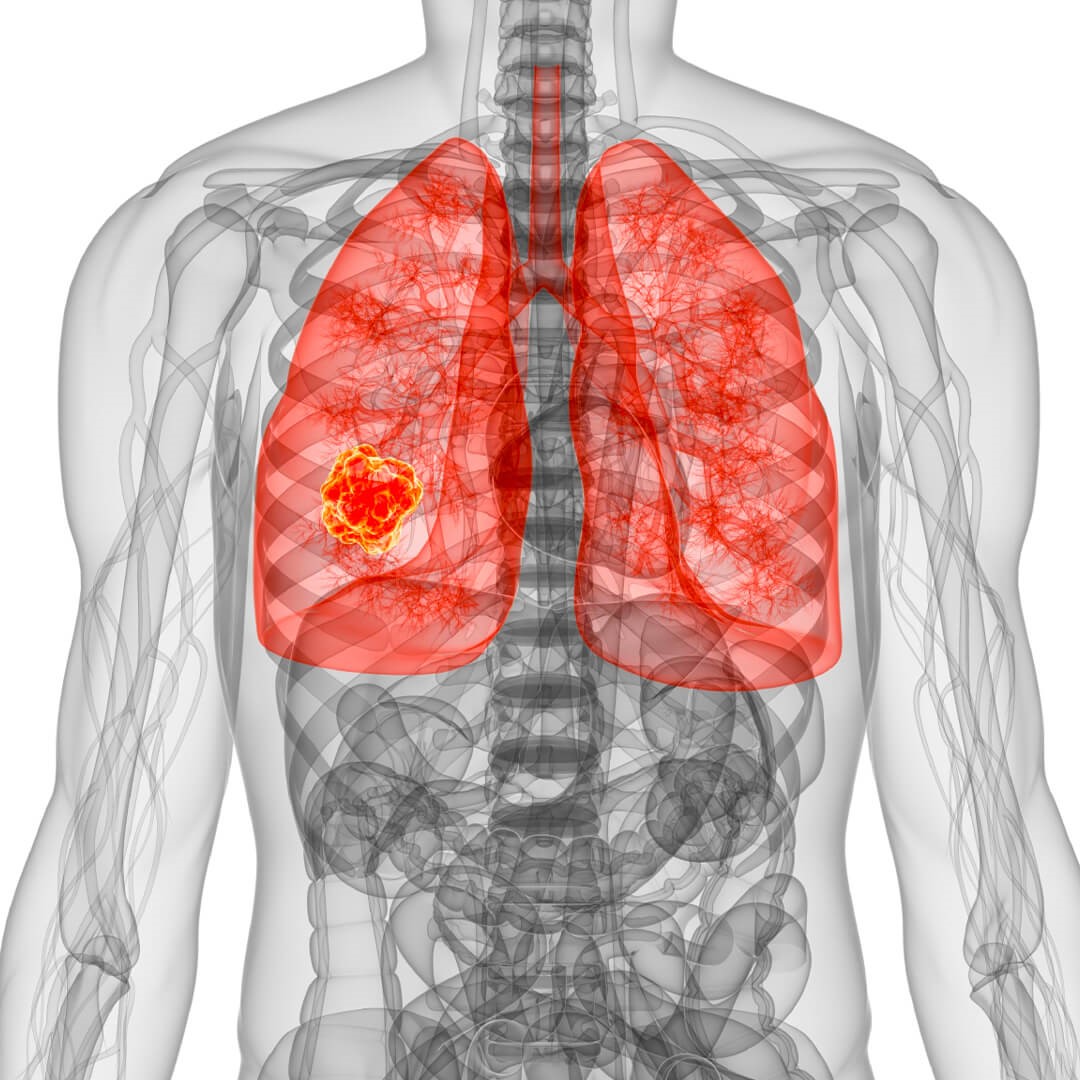
Pulmonary metastases refer to the spread of cancer cells from a primary tumor to the lungs. This condition is common in various types of cancer, such as colorectal, breast, kidney, and melanoma. Treating pulmonary metastases is challenging because these lesions are often multiple and scattered, and they may not respond well to systemic treatments like conventional chemotherapy. One modern and targeted approach for treating these lesions is localized chemotherapy (chemoembolization), performed with the assistance of interventional radiology techniques. In this article, we will thoroughly explore chemoembolization for pulmonary metastases, its procedure, advantages, disadvantages, and the role of interventional radiology.
—
### What is Localized Chemotherapy?
Localized chemotherapy (chemoembolization) is a treatment method in which chemotherapy drugs are directly injected into the blood vessels supplying the tumor, followed by blocking those vessels. This approach has two main goals: first, delivering a high concentration of chemotherapy drugs to the tumor, and second, cutting off the blood supply to the tumor to prevent further growth. Localized chemotherapy is particularly useful for treating tumors resistant to systemic therapies, such as certain pulmonary metastases.
—
### The Role of Interventional Radiology in Chemoembolization for Pulmonary Metastases
Interventional radiology is a branch of medicine that uses imaging techniques to guide minimally invasive therapeutic procedures. In chemoembolization, an interventional radiologist employs advanced imaging methods, such as angiography (a type of X-ray imaging), to precisely direct the procedure. This imaging guidance ensures that the chemotherapy drugs and embolic materials are delivered accurately and safely to the tumor’s feeding vessels, minimizing the risk of damage to surrounding healthy tissues.
—
### Procedure for Localized Chemotherapy for Pulmonary Metastases
Localized chemotherapy is typically performed in an operating room or an interventional radiology unit, and the steps are as follows:
1. **Patient Preparation**:
The patient is positioned on an examination table. Local anesthesia or mild sedation may be used to reduce pain and discomfort.
2. **Vascular Access**:
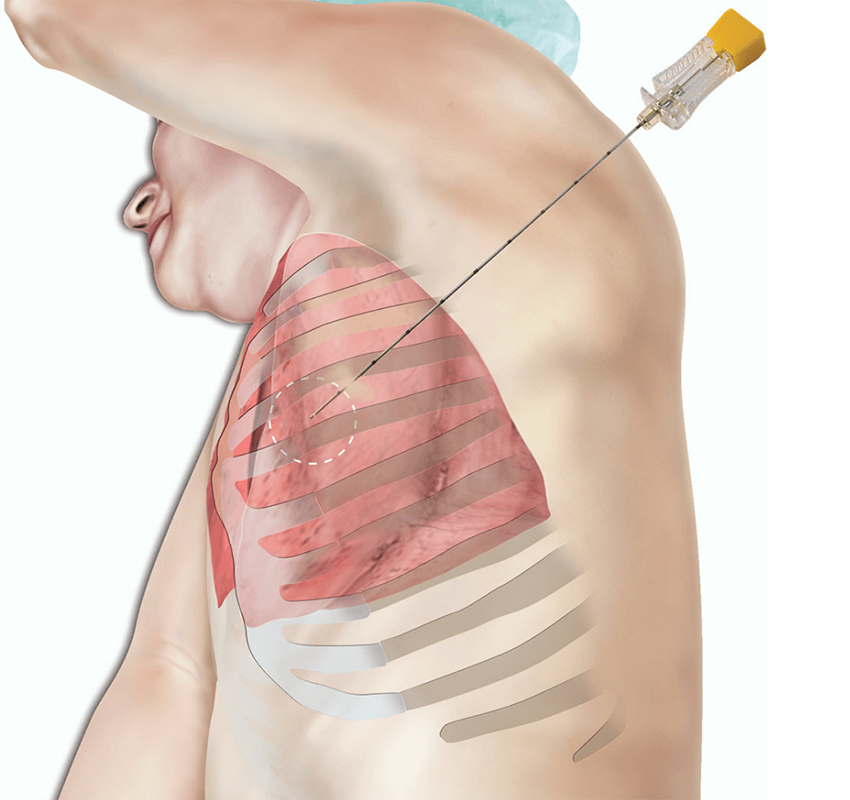
The interventional radiologist inserts a thin catheter through a small incision in the groin or arm into the femoral or brachial artery. The catheter is then guided toward the arteries supplying the pulmonary metastases.
3. **Contrast Injection and Imaging**:
A contrast agent is injected through the catheter, and angiographic images are taken. These images help the radiologist identify the tumor’s feeding vessels.
4. **Chemotherapy Drug Injection and Embolization**:
Once the target vessels are identified, chemotherapy drugs are injected directly into them. Then, embolic materials (such as microspheres or specialized gels) are used to block the vessels. This keeps the drugs localized at the tumor site and cuts off the blood supply.
5. **Procedure Completion**:
After confirming the proper injection of drugs and vessel occlusion, the catheter is removed, and the insertion site is bandaged. The entire process typically takes 1 to 2 hours.
—
### Advantages of Localized Chemotherapy for Pulmonary Metastases
As a minimally invasive method, localized chemotherapy offers several advantages over systemic treatments and traditional surgeries, including:
1. **Targeted Treatment**:
Chemotherapy drugs are delivered directly to the tumor, resulting in a much higher concentration at the site compared to systemic methods. This increases treatment efficacy while reducing overall side effects.
2. **Reduced Side Effects**:
Since the drugs are localized to the tumor, systemic side effects of chemotherapy (such as hair loss, nausea, and reduced white blood cell count) are minimized.
3. **Blood Supply Cutoff**:
Blocking the tumor’s feeding vessels deprives it of blood and oxygen, inhibiting further growth.
4. **Short Recovery Time**:
This method does not require large incisions or prolonged hospitalization, allowing patients to resume normal activities within a few days.
—
### Disadvantages and Limitations of Localized Chemotherapy
Despite its numerous advantages, localized chemotherapy may have some disadvantages and limitations, including:
1. **Need for High Expertise**:
The success of this procedure depends heavily on the interventional radiologist’s skill and advanced equipment.
2. **Potential Local Side Effects**:
Possible complications include temporary pain at the injection site, infection, or allergic reactions to the contrast agent.
3. **Limitations with Multiple Metastases**:
In cases where pulmonary metastases are highly scattered and numerous, additional complementary treatments may be required.
—
### Uses of Localized Chemotherapy for Pulmonary Metastases
Localized chemotherapy is typically used in the following cases:
1. **Metastases Resistant to Systemic Treatment**:
For patients who have not responded to systemic chemotherapy, this method can be an effective option.
2. **Tumors of Specific Origins**:
It is particularly effective for metastases from liver, colorectal, and kidney cancers.
3. **Patients with Specific Conditions**:
Patients who cannot tolerate major surgeries due to advanced age or underlying diseases can benefit from this approach.
—
### Post-Procedure Care for Localized Chemotherapy
After localized chemotherapy, patients require specific care to ensure optimal recovery. These include:
1. **Short-Term Rest**:
Patients typically need a few hours of rest after the procedure but can often return home the same day.
2. **Symptom Monitoring**:
If symptoms such as severe pain, fever, or shortness of breath occur, the patient should seek medical attention immediately.
3. **Medical Follow-Up**:
Regular imaging tests (e.g., CT scans or MRIs) are essential to evaluate the tumor’s response to treatment.
4. **Complementary Treatments**:
In some cases, combining this method with other therapies, such as radiotherapy or immunotherapy, may be necessary.
—
### Conclusion
Localized chemotherapy for pulmonary metastases has become an important minimally invasive and targeted method in treating advanced cancers. By directly delivering chemotherapy drugs to the tumor and cutting off its blood supply, it offers a suitable option for many patients. However, the decision to use this method should be based on the patient’s condition, cancer type, and the specialist physician’s recommendation. Interventional radiology, with its precise imaging guidance, plays a key role in the success of this procedure, helping patients achieve a better quality of life.