Bronchial Artery Embolization: A Modern Approach to Controlling Pulmonary Hemorrhage with Interventional Radiology
Pulmonary hemorrhage (hemoptysis) is a potentially life-threatening condition that can arise from various causes, such as lung infections, tumors, inflammatory diseases, or vascular injuries. In cases of severe hemorrhage that do not respond to conventional treatments, bronchial artery embolization (BAE) is used as an effective and minimally invasive option. This procedure, performed with the aid of interventional radiology techniques, aims to control bleeding by blocking the responsible blood vessels. In this article, we will thoroughly explore bronchial artery embolization, its procedure, advantages, disadvantages, and the role of interventional radiology.
What is Bronchial Artery Embolization?
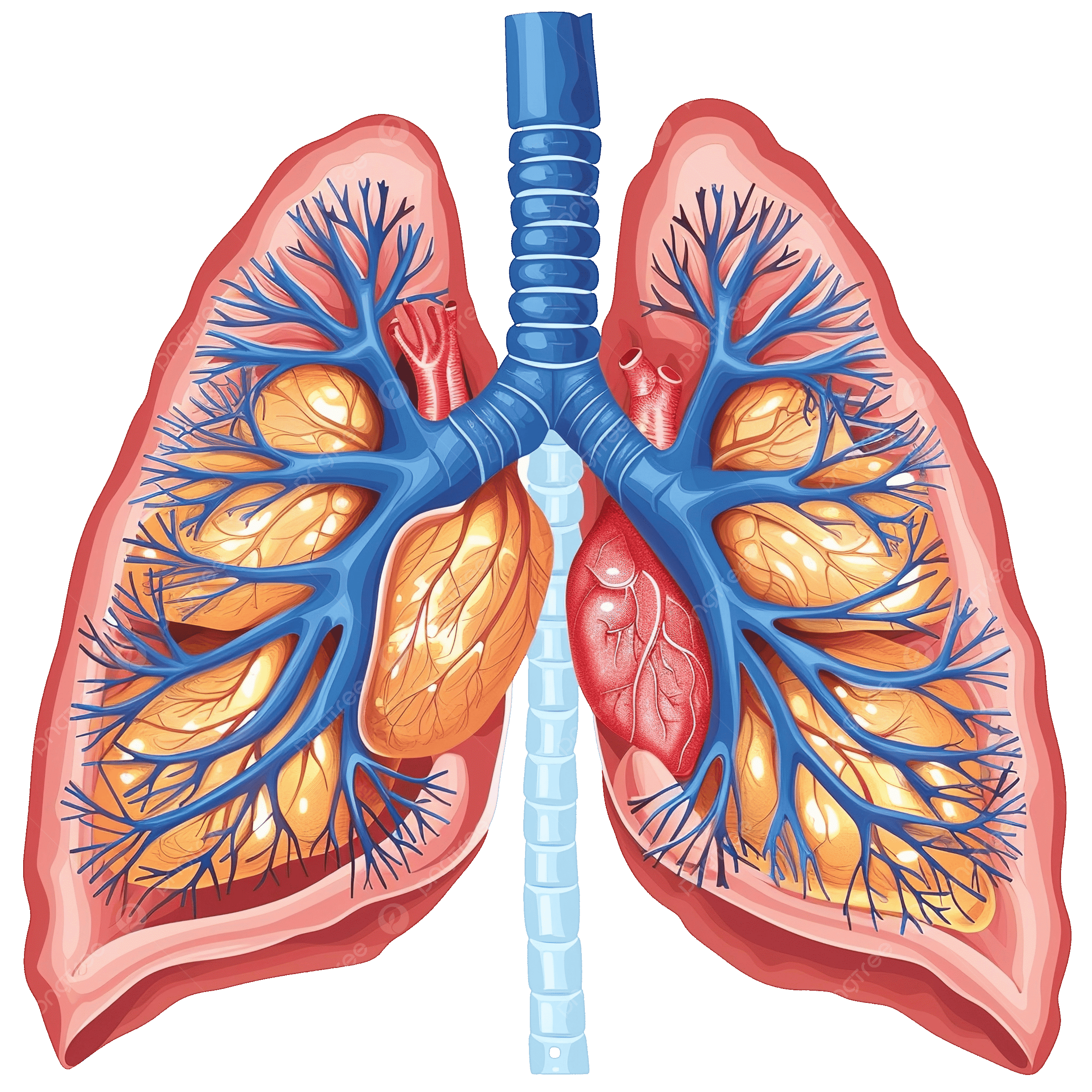
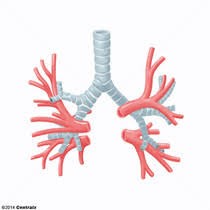
Bronchial artery embolization is a minimally invasive procedure that involves blocking the bronchial arteries (which supply blood to the lungs) to control pulmonary hemorrhage. It is typically used for patients with severe hemoptysis who have not responded to medical treatments or other therapies. Embolic materials, such as microspheres or metallic coils, are used to occlude the bleeding arteries.
The Role of Interventional Radiology in Bronchial Artery Embolization
Interventional radiology is a medical specialty that uses imaging techniques to guide minimally invasive therapeutic procedures. In bronchial artery embolization, an interventional radiologist employs advanced imaging methods, such as angiography (a type of X-ray imaging), to precisely direct the procedure. This imaging guidance ensures that embolic materials are delivered accurately and safely to the target arteries, minimizing the risk of damage to surrounding healthy tissues.
Procedure for Bronchial Artery Embolization
Bronchial artery embolization is typically performed in an operating room or an interventional radiology unit, and the steps are as follows:
- Patient Preparation: The patient is positioned on an examination table. Local anesthesia or mild sedation may be used to reduce pain and discomfort.
- Vascular Access: The interventional radiologist inserts a thin catheter through a small incision in the groin or arm into the femoral or brachial artery. The catheter is then guided toward the bronchial arteries.
- Contrast Injection and Imaging: A contrast agent is injected through the catheter, and angiographic images are taken. These images help the radiologist identify the arteries responsible for the bleeding.
- Embolization: Once the bleeding arteries are identified, embolic materials (such as microspheres or metallic coils) are injected through the catheter to block the arteries, stopping the hemorrhage.
- Procedure Completion: After confirming that the bleeding has been controlled, the catheter is removed, and the insertion site is bandaged. The entire process typically takes 1 to 2 hours.
Advantages of Bronchial Artery Embolization
As a minimally invasive method, bronchial artery embolization offers several advantages over traditional surgeries, including:
- Rapid Bleeding Control: This procedure can quickly stop pulmonary hemorrhage, reducing the risks associated with severe bleeding.
- Short Recovery Time: Since embolization does not require large incisions or prolonged hospitalization, patients can typically resume normal activities within a few days.
- Reduced Surgical Risks: Traditional thoracic surgeries may carry risks such as infection, bleeding, or damage to surrounding tissues. Embolization minimizes these risks due to its minimally invasive nature.
- Preservation of Lung Tissue: Only the bleeding arteries are targeted, preserving healthy lung tissue as much as possible.
Disadvantages and Limitations of Bronchial Artery Embolization
Despite its numerous advantages, bronchial artery embolization may have some disadvantages and limitations, including:
- Risk of Recurrent Bleeding: In some cases, bleeding may recur after a period, requiring repeat embolization or additional treatments.
- Dependence on Technology: The success of embolization relies heavily on the physician’s skill and advanced equipment. Inaccurate application may lead to the occlusion of healthy arteries.
- Potential Side Effects: Though rare, complications such as temporary pain at the injection site, infection, or allergic reactions to the contrast agent may occur.
Uses of Bronchial Artery Embolization
Bronchial artery embolization is typically used in the following cases:
- Severe Pulmonary Hemorrhage: For patients with severe hemoptysis who have not responded to medical treatments, this method can be life-saving.
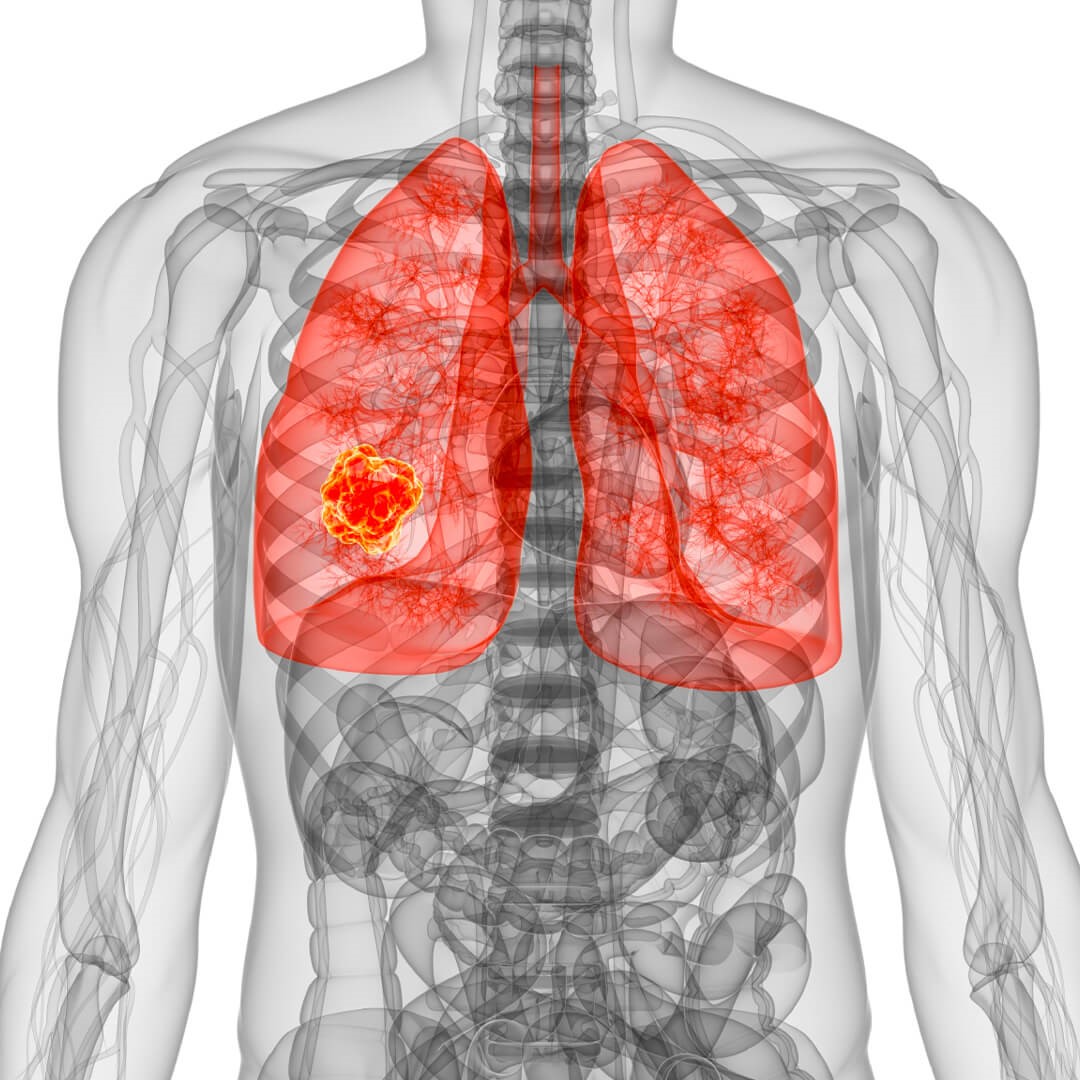
- Lung Tumors: When benign or malignant tumors cause pulmonary hemorrhage, embolization can help control bleeding.
- Inflammatory Diseases: Conditions such as bronchiectasis or tuberculosis that cause pulmonary hemorrhage can be effectively managed with embolization.
Post-Procedure Care for Bronchial Artery Embolization
After bronchial artery embolization, patients require specific care to ensure optimal recovery. These include:
- Short-Term Rest: Patients typically need a few hours of rest after the procedure but can often return home the same day.
- Symptom Monitoring: If symptoms such as severe pain, fever, or recurrent bleeding occur, the patient should seek medical attention immediately.
- Proper Nutrition: Adequate fluid intake and a healthy diet support lung function recovery.
- Medical Follow-Up: Regular imaging tests (e.g., CT scans or angiography) are essential to ensure no recurrence of bleeding.
Conclusion
Bronchial artery embolization has become an important minimally invasive and effective method for controlling pulmonary hemorrhage. By rapidly stopping bleeding, preserving lung tissue, and reducing surgical risks, it is a suitable option for many patients. However, the decision to use this method should be based on the patient’s condition, the cause of the hemorrhage, and the specialist physician’s recommendation. Interventional radiology, with its precise imaging guidance, plays a critical role in the success of this procedure, helping patients achieve a better quality of life.
Frequently Asked Questions About Bronchial Artery Embolization
- What is bronchial artery embolization? Bronchial artery embolization is a minimally invasive procedure that blocks the bronchial arteries to control pulmonary hemorrhage, typically used for severe hemoptysis unresponsive to other treatments.
- Is bronchial artery embolization painful? The procedure is performed under local anesthesia or mild sedation, resulting in minimal pain. Some patients may experience mild discomfort post-procedure, manageable with pain relievers.
- How long does the procedure take? The procedure typically takes 1 to 2 hours, depending on the complexity of the case.
- What are the risks of bronchial artery embolization? Though rare, risks include recurrent bleeding, infection, temporary pain, or allergic reactions to the contrast agent.
- Can bleeding recur after bronchial artery embolization? In some cases, bleeding may recur, requiring repeat embolization or additional treatments.
If you have any questions about bronchial artery embolization or would like to schedule a consultation with Dr. Alireza Abrishami, please visit the Contact Us page.