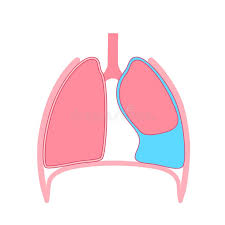
Pleural effusion – pleural fluid drainage
Pleural effusion and pleural fluid drainage: targeted treatment with interventional radiology
Pleural effusion refers to the abnormal accumulation of fluid in the pleural space (the space between the lungs and the chest wall). This condition can occur for various reasons such as heart failure, infections, cancer or inflammatory diseases. The accumulation of fluid in the pleural space can cause pressure on the lungs, shortness of breath and chest pain. One of the effective methods for treating this condition is the drainage of pleural fluid (Thoracentesis) and the placement of a pleural catheter, which is performed with the help of interventional radiology techniques. In this article, we will discuss pleural effusion in detail, methods of draining pleural fluid, advantages, disadvantages and the role of interventional radiology in these treatment methods.
—
What is pleural effusion?
Pleural effusion refers to the accumulation of fluid in the pleural space. This fluid can be divided into two main types: transudate and exudate. Transudate is usually caused by increased pressure in the blood vessels (such as in heart failure), while exudate is caused by inflammation or infection (such as in pneumonia or cancer). Identifying the type of fluid is important to determine the underlying cause and choose the appropriate treatment.
—
The Role of Interventional Radiology in the Treatment of Perforation
Interventional radiology is a branch of medicine that uses imaging techniques to precisely guide minimally invasive treatments. In the treatment of perforation, an interventional radiologist uses advanced imaging techniques such as ultrasound or CT scan to accurately guide the procedure. This image guidance allows for the drainage of fluid or the placement of a catheter to be performed accurately and safely, minimizing the risk of damage to surrounding tissues.
—
Interventional Radiology-Assisted Treatment of Pleural Fusion
There are two main methods for interventional radiology-assisted treatment of pleural fusion: pleural fluid drainage (Thoracentesis) and pleural catheter placement.
1. Pleural fluid drainage (Thoracentesis)
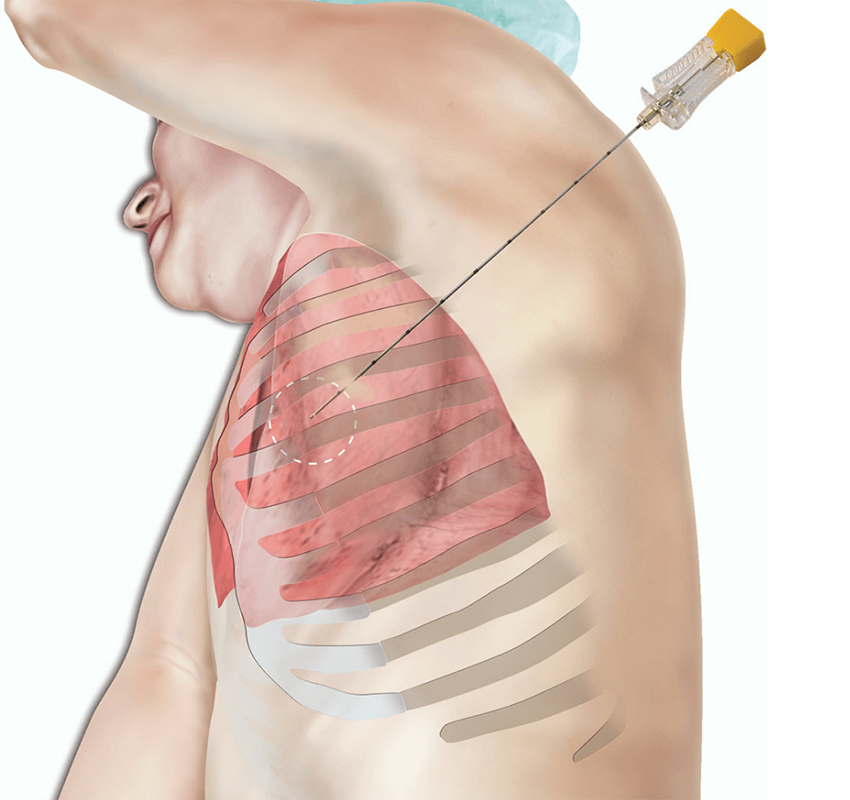
Pleural fluid drainage is a minimally invasive procedure in which fluid accumulated in the pleural space is removed using a thin needle or catheter. This procedure is usually used for acute or diagnostic cases.
Steps for performing Thoracentesis:
1. Patient preparation:
The patient is placed on an examination table. Local anesthesia may be used to reduce pain and discomfort.
2. Imaging guidance:
The interventional radiologist uses ultrasound or fluoroscopy to identify the exact location of the fluid accumulation. This imaging helps the doctor plan the needle insertion path carefully.
3. Drainage of fluid:
A thin needle or catheter is inserted through the skin and chest wall into the pleural space, and the fluid is slowly drained.
4. Completion of the procedure:
After the fluid is drained, the needle is removed and the insertion site is bandaged. The entire procedure usually takes between 15 and 30 minutes.
2. Pleural Catheter Placement
Pleural catheter placement is a minimally invasive procedure in which a thin catheter is permanently placed in the pleural space to continuously drain fluid. This procedure is usually used for patients who need frequent drainage of fluid.
Steps for placing a pleural catheter:
1. Patient preparation:
The patient lies on the examination table. To reduce pain and discomfort, local or light anesthesia may be used.
2. Imaging guidance:
The interventional radiologist uses ultrasound or CT scan to identify the exact location of the fluid collection.
3. Making a small incision:
A small incision is made in the skin to allow the catheter to enter the pleural space.
4. Placing the catheter:
The catheter is guided through the incision into the pleural space and its outer end is connected to a drainage bag.
5. Completion of the procedure:
The skin incision is sutured and the surgical site is dressed. The entire procedure usually takes between 30 and 60 minutes.
—
Benefits of Interventional Radiology-Assisted Perforation Treatment
Interventional Radiology-Assisted Perforation Treatment has several advantages over traditional methods. Some of these advantages include:
1. Reduced pain and discomfort:
These methods are minimally invasive and significantly reduce patient pain and discomfort.
2. Short recovery time:
Patients can usually return to their normal activities within a few hours of the procedure.
3. High accuracy:
Image guidance allows for accurate and safe drainage of fluid or catheter placement.
4. Reduced surgical risks:
Traditional surgeries may be associated with risks such as infection, bleeding, and damage to surrounding tissues. Interventional radiology methods minimize these risks.
—
Disadvantages and limitations of interventional radiology-assisted perforator fusion treatment
Despite numerous advantages, these methods may also be associated with some disadvantages and limitations. These include the following:
1. High need for expertise:
The success of these methods largely depends on the skill of the interventional radiologist and advanced equipment.
2. Potential side effects:
Complications such as temporary pain at the injection site, infection, or pneumothorax (air accumulation in the pleural space) may occur.
3. Fluid volume limitation:
In cases where the fluid volume is very large, additional treatment methods may be required.
—
Uses of Interventional Radiology-Assisted Perl Fusion Treatment
These methods are commonly used in the following cases:
1. Treatment-refractory perl fusion:
For patients who have not responded to medical treatments, these methods can be an effective option.2. Diagnosis of the cause of pleural effusion:
Pleural effusion drainage can be used to examine the fluid in the laboratory and diagnose the underlying cause.
3. Patients with special conditions:
Patients who are unable to tolerate major surgeries due to old age or underlying diseases can benefit from these methods.
—
Pleural effusion post-treatment care
After pleural effusion drainage or pleural catheter placement, patients need special care to ensure the best possible recovery. These care items include the following:
1. Regular dressing:
The incision site should be kept clean and dry, and the dressing should be changed regularly.
2. Monitoring for signs of infection:
If symptoms such as redness, swelling, pain, or fever occur, the patient should see a doctor immediately.
3. Regular fluid drainage:
If a pleural catheter is used, the patient should drain the fluid regularly to prevent it from accumulating again.
4. Avoidance of Strenuous Activities:
Patients should avoid strenuous activities that may dislodge the catheter.
Conclusion
Interventional radiology-assisted perforator fusion therapy has gained an important place in the management of this condition as a minimally invasive and effective method. These procedures are considered suitable options for many patients by reducing pain, speeding recovery, and reducing surgical risks. Interventional radiology plays a key role in the success of these procedures by providing precise image guidance and helping patients experience a better quality of life.
Categories:
Lung