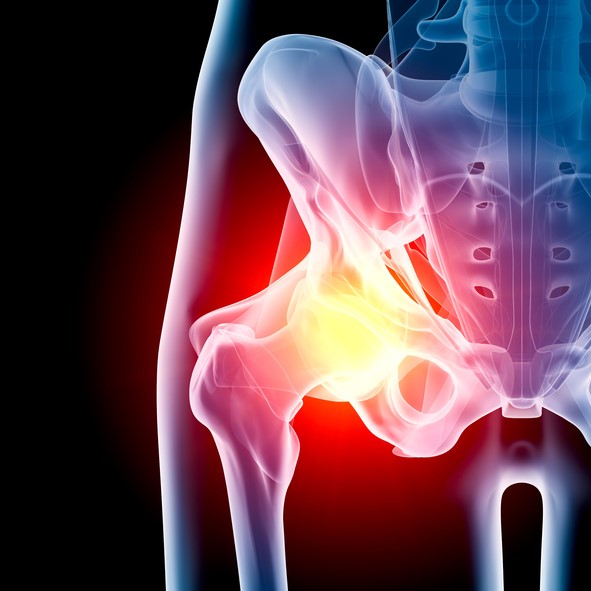
Pelvic Congestion Syndrome (PCS)
Pelvic Congestion Syndrome (PCS) is a common medical condition in women caused by venous insufficiency and blood pooling in the pelvic veins. This disorder can lead to chronic pelvic pain, discomfort, and other problems. Given the negative impact of this disease on quality of life, effective treatments for its management are essential. One modern and effective method for treating Pelvic Congestion Syndrome is embolization, performed by Interventional Radiology. This article will detail Pelvic Congestion Syndrome, the embolization procedure, its steps, advantages and disadvantages, and necessary post-treatment care.
What is Pelvic Congestion Syndrome?
Pelvic Congestion Syndrome refers to the accumulation of blood in the pelvic veins, usually due to valve failure in these vessels. This condition can lead to dilation and twisting of the veins, which in turn causes various symptoms.
Symptoms
Common symptoms of Pelvic Congestion Syndrome include:
-
Chronic Pelvic Pain: The pain may be dull or sharp and typically worsens at the end of the day or after prolonged standing.
-
Fatigue: A feeling of extreme fatigue that may interfere with daily activities.
-
Pain During Intercourse: Some women may experience pain during or after sexual intercourse.
-
Frequent Urination: Pressure on the bladder may cause urinary frequency.
Risk Factors
Several factors can increase the risk of developing Pelvic Congestion Syndrome:
-
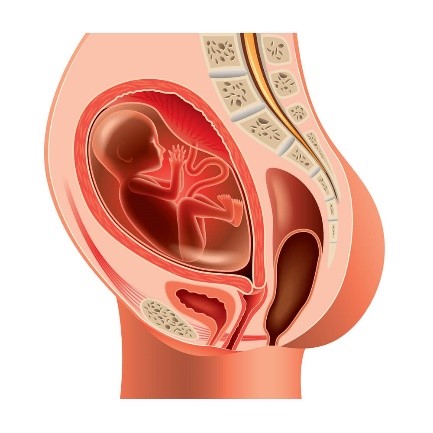
Pregnancy: Pregnancy can put extra pressure on the pelvic veins.
-
Obesity: Excess weight can lead to increased pressure on the veins.
-
Family History: A family history of venous insufficiency may increase the risk.
What is Interventional Radiology?
Interventional Radiology is a specialized branch of radiology that uses imaging techniques to provide minimally invasive methods for diagnosing and treating diseases. These procedures involve the use of catheters, needles, and other tools to perform therapeutic interventions with minimal damage to surrounding tissues.
Advantages of Interventional Radiology
-
Minimally Invasive: Does not require open surgery.
-
Short Recovery Period: Patients usually return to normal more quickly.
-
Reduced Complications: The risk of complications from surgery is lower.
-
High Precision: The use of imaging techniques provides high accuracy in performing therapeutic procedures.
Embolization for Treating Pelvic Congestion Syndrome
Definition
Embolization is a non-surgical interventional procedure in which specific blood vessels are blocked. This method is typically used to control bleeding, reduce blood flow to tumors, or treat vascular abnormalities. In the case of Pelvic Congestion Syndrome, embolization helps block the damaged veins to reduce blood pressure and alleviate symptoms.
Steps of Performing Embolization
-
Patient Preparation: The patient must undergo necessary evaluations and receive sufficient information about the procedure.
-
Local Anesthesia: The area where the catheter will be inserted is prepared with a local anesthetic.
-
Catheter Placement: Guided by imaging (such as fluoroscopy or ultrasound), the physician inserts the catheter into the blood vessel.
-
Injection of Embolic Materials: Specific materials such as polymer particles or coils are injected through the catheter to cut off blood flow to the damaged veins.
-
Patient Monitoring: The patient is monitored after the procedure to ensure no complications have arisen.
Advantages and Disadvantages of Embolization
Advantages
-
Symptom Reduction: Many patients experience a significant reduction in their symptoms after this procedure.
-
Minimally Invasive Method: Does not require open surgery and has a shorter recovery period.
-
Uterus Preservation: Unlike a hysterectomy, this method allows for the preservation of the uterus.
Disadvantages
-
Possible Side Effects: Like any other medical procedure, embolization may be associated with side effects.
-
Risk of Recurrence: Some patients may experience a return of symptoms after some time.
-
Need for Ongoing Follow-up: Patients must be monitored by a doctor to ensure positive results are maintained.
Potential Complications of Embolization
Although embolization is considered a safe procedure, it may have some complications:
-
Post-Procedural Pain: Some patients may experience pain after the procedure.
-
Infection: There is a risk of infection at the catheter insertion site.
-
Re-bleeding: If the embolic materials cannot completely block the vessels.
-
Damage to Surrounding Tissues: In rare cases, surrounding tissues may be damaged.
Post-Treatment Care
After embolization, the patient should be monitored to ensure no complications occur. The following care is recommended:
-
Adequate Rest: The patient should rest for a few hours after the procedure.
-
Vital Sign Monitoring: Blood pressure and pulse should be checked regularly.
-
Avoidance of Strenuous Activity: Strenuous activities should be limited for a few days after the procedure.
-
Monitoring for Abnormal Symptoms: Any severe pain, fever, or signs of bleeding should be reported immediately.
Conclusion
Treating Pelvic Congestion Syndrome using embolization by Interventional Radiology is an effective and minimally invasive option for controlling symptoms caused by venous insufficiency in the pelvic region. Given its numerous advantages, this method is a suitable choice for patients who cannot undergo surgery or are seeking non-surgical solutions.