Varicose Veins and the Role of Interventional Radiology in Their Treatment
Definition of Varicose Veins
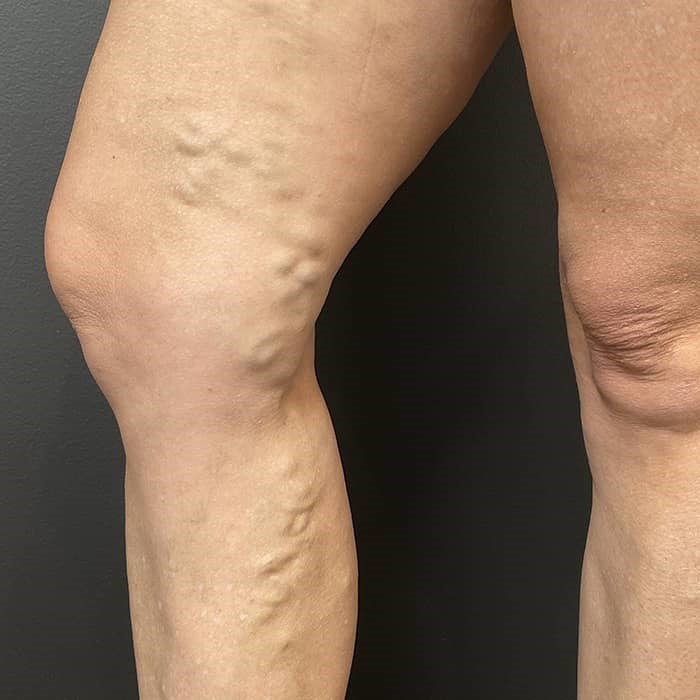
Varicose veins refer to the abnormal dilation and tortuosity of superficial veins in the body, particularly in the legs. This condition occurs due to weakness in the venous valves, which help blood flow back from the limbs to the heart. When these valves do not function properly, blood flows backward and pools in the veins, causing them to become dilated and twisted.
Causes of Varicose Veins
Varicose veins can develop for several reasons:
-
Genetics: Family history is one of the most important risk factors.
-
High Blood Pressure: This condition can damage veins and their valves.
-
Overweight and Obesity: Excess weight can put more pressure on the leg veins.
-
Prolonged Standing or Sitting: This can create pressure on the leg veins.
-
Pregnancy: Hormonal changes and increased blood volume during pregnancy can lead to the development of varicose veins.
Symptoms of Varicose Veins
Varicose veins can cause various symptoms, including:
-
A feeling of heaviness and fatigue in the legs
-
Pain and swelling in the calf and leg areas
-
Itching and burning at the site of the varicose veins
-
Skin discoloration and skin ulcers in severe cases
Diagnosis of Varicose Veins
Diagnosis of varicose veins is usually based on observation and physical examination. Additionally, imaging tests such as Doppler ultrasound can be used to assess the function of venous valves and blood flow in the veins.
Varicose Vein Treatment Methods
Treatment for varicose veins can vary depending on the severity of symptoms and the patient’s condition. Treatment options include lifestyle changes, pharmacological therapies, and surgical procedures. One of the advanced methods for treating varicose veins is Interventional Radiology.
Interventional Radiology
Interventional Radiology is a branch of medicine that uses imaging techniques to guide therapeutic procedures. These methods are typically non-invasive or minimally invasive and allow physicians to treat varicose veins without the need for open surgery.
Interventional Radiology Techniques for Treating Varicose Veins
-
Sclerotherapy: In this method, a chemical agent is injected into the varicose veins, causing them to swell and seal shut. As a result, blood flow is redirected to healthy veins, and the varicose veins are absorbed by the body.
-
Endovenous Ablation: This procedure involves using laser or radiofrequency energy to generate heat inside the varicose vein. This heat causes the vein to constrict and close, redirecting blood flow to healthy veins.
-
Phlebectomy (Ambulatory Phlebectomy): In this method, varicose veins are removed through tiny incisions in the skin. This technique is usually used for superficial varicose veins and can help reduce symptoms and improve the appearance of the legs.
-
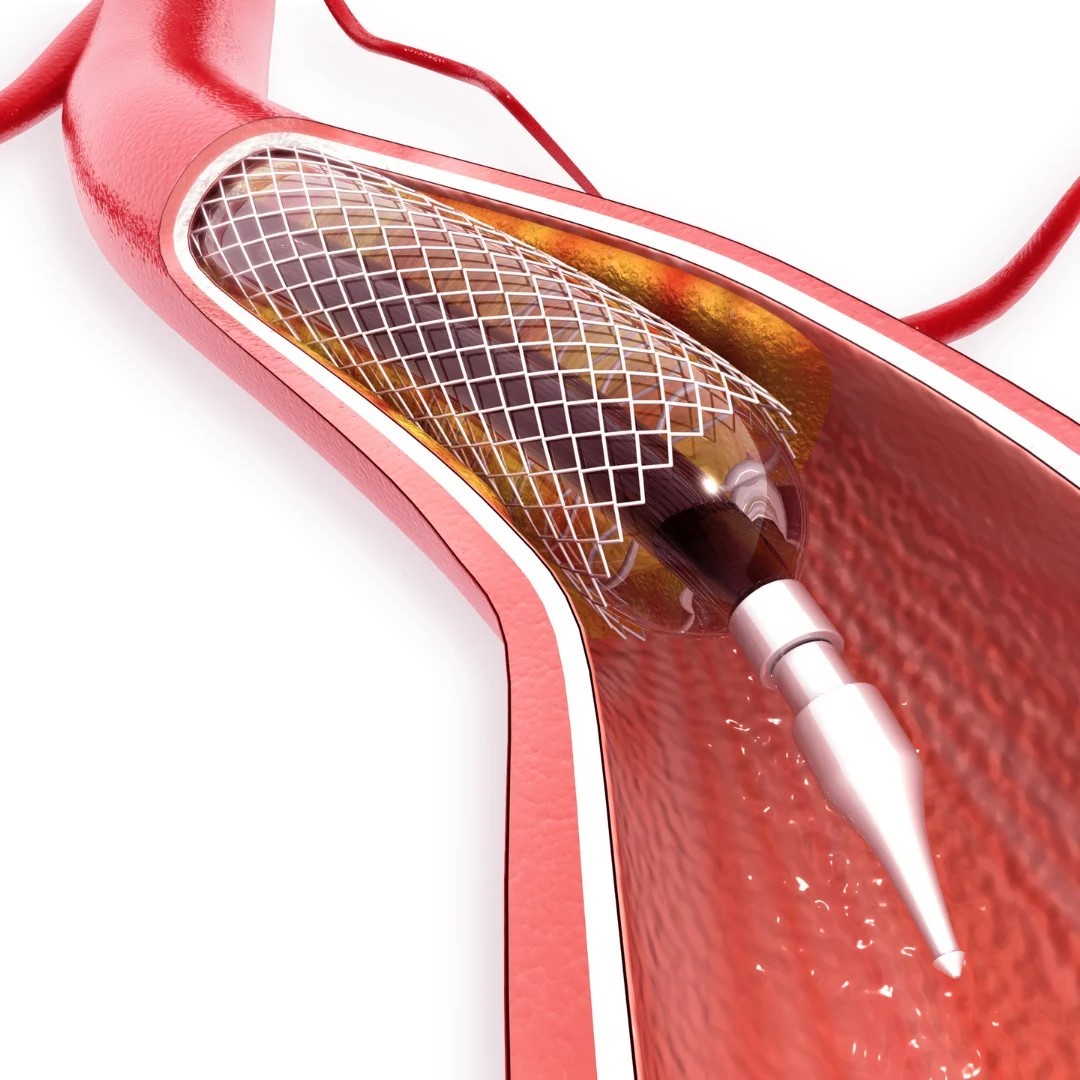
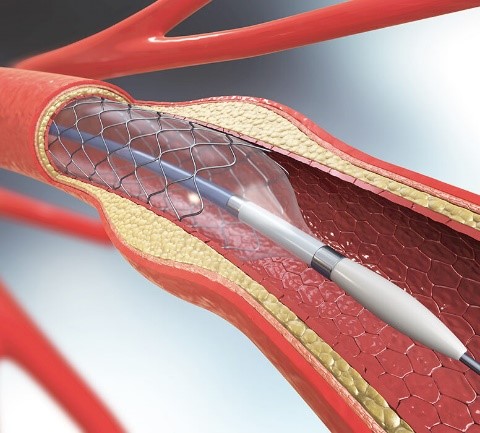
Venous Angioplasty and Stenting: This method is used for deeper venous issues, often related to previous Deep Vein Thrombosis (DVT) causing post-thrombotic syndrome. It involves using a small balloon to open up a narrowed or blocked vein. After dilation, a stent (a flexible metal mesh tube) is placed to keep the vein open and ensure proper blood flow.
Advantages of Interventional Radiology
Interventional Radiology offers many advantages, including:
-
Reduced Recovery Time: Minimally invasive procedures typically require less recovery time.
-
Reduced Pain and Surgical Complications: These methods minimize pain and surgical risks.
-
Shorter Hospital Stay: Patients usually require less hospitalization and can return home sooner.
-
Reduced Risk of Infection: Minimally invasive techniques lower the risk of infection.
Prevention and Post-Treatment Management
Preventing varicose veins involves lifestyle changes, such as quitting smoking, controlling blood pressure, eating a healthy diet, and exercising regularly. After treatment for varicose veins, the patient should be closely monitored by physicians to prevent side effects and recurrence.
Post-Treatment Recommendations
-
Use of Compression Stockings: These stockings help improve blood flow and reduce swelling.
-
Avoiding Prolonged Standing or Sitting: The patient should avoid prolonged periods of standing or sitting and move around regularly.
-
Elevating the Legs: Elevating the legs aids blood flow and can reduce swelling.
-
Following Doctor’s Instructions: The patient must carefully follow the doctor’s instructions for post-treatment care.
Conclusion
Varicose veins are a common vascular problem that can lead to unpleasant symptoms and affect quality of life. Interventional Radiology, using advanced imaging techniques and minimally invasive methods, plays a crucial role in treating varicose veins. These methods help reduce surgical complications and promote faster patient recovery. Therefore, Interventional Radiology is recognized as a primary treatment option for varicose veins and has a bright future in the field of medicine.