Venoplasty by Interventional Radiology: A Novel Method in Treating Venous Stenosis**
Venoplasty is a minimally invasive procedure used to open narrowed or blocked blood vessels. It is typically performed by Interventional Radiologists and can help improve blood flow and reduce symptoms caused by venous stenosis. Venoplasty is often used to treat conditions such as deep vein stenosis, venous thrombosis, and chronic venous insufficiency. This article examines this procedure, its steps, advantages, disadvantages, and applications.
—
### **Venous Stenosis and Treatment Challenges**
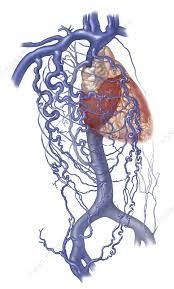
Veins are blood vessels that return deoxygenated blood from the organs back to the heart. Stenosis (narrowing) or obstruction of veins can occur for various reasons, including:
* **Deep Vein Thrombosis (DVT):** Formation of a blood clot in the deep veins, usually in the legs.
* **Congenital Stenosis:** Some individuals may be born with congenital narrowings in their veins.
* **Vein Compression:** Pressure from tumors or adjacent tissues can cause venous stenosis.
* **Inflammation:** Infections or chronic inflammation can lead to venous stenosis or obstruction.
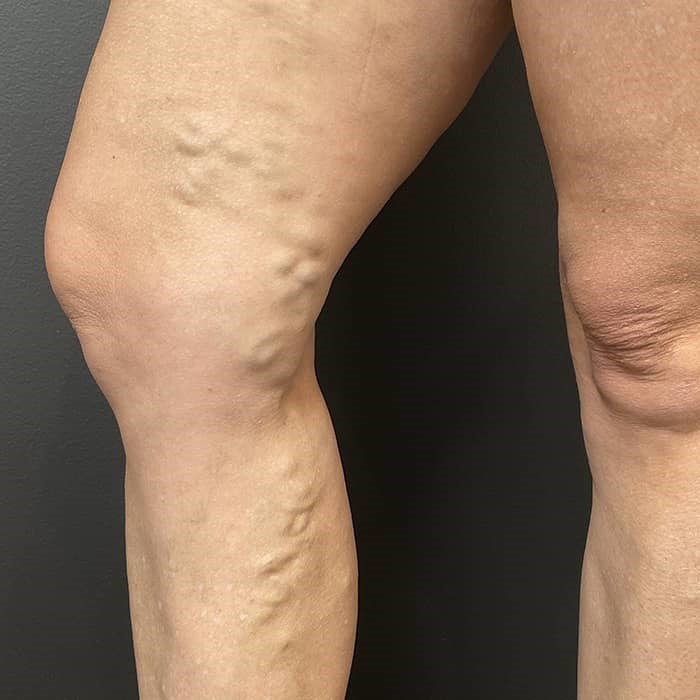
Venous stenosis can lead to symptoms such as swelling, pain, skin discoloration, and in severe cases, skin ulcers. Treatment of these stenoses depends on the underlying cause and may involve various methods such as medication, surgery, or venoplasty.
—
### **What is Venoplasty by Interventional Radiology?**
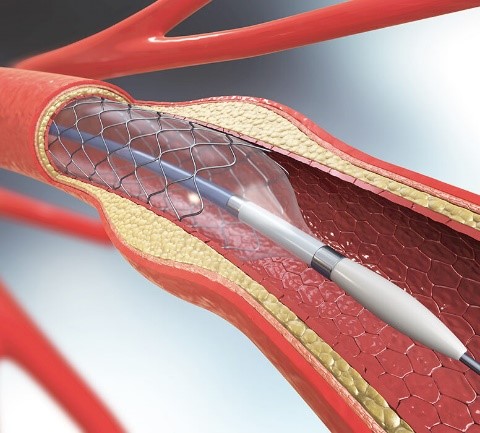
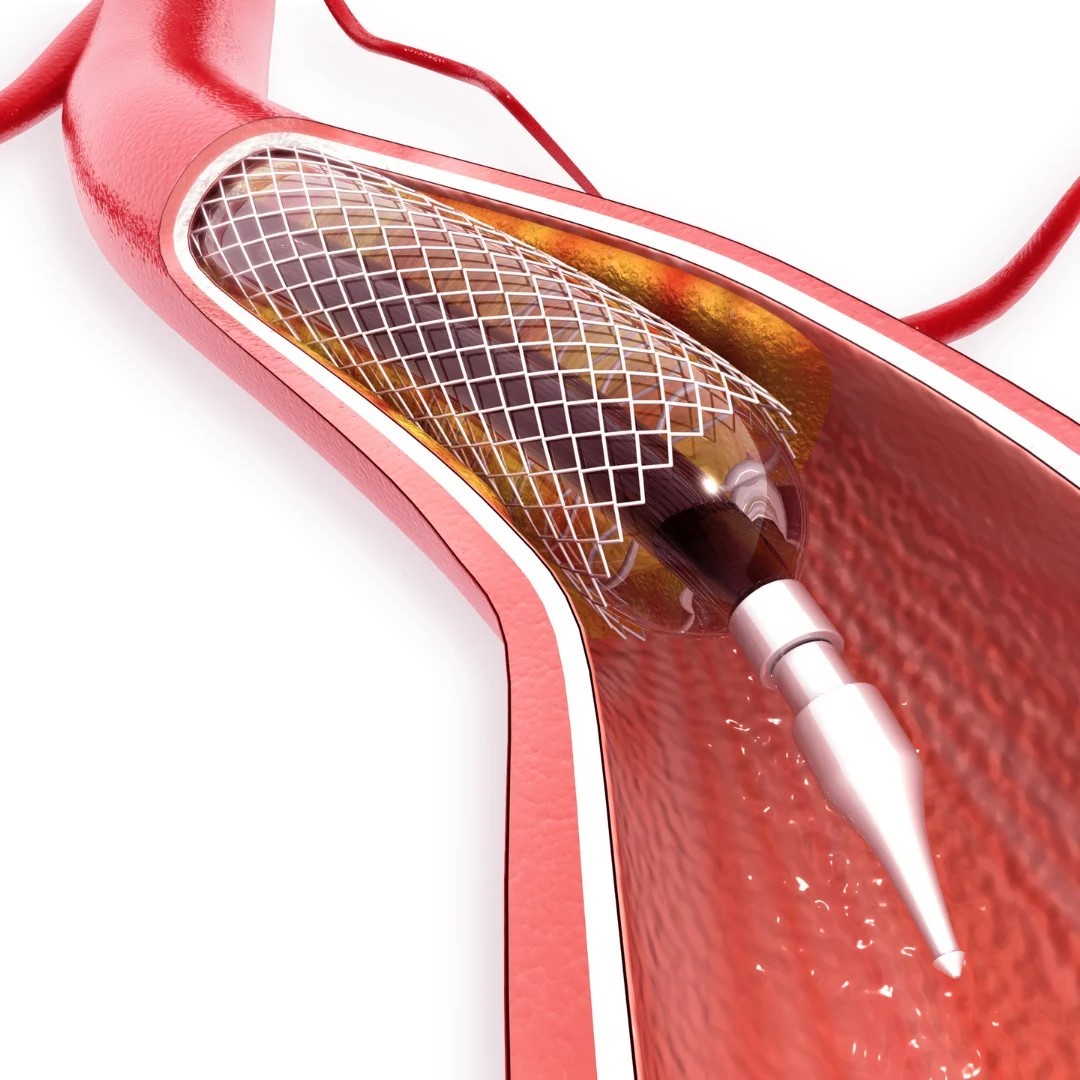
Venoplasty is a minimally invasive procedure in which a special balloon is used to open narrowed or blocked veins. This procedure is usually performed under image guidance (such as fluoroscopy or ultrasound) and does not require large incisions or general anesthesia. In some cases, a stent (a small, flexible tube) may be used to keep the vessel open.
—
### **Steps of Performing Venoplasty**
1. **Initial Evaluation:** Before performing venoplasty, the patient undergoes a comprehensive examination. This may include blood tests, Doppler ultrasound, or venography (injecting a contrast agent into the veins).
2. **Local Anesthesia:** During the procedure, local anesthesia is used to numb the skin area where the catheter will be inserted. The patient is usually awake during the procedure but may be given sedatives.
3. **Vein Access:** After anesthesia, a special needle is inserted through the skin into the vein. This is done under image guidance to ensure precision and safety.
4. **Catheter and Balloon Placement:** After accessing the vein, a guidewire is sent through the needle into the vein. Then, a catheter (a thin, flexible tube) is guided over this wire into the vein. The special balloon is guided through the catheter to the narrowed area and inflated to open the vessel.
5. **Stent Placement (if needed):** In some cases, a stent may be used to maintain vessel patency. The stent is usually made of metal or polymer and is permanently placed inside the vein.
6. **End of Procedure:** After ensuring the vessel is open, the catheter and guidewire are removed, and the entry site is bandaged. The patient is usually discharged on the same day or the next day.
—
### **Advantages of Venoplasty**
1. **Minimally Invasive:** Unlike traditional surgical methods, venoplasty does not require large incisions or general anesthesia. This reduces pain and recovery time.
2. **Preservation of Vein Function:** This procedure quickly resolves the stenosis and prevents further damage to the veins.
3. **Reduced Complications:** The likelihood of complications such as bleeding, infection, or damage to surrounding tissues is lower with this method.
4. **Rapid Results:** Many patients experience symptom improvement shortly after the procedure.
5. **No Need for Long Hospitalization:** Patients are typically discharged on the same day or the day after the procedure and can return to their normal activities.
—
### **Disadvantages and Limitations of Venoplasty**
1. **Requires High Expertise:** This procedure requires advanced equipment and the expertise of interventional radiologists and may not be available at all medical centers.
2. **Restenosis:** In some cases, venous stenosis may recur, requiring a repeat procedure.
3. **Potential Complications:** Although rare, complications such as infection, bleeding, or damage to the veins may occur.
4. **High Cost:** The equipment and expertise required for this procedure can be costly.
—
### **Applications of Venoplasty**
Venoplasty is primarily used to treat stenosis or obstruction of veins. Specifically, it can be used to treat the following:
* **Deep Vein Thrombosis (DVT):** In cases where a blood clot has caused venous obstruction.
* **Congenital Stenosis:** In cases where congenital narrowings have caused venous obstruction.
* **Chronic Venous Insufficiency:** In cases where venous stenosis has led to chronic venous insufficiency.
* **Vein Compression:** In cases where pressure from tumors or adjacent tissues has caused venous stenosis.
—
### **Conclusion**
Venoplasty by Interventional Radiology is a modern, minimally invasive method that can be an effective treatment option for resolving venous stenosis or obstruction. By opening narrowed veins, this procedure improves blood flow and reduces associated symptoms. Despite its significant advantages, this method has its own limitations and challenges and requires expertise and advanced equipment. Ultimately, the decision to use this procedure should be made in consultation with a specialist physician based on each patient’s specific condition.
With ongoing advancements in medicine, it is hoped that procedures like venoplasty can help improve treatment outcomes and reduce side effects in patients suffering from venous stenosis.