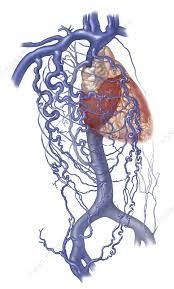
Stent Placement in Superior Vena Cava (SVC) Syndrome
What is Superior Vena Cava (SVC) Syndrome?
Definition
Superior vena cava (SVC) syndrome occurs when blood flow from the head, neck, and upper extremities to the heart is reduced or obstructed. This condition is usually caused by physical compression of the SVC, which may result from malignant tumors, blood clots, or, less commonly, infections.
Symptoms
Common symptoms of SVC syndrome include:
- Facial and neck swelling: Increased venous pressure leads to swelling in the upper body.
- Shortness of breath: A sensation of breathlessness that may worsen when lying down.
- Cough: Frequent coughing, sometimes with sputum.
- Chest pain: Pressure or pain in the chest area.
Risk factors
Several conditions can contribute to the development of SVC syndrome:
- Cancer: Lung cancer, lymphoma, and breast cancer are the most common causes.
- Blood clots: Deep vein thrombosis (DVT) may obstruct venous return.
- Congenital factors: Some vascular abnormalities may be present from birth.
What is Angiography?
Definition
Angiography is an imaging technique used to visualize blood vessels. A contrast agent is injected into the vessels to obtain clear images of vascular structures, helping physicians identify obstructions, narrowing, or vascular anomalies.
Steps of angiography
- Patient preparation: Information about the procedure is provided, and blood tests may be required.
- Local anesthesia: The catheter insertion site is numbed.
- Catheter insertion: A catheter is advanced into the target vein or artery under imaging guidance.
- Injection of contrast agent: The contrast medium is injected through the catheter.
- Imaging: X-ray or other imaging modalities are used to record vascular images.
- Monitoring: The patient is observed after the procedure to ensure no complications occur.
What is Angioplasty?
Definition
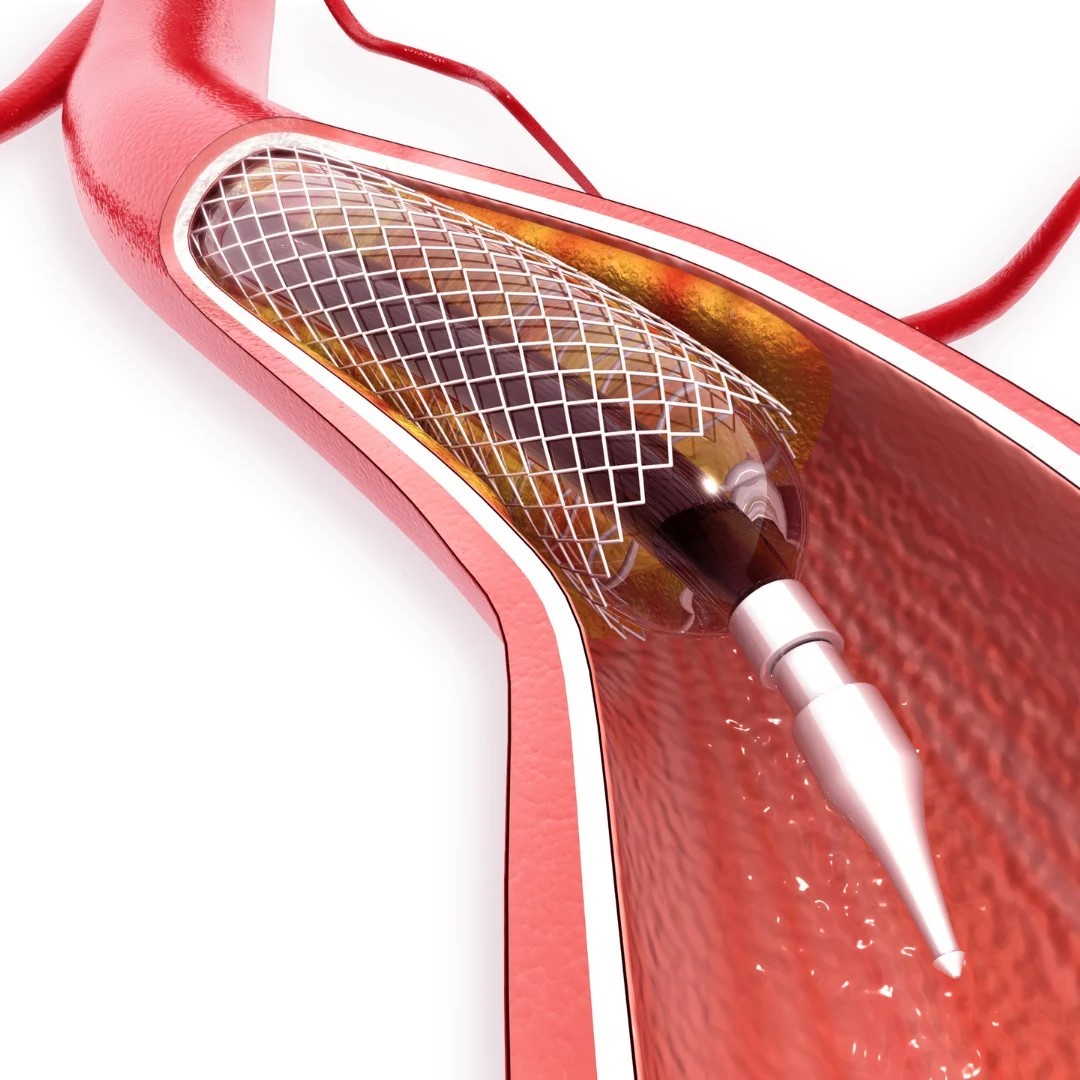
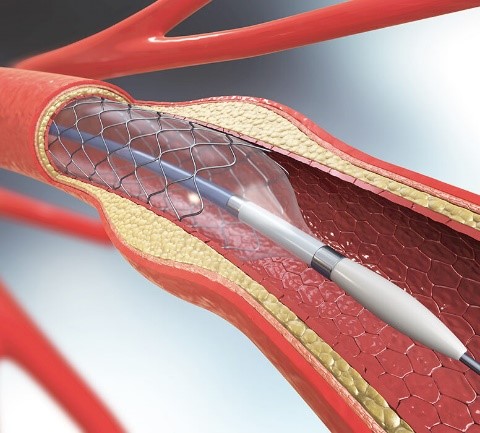
Angioplasty is a therapeutic procedure used to open narrowed or obstructed blood vessels. It is often performed after angiography has identified the problem. In this procedure, a small balloon is inserted into the affected vessel and inflated to widen it.
Steps of angioplasty
- Patient preparation: Similar to angiography.
- Local anesthesia: The catheter insertion site is numbed.
- Catheter insertion: The catheter is advanced into the target vessel.
- Balloon placement: A small balloon attached to the catheter is guided to the site of narrowing or obstruction.
- Balloon inflation: The balloon is inflated to widen the vessel.
- Stent placement (if needed): A small metallic mesh tube (stent) may be placed to keep the vessel open.
- Monitoring: The patient is observed after the procedure.
Advantages and Disadvantages
Advantages of Angiography
- Precise diagnosis: Allows direct visualization of vascular structures.
- Minimally invasive: Less invasive than open surgery.
- Rapid procedure: Usually performed in a short time.
Disadvantages of Angiography
- Possible side effects: Allergic reactions to contrast media.
- Risk of bleeding: May occur at the catheter insertion site.
Advantages of Angioplasty
- Rapidly restores blood flow: Quickly relieves obstruction.
- Symptom relief: Reduces discomfort such as swelling and shortness of breath.
Disadvantages of Angioplasty
- Possible complications: Bleeding, vessel injury, or reaction to contrast.
- Risk of restenosis: The vessel may narrow again, requiring follow-up treatment.
Post-treatment Care
After Angiography
- Adequate rest: The patient should rest for several hours.
- Monitoring vital signs: Blood pressure and pulse should be checked regularly.
- Avoiding strenuous activity: Physical exertion should be limited for a few days.
After Angioplasty
- Monitoring vital signs: Continuous observation of blood pressure and heart rate.
- Rest: At least 24 hours of rest following the procedure.
- Watch for warning signs: Severe pain, fever, or bleeding should be reported immediately.
Conclusion
Angiography and angioplasty are two effective interventional radiology methods for diagnosing and treating vascular complications associated with SVC syndrome. These procedures provide minimally invasive alternatives to surgery, offering rapid relief of symptoms and improving patient outcomes. Stent placement, in particular, plays a vital role in preventing vessel re-narrowing and maintaining adequate blood flow.