Angiography and Angioplasty
Angiography and angioplasty are two important procedures in interventional radiology that are widely used for the diagnosis and treatment of vascular disorders. These techniques are particularly useful in the management of cardiovascular diseases, vascular abnormalities, and arterial-venous malformations. Using advanced imaging technologies, physicians can accurately evaluate blood vessels and perform necessary treatments. This article reviews the details of angiography and angioplasty, including their procedures, applications, advantages, and disadvantages.
What is Angiography?
Definition
Angiography is an imaging technique used to visualize blood vessels (arteries and veins). A contrast medium is injected into the vessels to obtain clearer images of their structure. These images help physicians identify problems such as blockages, narrowing, or vascular abnormalities.
Steps of Angiography
- Patient preparation: The patient receives information about the procedure and may require blood tests.
- Local anesthesia: The catheter insertion site is numbed with a local anesthetic.
- Catheter insertion: Under imaging guidance, the physician advances a catheter into the target artery or vein.
- Injection of contrast agent: The contrast medium is injected through the catheter.
- Imaging: X-ray or other imaging techniques are used to record detailed images of the vessels.
- Monitoring: The patient is observed afterward to ensure no complications occur.
Applications of Angiography
- Diagnosis of cardiovascular disease: Detecting blockages in coronary arteries.
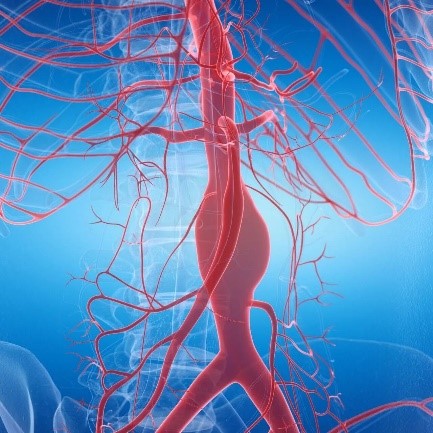
- Evaluation of vascular abnormalities: Such as aneurysms or AVMs (arteriovenous malformations).
- Control of bleeding: Identifying the source of internal hemorrhage.
- Renal disease evaluation: Assessing kidney vasculature.
What is Angioplasty?
Definition
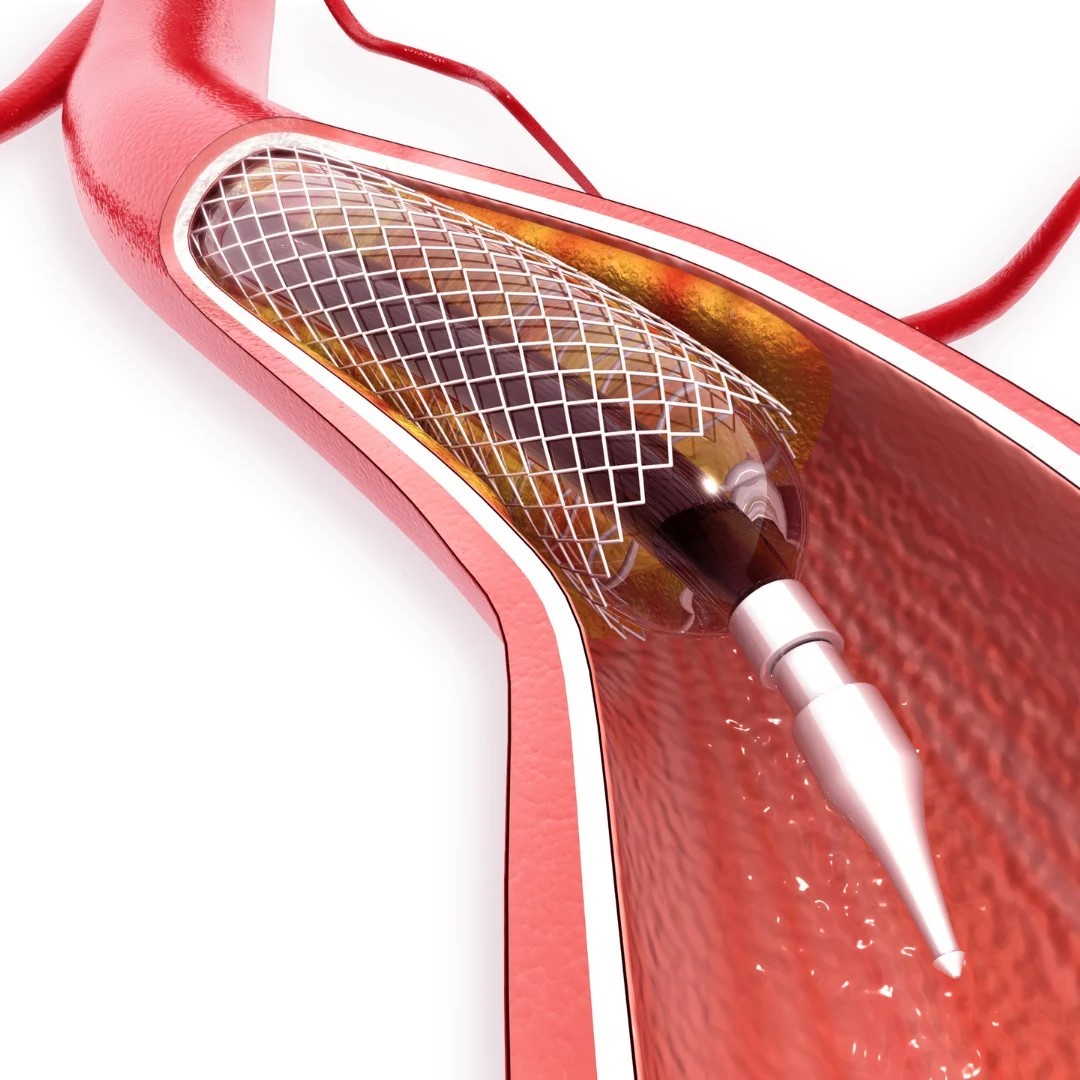
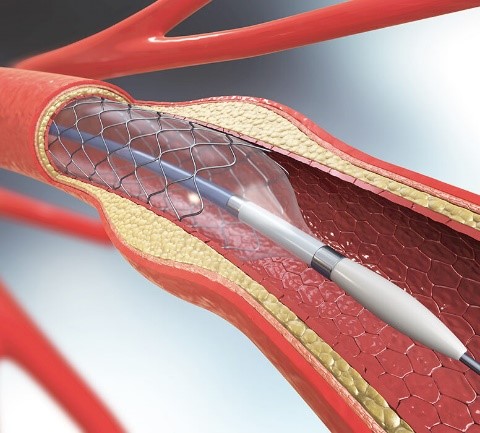
Angioplasty is a therapeutic procedure used to open narrowed or blocked blood vessels. It is usually performed after a problem has been identified through angiography. During angioplasty, a small balloon is inserted into the vessel and inflated to widen it.
Steps of Angioplasty
- Patient preparation: Similar to angiography, the patient is informed and prepared.
- Local anesthesia: The catheter insertion site is numbed.
- Catheter insertion: The catheter is advanced into the affected vessel.
- Balloon placement: A small balloon attached to the catheter is guided to the site of narrowing or blockage.
- Balloon inflation: The balloon is inflated to open the vessel.
- Stent placement (if required): In some cases, a small metallic mesh tube (stent) is inserted to prevent re-narrowing.
- Monitoring: The patient is observed after the procedure.
Applications of Angioplasty
- Treatment of cardiovascular disease: Opening blocked coronary arteries.
- Treatment of arterial stenosis: Such as narrowing of the carotid artery or leg arteries.
- Management of arterial-venous malformations (AVMs).
Advantages and Disadvantages
Advantages of Angiography
- Accurate diagnosis: Provides precise visualization of vascular structures.
- Minimally invasive: Less invasive compared to open surgery.
- Rapid procedure: Can be completed in a short time.
Disadvantages of Angiography
- Possible side effects: Allergic reactions to contrast medium.
- Risk of bleeding: At the catheter insertion site.
Advantages of Angioplasty
- Rapid restoration of blood flow: Provides immediate relief of obstruction.
- Symptom relief: Reduces associated pain and discomfort.
Disadvantages of Angioplasty
- Possible complications: Such as bleeding or damage to surrounding tissues.
- Risk of restenosis: Vessels may narrow again, requiring follow-up treatment.
Post-treatment Care
After Angiography
- Adequate rest: The patient should rest for a few hours.
- Monitoring vital signs: Blood pressure and heart rate should be checked regularly.
- Avoiding strenuous activity: Physical exertion should be limited for several days.
After Angioplasty
- Monitoring vital signs: Continuous observation of blood pressure and pulse.
- Rest: At least 24 hours of rest following the procedure.
- Monitoring for complications: Severe pain, fever, or signs of bleeding should be reported immediately.
Conclusion
Angiography and angioplasty are two effective interventional radiology techniques that play an essential role in the diagnosis and treatment of vascular disorders. With their minimally invasive nature and high success rate, they are excellent options for patients who require urgent treatment or are not suitable candidates for open surgery.