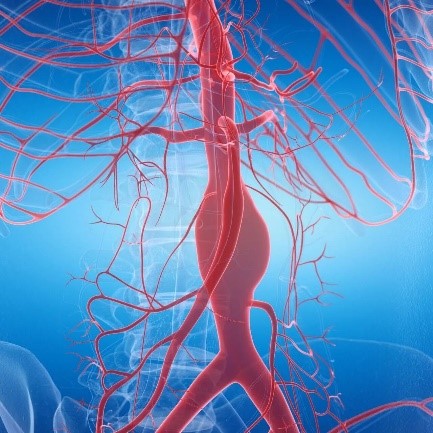
Vascular Aneurysm
Vascular Aneurysm and Its Treatment Through Interventional Radiology
A vascular aneurysm is a dangerous and potentially life-threatening condition that refers to the abnormal dilation of a blood vessel wall. This condition can occur in any part of the body, but the most common sites include the aorta (the body’s main artery), cerebral arteries, and peripheral arteries. If an aneurysm ruptures, it can lead to severe bleeding, shock, and even death. Fortunately, with recent advances in Interventional Radiology, minimally invasive and effective methods for treating vascular aneurysms have been developed.
This article reviews vascular aneurysms, their treatment with interventional radiology, the advantages, disadvantages, and procedural steps of these methods.
What Is a Vascular Aneurysm?
A vascular aneurysm is the localized, abnormal dilation of a blood vessel wall. It may result from weakness of the vessel wall, high blood pressure, atherosclerosis, infection, or genetic factors. Although aneurysms can develop in any blood vessel, the most common types include:
- Abdominal Aortic Aneurysm (AAA): occurs in the abdominal section of the aorta.
- Thoracic Aortic Aneurysm: develops in the chest section of the aorta.
- Cerebral Aneurysm: occurs in the brain arteries.
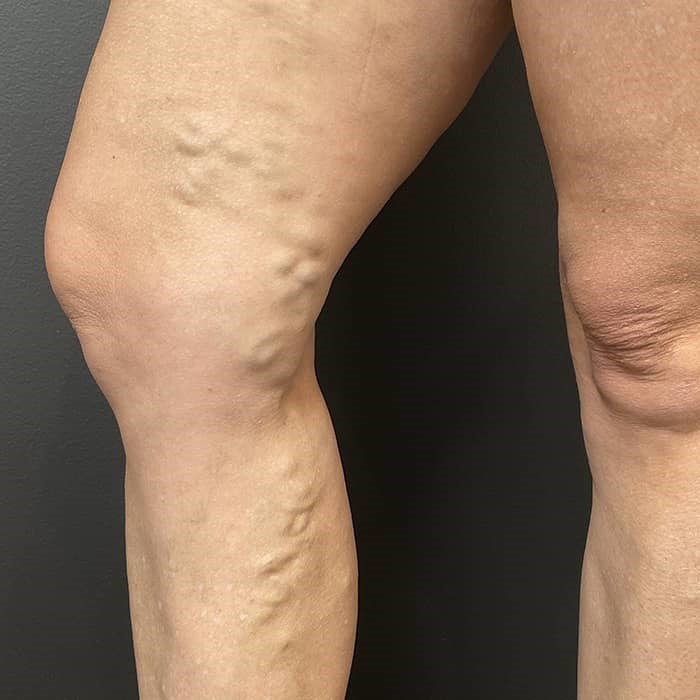
- Peripheral Artery Aneurysm: develops in arteries of the arms, legs, or other extremities.
Aneurysms are often asymptomatic but may cause severe pain, dizziness, shortness of breath, or internal bleeding if they enlarge or rupture.
The Role of Interventional Radiology in Treating Vascular Aneurysms
Interventional radiology is a medical specialty that uses imaging techniques to guide minimally invasive therapeutic procedures. In treating vascular aneurysms, interventional radiologists employ advanced imaging such as angiography (a type of X-ray imaging), CT scans, or MRI to precisely guide the procedure. This imaging guidance ensures accurate and safe treatment while minimizing damage to surrounding tissues.
Treatment Methods for Vascular Aneurysms with Interventional Radiology
Interventional radiology offers minimally invasive procedures aimed at preventing aneurysm rupture and reducing associated risks. The two main approaches are:
1. Endovascular Stent Grafting
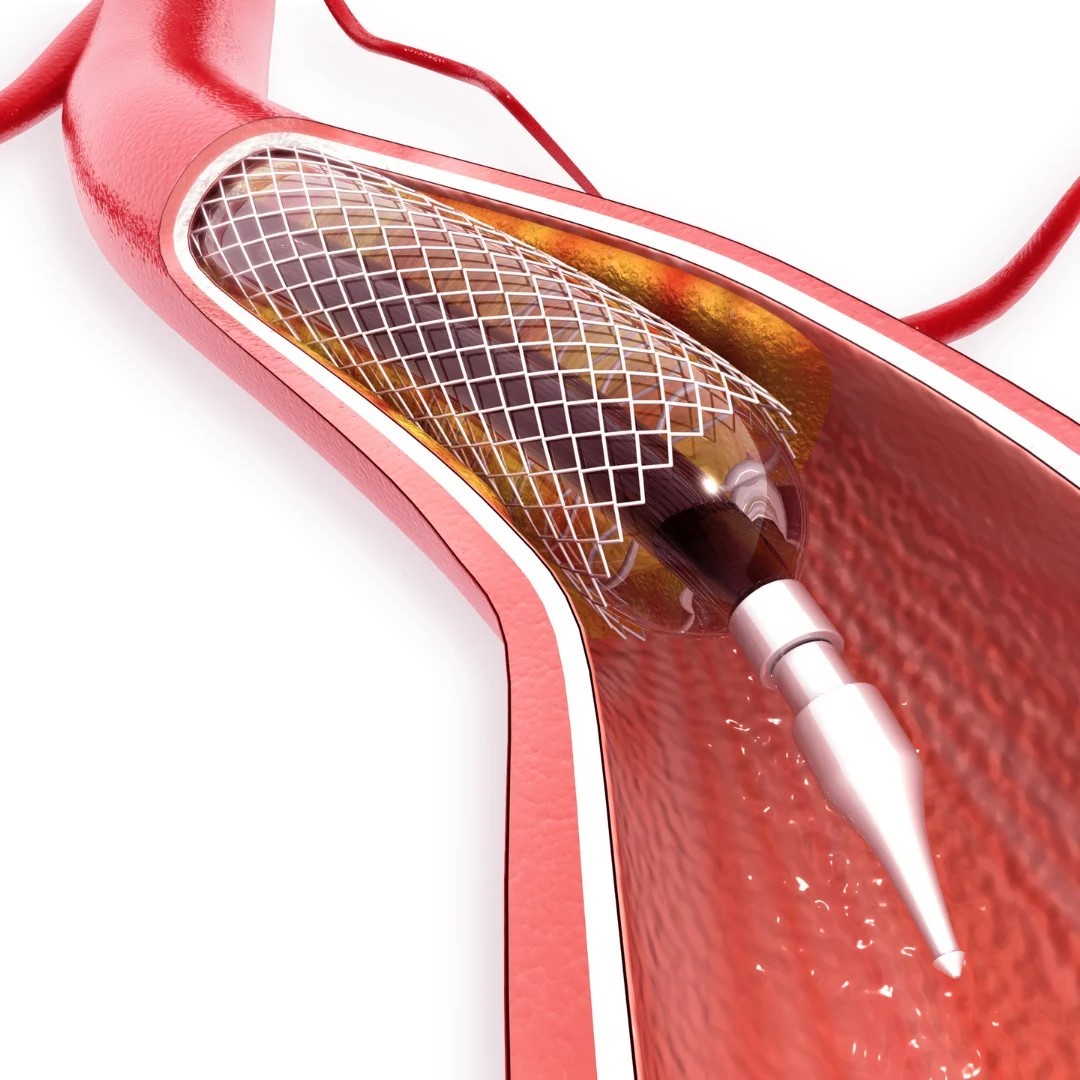
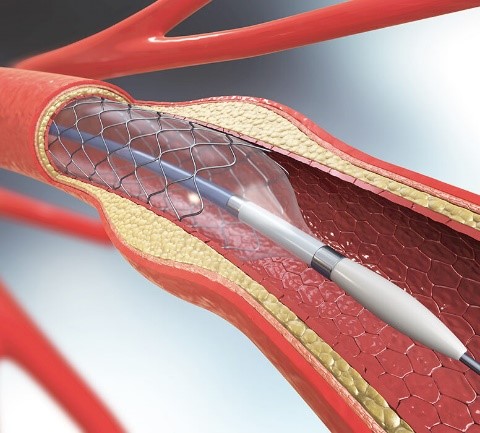
In this procedure, a stent graft (a mesh-like tube made of metal and fabric) is delivered through a catheter and placed inside the blood vessel at the aneurysm site. The stent graft reinforces the vessel wall and prevents rupture.
Steps of Stent Graft Placement:
- Patient preparation: The patient is positioned on the examination table. Local anesthesia or mild sedation may be used to reduce discomfort.
- Imaging guidance: The interventional radiologist uses angiography to identify the exact location of the aneurysm.
- Vascular access: A thin catheter is inserted through a small incision in the groin or arm into the femoral or brachial artery.
- Stent graft placement: The stent graft is guided to the aneurysm site and deployed to reinforce the vessel wall.
- Completion: Once proper placement is confirmed, the catheter is removed and the incision site is dressed. The entire procedure usually takes 1–2 hours.
2. Embolization
In this method, embolic agents (such as metal coils or special gels) are used to block blood flow to the aneurysm, reducing wall pressure and preventing rupture.
Steps of Embolization:
- Patient preparation: The patient is positioned on the examination table, and local anesthesia may be applied.
- Imaging guidance: Angiography is used to locate the aneurysm.
- Vascular access: A thin catheter is inserted via a small incision in the groin or arm into the femoral or brachial artery.
- Injection of embolic agents: These materials are injected into the aneurysm to block blood flow.
- Completion: After confirming successful occlusion, the catheter is removed and the entry site is dressed. The procedure typically takes 1–2 hours.
Advantages of Treating Vascular Aneurysms with Interventional Radiology
Compared with traditional surgery, interventional radiology offers several benefits:
- Reduced pain and discomfort: Minimally invasive techniques significantly lessen patient discomfort.
- Short recovery time: Most patients can return to normal activities within a few days.
- Lower surgical risks: Traditional surgery carries risks such as infection, bleeding, and tissue damage. Interventional radiology minimizes these risks.
- High precision: Imaging guidance ensures accurate and safe treatment.
Disadvantages and Limitations of Interventional Radiology for Aneurysm Treatment
Despite its many benefits, this approach has some limitations:
- High level of expertise required: Success largely depends on the interventional radiologist’s skill and advanced equipment.
- Potential complications: Risks include bleeding, infection, or allergic reactions to contrast agents.
- Size limitations: Extremely large aneurysms may still require traditional surgery.
Post-Treatment Care for Vascular Aneurysm Patients
After treatment, patients need special care to ensure optimal recovery:
- Short rest period: Patients may need only a few hours of rest and can usually go home the same day.
- Monitoring symptoms: Severe pain, fever, or bleeding should prompt immediate medical attention.
- Medical follow-up: Periodic imaging (CT scans or angiography) is necessary to confirm treatment success.
- Lifestyle changes: Patients should control blood pressure, quit smoking, and follow a healthy diet to prevent recurrence.
Conclusion
Treating vascular aneurysms with interventional radiology has emerged as an effective, minimally invasive approach in managing this life-threatening condition. By reducing pain, speeding recovery, and lowering surgical risks, it serves as a valuable option for many patients. However, treatment choice should be based on the patient’s condition, aneurysm size, and specialist recommendations. With precise imaging guidance, interventional radiology plays a key role in successful treatment and helps patients achieve a better quality of life.