Osteoid Osteoma
What is it?
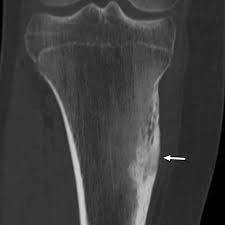
Osteoid osteoma is a type of benign bone tumor that usually occurs in the lower limbs, such as the thigh or shin. These tumors are composed of a central soft tissue area called a nidus, which is surrounded by a dense, hard mass of bone tissue. The size of these tumors is usually less than 1.5 cm, and they do not grow larger, but they can cause significant reactive bone formation around them.
Who does it affect and at what age?
This tumor is most common in children and young adults, particularly between the ages of 4 and 25. Men are about three times more likely than women to develop the condition. Although it can occur at any age, it is most prevalent during adolescence or early puberty.
What are the symptoms?
The main symptoms include:
- Chronic pain: Often worsens at night.
- Movement problems: Limping or deformity may occur.
- Joint stiffness
- Swelling
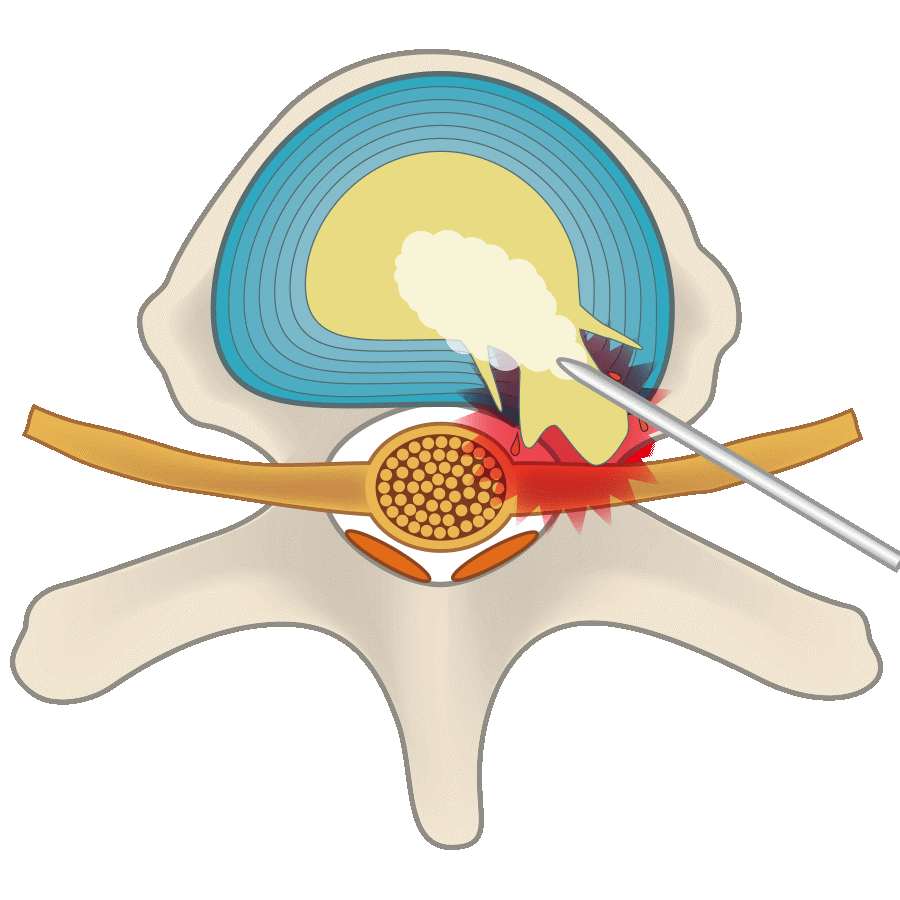
- Other symptoms, such as sciatica or spinal deformity, may occur if the tumor is located in the spine.
How is it treated?
Treatment depends on the severity of symptoms:
1. Non-surgical treatment
- Use of pain relievers to manage discomfort
2. Open surgery
- Complete removal of the nidus to prevent recurrence
3. Minimally invasive techniques
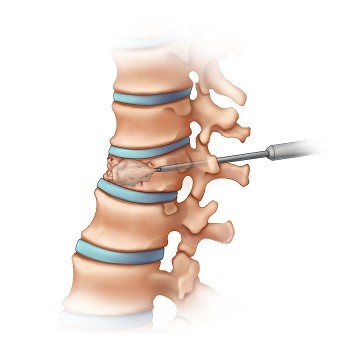
- Radiofrequency ablation (RFA) guided by advanced imaging such as CT scan
Minimally Invasive Treatment: RFA
Radiofrequency ablation (RFA) is an effective method that avoids traditional open surgery.
How does it work?
- A special electrode is inserted into the tumor’s nidus under advanced imaging guidance.
- Radio waves are used to heat the nidus until it is destroyed.
Advantages of RFA:
- Shorter recovery period
- Minimal side effects
- Minimally invasive procedure
Preoperative preparation:
- Fasting for about six hours before the procedure
- Bringing medical records
- Performing blood clotting tests
RFA generally requires general anesthesia because the high temperatures generated are otherwise intolerable.
Comparison Between Open Surgery and Minimally Invasive Techniques
| Feature | Open Surgery | Minimally Invasive (RFA) |
|---|---|---|
| Recovery time | Longer | Shorter |
| Side effects | More common | Fewer |
| Surgical access | More limited | Easier |
Traditional open surgery often involves removing part of the surrounding bone tissue for better access, which increases the risk of postoperative pathological fractures. Recovery also takes longer, as the affected limb may need to be immobilized in a cast for a significant time.
In contrast, minimally invasive methods such as RFA not only shorten recovery time but also reduce complication risks, since only a small hole is made, which heals faster.
Challenges and Future Research
Although minimally invasive treatments are highly effective, challenges remain:
- High cost of advanced equipment
- Limited access to some anatomical locations
- Requirement for advanced expertise in interventional imaging
With technological progress, new tools are expected to overcome some of these challenges. For example, the development of automated navigation systems may improve precision, or devices capable of withstanding higher temperatures could enhance effectiveness.
Research is also ongoing into new injectable materials that could directly target tumor cells, potentially offering an alternative to thermal ablation in the future.
Conclusion
Based on the above, it is clear that minimally invasive treatments—especially RFA—play a crucial role in the management of patients with osteoid osteoma. These methods not only shorten recovery time but also lower the risks associated with open surgery, making them an important option in modern orthopedic practice.