PRT and Ozone Therapy: Modern Approaches in Pain Management with Interventional Radiology
Chronic pain, particularly pain associated with the spine and joints, is a common problem that can significantly affect quality of life. In recent years, minimally invasive methods such as Prolotherapy (PRT) and Ozone Therapy have emerged as effective options for managing such pain. These treatments are performed with the aid of Interventional Radiology techniques and are aimed at reducing pain, improving function, and stimulating the repair of damaged tissues. This article explores PRT and Ozone Therapy in detail, including their procedures, benefits, drawbacks, and the role of Interventional Radiology in these therapies.
What is Prolotherapy (PRT)?
Prolotherapy, also called PRT, is a treatment in which an irritating solution (usually containing dextrose or other agents) is injected into injured tissues. The injection stimulates the body’s natural inflammatory and healing processes to strengthen weakened or damaged structures such as ligaments, tendons, and joints. PRT is commonly used to treat chronic pain resulting from soft tissue injuries, osteoarthritis, and spinal problems.
What is Ozone Therapy?
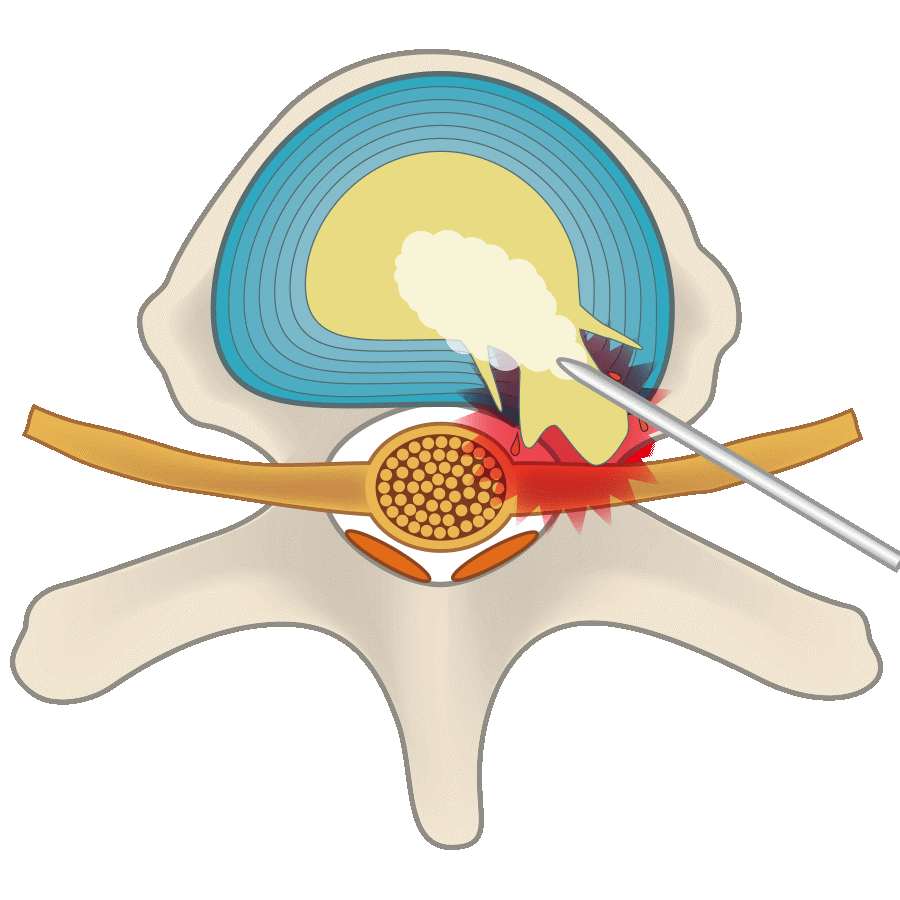
Ozone Therapy is a treatment method in which ozone gas (O₃) is injected into damaged tissues. Ozone has anti-inflammatory, antibacterial, and tissue-repair–stimulating properties. It is often used for chronic pain, joint inflammation, herniated discs, and other soft tissue or joint conditions. Ozone Therapy can be performed alone or combined with other treatments such as PRT.
The Role of Interventional Radiology in PRT and Ozone Therapy
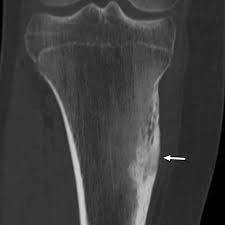
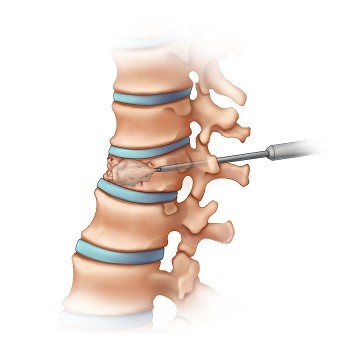
Interventional Radiology is a medical specialty that uses imaging techniques to precisely guide minimally invasive treatments. In PRT and Ozone Therapy, the interventional radiologist uses advanced imaging such as fluoroscopy (a type of X-ray) or ultrasound to accurately guide the procedure. This ensures that the injected solution or gas is delivered directly and safely to the target tissue, minimizing the risk of injury to surrounding structures.
Steps of PRT and Ozone Therapy
Both procedures are usually performed in a doctor’s office or an Interventional Radiology unit and typically follow these steps:
- Patient preparation:
The patient lies on the examination table. Local anesthesia may be applied to reduce pain and discomfort. - Imaging guidance:
Using fluoroscopy, ultrasound, or CT scan, the radiologist identifies the precise location of the injured tissue and plans the needle pathway. - Injection:
- In PRT, a stimulating solution (such as dextrose) is injected.
- In Ozone Therapy, ozone gas is injected into the tissue or joint.
The radiologist monitors the distribution of the solution or gas in real-time using imaging.
- Completion:
After the injection, the needle is removed and the entry site is bandaged. The entire procedure usually takes 15–30 minutes.
Benefits of PRT and Ozone Therapy
As minimally invasive procedures, both methods offer several advantages over traditional surgery:
- Pain relief: Both approaches significantly reduce pain from inflammation and tissue damage. Many patients report immediate improvement.
- Short recovery time: Since no large incisions or hospital stays are required, patients can usually return home within hours and resume daily activities quickly.
- Reduced surgical risks: Unlike traditional surgeries, these treatments carry minimal risks of infection, bleeding, or damage to surrounding tissues.
- Tissue repair stimulation:
- PRT promotes healing by triggering inflammatory and regenerative processes.
- Ozone Therapy enhances oxygen delivery and reduces inflammation, supporting tissue repair.
Limitations and Drawbacks
Despite their benefits, PRT and Ozone Therapy also have some limitations:
- Multiple sessions may be required to achieve optimal results.
- Variable effectiveness: Outcomes differ among patients; some may experience significant improvement, while others may respond less.
- Possible side effects: Rarely, patients may experience temporary injection-site pain, infection, or allergic reactions.
Indications for PRT and Ozone Therapy
These treatments are commonly used for:
- Chronic spinal pain: Especially for herniated discs, osteoarthritis, ligament, and tendon injuries.
- Arthritis and joint inflammation: To reduce pain and improve joint function.
- Sports injuries: Effective in treating ligament and tendon strains caused by physical activity.
Post-Treatment Care
Following PRT or Ozone Therapy, patients should follow specific care guidelines to ensure proper recovery:
- Short rest period: Patients usually rest for a few hours but can return home the same day.
- Monitor symptoms: Signs such as fever, severe pain, or swelling at the injection site should be reported immediately.
- Physiotherapy: May be recommended to restore mobility and strengthen muscles.
- Avoid strenuous activities: Patients should refrain from heavy physical exertion for several days after treatment.
Conclusion
PRT and Ozone Therapy are effective, minimally invasive methods that have gained importance in treating chronic pain and tissue injuries. By reducing pain, improving function, and stimulating tissue repair, they represent valuable alternatives for many patients. However, the decision to use these treatments should be based on the patient’s condition, type of injury, and specialist recommendations. With precise imaging guidance, Interventional Radiology plays a key role in ensuring the success of these therapies and helping patients achieve a better quality of life.