Kidney Biopsy: A Diagnostic Procedure for Kidney Diseases
A kidney biopsy is a medical procedure that involves taking a small sample of kidney tissue for microscopic examination to diagnose kidney diseases. This method helps physicians identify the cause of kidney problems and prescribe appropriate treatments. In this article, we will explore the details of kidney biopsy, its types, procedure steps, benefits, and potential complications.
—
### What is a Kidney Biopsy?
A kidney biopsy involves the removal of a small sample of kidney tissue, typically performed to diagnose kidney diseases and abnormalities. This procedure can be conducted using either an open or closed method and provides valuable information about the health of the kidneys.
—
### Reasons for Performing a Kidney Biopsy
A kidney biopsy is usually recommended in the following cases:
1. **Diagnosis of Kidney Diseases**: To identify conditions such as glomerulonephritis, autoimmune diseases, or acute infections.
2. **Evaluation of Kidney Failure**: To determine the cause of acute or chronic kidney failure.
3. **Monitoring Treatment**: To assess the response to treatment in patients with kidney diseases.
4. **Diagnosis of Kidney Tumors**: To determine the type and stage of suspected kidney tumors.
—
### Types of Kidney Biopsy
Kidney biopsies are divided into two main types:
1. **Percutaneous Biopsy**:
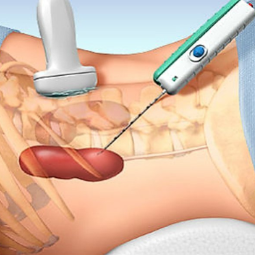
This is the most common method, performed using a specialized needle guided by ultrasound or CT scan. The needle is inserted through the skin to collect a sample of kidney tissue.
2. **Open Biopsy**:
This method is used in specific cases requiring direct access to the kidney. It involves surgery and may be performed under general anesthesia.
—
### Kidney Biopsy Procedure
The kidney biopsy process typically includes the following steps:
1. **Patient Preparation**:
The physician explains the procedure and potential risks to the patient. Blood tests and imaging may be required beforehand.
2. **Local Anesthesia**:
For percutaneous biopsies, local anesthesia is used to minimize pain during the procedure.
3. **Tissue Sample Collection**:
Using a specialized needle, the physician collects a sample of kidney tissue. This step may take a few minutes.
4. **Post-Procedure Care**:
After the biopsy, the patient is monitored to ensure no complications arise. The patient may need to stay at the medical facility for a few hours.
—
### Benefits of Kidney Biopsy
Kidney biopsy offers several advantages, including:
– **More Accurate Diagnosis**: This method allows for precise identification of kidney diseases.
– **Treatment Planning**: The biopsy results help physicians select appropriate treatments.
– **Monitoring Patient Progress**: Biopsy results enable physicians to track the patient’s condition and make necessary adjustments to treatment.
—
### Potential Complications of Kidney Biopsy
Although kidney biopsy is a relatively safe procedure, some potential complications may include:
– **Pain at the Biopsy Site**: Some patients may experience mild pain after the procedure.
– **Bleeding**: Internal or external bleeding may occur.
– **Infection**: There is a risk of infection at the needle insertion site.
– **Damage to Surrounding Tissues**: In rare cases, damage to surrounding tissues or organs may occur.
—
### Conclusion
Kidney biopsy is a critical tool in the diagnosis and treatment of kidney diseases. By providing detailed information about the kidney tissue, this procedure helps physicians make more effective treatment decisions. While it carries some risks, like any medical procedure, its benefits generally outweigh the potential complications. Patients should consult their physician before undergoing the procedure and address any questions to make informed decisions.
—
### Frequently Asked Questions About Kidney Biopsy
**How is a kidney biopsy performed?**
A kidney biopsy is typically performed using a specialized needle guided by ultrasound or CT scan. The needle is inserted through the skin to collect a sample of kidney tissue for microscopic examination.
**Is a kidney biopsy painful?**
The procedure is usually performed under local anesthesia, making the pain minimal and tolerable. Some patients may experience mild discomfort at the biopsy site afterward.
**How does a kidney biopsy differ from other kidney diagnostic methods?**
A kidney biopsy involves collecting a tissue sample for precise diagnosis of kidney diseases, while other methods, such as blood tests or imaging, only help identify kidney issues without providing a definitive diagnosis.
**Does a kidney biopsy leave anything in the body?**
No, nothing remains in the body after a kidney biopsy. The needle used for sampling is removed once the tissue is collected.
**Does a kidney biopsy improve the accuracy of diagnosing kidney diseases?**
Yes, by providing a precise sample of kidney tissue, a biopsy enables physicians to make more accurate diagnoses and develop appropriate treatment plans, especially for complex kidney diseases.
**If you have any questions about kidney biopsy or would like to schedule a consultation with Dr. Alireza Abrishami, please visit the *Contact Us* page.**