Varicocele
Varicocele: Causes, Symptoms, Diagnosis, and Treatment Options
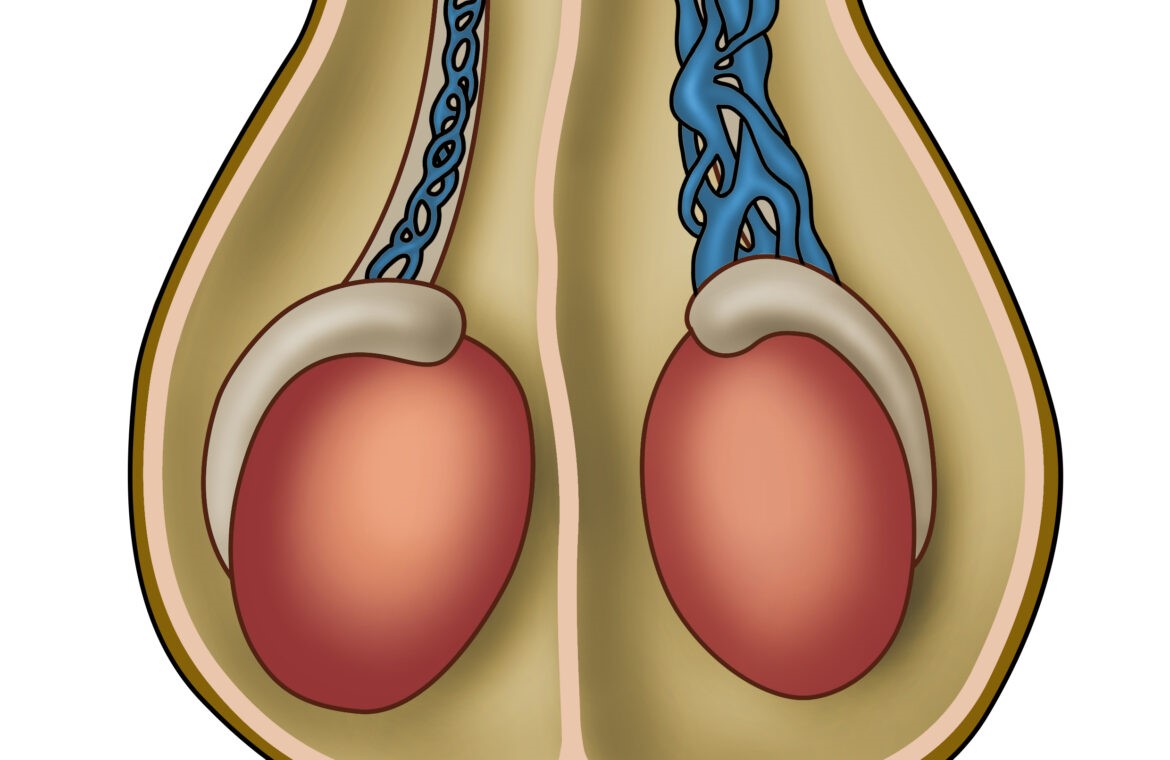
Varicocele is one of the most common causes of male infertility and is defined as the abnormal enlargement and twisting of the veins in the testicles (pampiniform plexus). It is similar to varicose veins in the legs and usually occurs in the left testicle, although it can affect both sides. Varicocele can impact sperm quality and male hormone production, potentially leading to infertility.
In this article, we will review the causes, symptoms, diagnostic methods, and treatment options for varicocele.
Causes of Varicocele
Varicocele occurs due to malfunction of the valves in the testicular veins. Normally, these valves prevent blood from flowing backward, but when they fail, blood pools in the veins, causing them to dilate and twist. Factors contributing to varicocele include:
- Anatomical factors: Differences in the anatomy of the left and right testicular veins make varicocele more common on the left side. The left testicular vein is longer and drains at a sharper angle into the renal vein, which increases pressure.
- Abdominal pressure: Increased abdominal pressure from obesity, chronic constipation, or heavy lifting may raise the risk of varicocele.
- Genetic factors: Some studies suggest that genetic predisposition may play a role in the development of varicocele.
Symptoms of Varicocele
Varicocele may be asymptomatic and discovered incidentally during medical examinations. However, possible symptoms include:
- Pain or discomfort: This can range from a mild feeling of heaviness to severe pain, usually worsening with prolonged standing or physical activity and improving when lying down.
- Testicular swelling: Varicocele may cause enlargement or swelling of the testicle.
- Infertility: Varicocele is a leading cause of male infertility and can negatively affect sperm count and quality.
- Testicular atrophy: In advanced cases, varicocele may cause testicular shrinkage (atrophy).
Diagnosis of Varicocele
Diagnosis typically begins with a physical examination. The physician may feel dilated or swollen veins in the scrotum. To confirm diagnosis and assess severity, imaging tests may be used:
- Ultrasound: Testicular ultrasound can measure dilated veins and assess blood flow.
- Doppler ultrasound: Helps evaluate venous blood flow and detect valve insufficiency.
- Venography: In rare cases, venography (contrast dye injection into the veins) may be performed for detailed evaluation.
Treatment Options for Varicocele
Treatment depends on symptom severity, patient age, and fertility goals. If varicocele is asymptomatic and does not affect fertility, treatment may not be necessary. However, treatment is required in cases of pain, infertility, or testicular atrophy.
1. Varicocelectomy Surgery
Varicocelectomy is the most common treatment for varicocele. In this procedure, the dilated veins are tied off or removed to restore normal blood flow. Surgical techniques include:
- Open surgery: A small incision is made in the groin or abdomen to ligate or remove the dilated veins.
- Laparoscopy: Using small instruments and a camera, the dilated veins are sealed through small abdominal incisions.
- Microsurgery: A microscope is used to precisely ligate the veins while avoiding damage to surrounding structures.
2. Varicocele Embolization
Embolization is a minimally invasive procedure where a catheter is used to inject embolic material into the dilated veins, blocking them. This is usually done under local anesthesia and does not require general anesthesia.
Advantages and Disadvantages of Treatment Methods
- Varicocelectomy (surgery): Effective with long-term results, but carries risks such as infection, bleeding, or injury to nearby structures.
- Embolization: Minimally invasive with shorter recovery time, but in some cases, retreatment may be required.
Conclusion
Varicocele is a common condition in men that can cause pain, infertility, and testicular atrophy. Timely diagnosis and appropriate treatment can improve quality of life and fertility outcomes. Treatment options such as varicocelectomy and embolization are effective choices depending on the patient’s condition. Ultimately, the choice of treatment should be made in consultation with a specialist based on individual factors.
With ongoing advances in medicine, new treatment methods may further improve outcomes and reduce side effects in varicocele patients.
Frequently Asked Questions about Varicocele
Does varicocele always cause infertility?
No, varicocele does not always result in infertility, but it can reduce sperm quality and increase the risk.
Which treatment method is better for varicocele?
Treatment choice depends on disease severity, patient age, and fertility goals. Microsurgical varicocelectomy is among the most effective techniques.
Can varicocele be treated without surgery?
Yes, in mild or asymptomatic cases, no surgery is needed. Embolization is also a non-surgical option.
What is the recovery time after varicocele treatment?
Recovery is typically 2–5 days after minimally invasive procedures like embolization and 7–10 days after open surgery.
Can varicocele recur?
Yes, recurrence can occur, especially after incomplete treatment, and may require retreatment.
If you have questions about varicocele or would like to book a consultation with Dr. Alireza Abrishami, please visit our Contact Us page.