Adrenal Biopsy: A Key Diagnostic Tool for Adrenal Gland Disorders
Adrenal biopsy is a medical procedure that involves taking a small sample of tissue from the adrenal glands to diagnose diseases or abnormalities affecting these glands. Located above each kidney, the adrenal glands play a critical role in hormone production, and their dysfunction can lead to serious health issues. This article provides a comprehensive overview of adrenal biopsy, including its indications, procedure, advantages, potential complications, and post-procedure care.
Understanding the Adrenal Glands
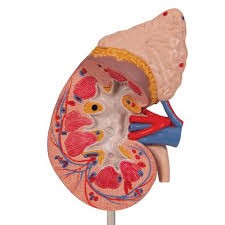
The adrenal glands are two small, triangular-shaped endocrine glands situated on top of each kidney. Each gland consists of two parts: the outer adrenal cortex, which produces hormones like cortisol (regulating metabolism and stress response) and aldosterone (controlling blood pressure), and the inner adrenal medulla, which secretes catecholamines like adrenaline and noradrenaline (involved in the fight-or-flight response). These hormones are essential for maintaining metabolic balance, responding to stress, and regulating cardiovascular function. Abnormalities in the adrenal glands, such as tumors or hormonal imbalances, can lead to conditions like Cushing’s syndrome, Addison’s disease, or adrenal cancer, necessitating diagnostic procedures like biopsy.
Indications for Adrenal Biopsy
Adrenal biopsy is typically recommended when there is suspicion of adrenal gland pathology that requires tissue confirmation. Common reasons include:
- Diagnosis of Adrenal Tumors: To determine whether a detected mass is benign (e.g., adenoma) or malignant (e.g., adrenocortical carcinoma or metastasis from another cancer).
- Evaluation of Hormonal Abnormalities: When blood tests show abnormal hormone levels (e.g., elevated cortisol or catecholamines) that suggest conditions like pheochromocytoma, primary aldosteronism, or Cushing’s syndrome.
- Investigation of Autoimmune Diseases: To assess conditions like Addison’s disease, where the adrenal glands are damaged by autoimmune processes.
- Monitoring Treatment Response: To evaluate the effectiveness of treatment in patients with known adrenal tumors or to check for recurrence.
- Suspicious Imaging Findings: When imaging (e.g., CT, MRI, or PET scans) reveals adrenal masses with unclear characteristics, such as indeterminate nodules larger than 1 cm.
Adrenal biopsy is not always the first step, as non-invasive tests (e.g., hormone assays, imaging) are often sufficient for diagnosis. However, when these tests are inconclusive, biopsy provides definitive histopathological information.
Procedure for Adrenal Biopsy
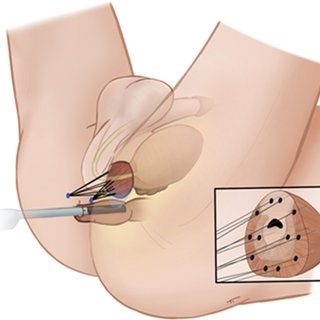
Adrenal biopsy is typically performed under imaging guidance to ensure precision and safety, given the adrenal glands’ small size and proximity to vital structures like the kidneys, liver, and major blood vessels. The procedure can be open (surgical) or percutaneous (needle-based), with the latter being more common due to its minimally invasive nature. The steps include:
- Patient Preparation: The physician explains the procedure, benefits, and risks to the patient. Pre-procedure evaluations include blood tests (e.g., coagulation profile to assess bleeding risk, kidney function), imaging (CT or ultrasound to locate the adrenal mass), and a review of medications. Patients are typically advised to stop blood thinners (e.g., aspirin, warfarin) 3-5 days prior, if safe, and fast for 6-8 hours before the procedure.
- Anesthesia: Percutaneous adrenal biopsies are usually performed under local anesthesia with mild sedation to minimize discomfort. General anesthesia may be used for open biopsies or in complex cases involving anxious patients or large tumors.
- Guided Needle Insertion: Using real-time imaging (ultrasound, CT, or fluoroscopy), the interventional radiologist inserts a thin biopsy needle (typically 18-22 gauge) through the skin, often via a posterior approach (through the back) to reach the adrenal gland. The imaging ensures the needle avoids critical structures like the lungs, kidneys, or major vessels.
- Tissue Sampling: Once the needle reaches the target area, a small tissue sample is collected using a core needle (for larger samples) or fine-needle aspiration (for cellular analysis). Multiple samples may be taken to ensure adequate material for pathology. Patients may feel mild pressure or discomfort during this step, which lasts a few minutes.
- Post-Procedure Monitoring: After the biopsy, the needle is removed, and the insertion site is bandaged. Patients are monitored for 4-6 hours to check for complications like bleeding or pneumothorax (collapsed lung, if near the diaphragm). Most patients are discharged the same day, though some may require overnight observation for complex cases.
The entire procedure typically takes 30-60 minutes, depending on the number of samples and the complexity of the adrenal mass.
Advantages of Adrenal Biopsy
Adrenal biopsy offers several key benefits, making it a valuable diagnostic tool:
- Accurate Diagnosis: Provides histopathological confirmation of adrenal pathology, distinguishing between benign and malignant lesions or identifying specific conditions like pheochromocytoma.
- Guides Treatment Planning: Tissue analysis helps determine the tumor’s nature (e.g., benign adenoma vs. metastatic cancer), enabling tailored treatment strategies, such as surgery, chemotherapy, or observation.
- Minimally Invasive: Percutaneous biopsy avoids large incisions, reducing trauma compared to open surgical biopsy.
- Short Recovery Time: Most patients resume light activities within 24-48 hours, with full recovery in 3-5 days, compared to weeks for surgical biopsy.
- High Diagnostic Yield: When guided by advanced imaging, biopsy achieves diagnostic accuracy in 80-90% of cases, per studies in Radiology (2020).
Potential Complications of Adrenal Biopsy
While adrenal biopsy is generally safe, with complication rates below 3-5% in experienced centers, potential risks include:
- Pain at the Biopsy Site: Mild to moderate discomfort at the needle insertion site or referred pain to the shoulder (due to diaphragmatic irritation) is common but typically resolves within days.
- Bleeding: The adrenal glands are highly vascular, increasing the risk of hematoma or internal bleeding (1-2% incidence). Careful patient selection and coagulation screening minimize this risk.
- Infection: Rare but possible at the puncture site or within the adrenal gland, particularly in immunocompromised patients. Prophylactic antibiotics may be used.
- Pneumothorax: If the needle trajectory is near the lung (common in posterior approaches), there’s a small risk (1-3%) of lung collapse, requiring chest tube placement in severe cases.
- Adrenal Crisis: In patients with underlying adrenal insufficiency (e.g., Addison’s disease), biopsy may trigger a rare but serious hormonal crisis, necessitating immediate steroid administration.
- Non-Diagnostic Results: In 5-10% of cases, the sample may not yield enough tissue or may miss the target lesion, requiring repeat biopsy or alternative diagnostics.
Patients with conditions like uncontrolled hypertension (common in pheochromocytoma) require pre-procedure stabilization with alpha-blockers to prevent catecholamine surges during biopsy.
Post-Procedure Care and Recovery
Proper post-procedure care is essential to ensure optimal recovery and detect complications early:
- Immediate Monitoring: Patients are observed for 4-6 hours post-biopsy, with vital signs checked regularly. The puncture site is monitored for swelling or bleeding, and imaging (e.g., ultrasound) may be used to rule out hematoma.
- Activity Restrictions: Avoid strenuous activities, heavy lifting, or bending for 48-72 hours. Light activities can resume within 24 hours, but full recovery may take 3-5 days.
- Pain Management: Over-the-counter pain relievers (e.g., acetaminophen) are usually sufficient. Avoid NSAIDs initially, as they may increase bleeding risk.
- Follow-Up: A follow-up visit within 1-2 weeks reviews pathology results, typically available in 3-7 days. Additional imaging (e.g., CT or MRI) may be scheduled at 1-3 months to monitor the adrenal gland or assess treatment response.
- Warning Signs: Patients should immediately report symptoms like severe pain, fever (>100.4°F/38°C), shortness of breath, persistent bleeding, or signs of adrenal crisis (e.g., severe fatigue, low blood pressure).
Most patients experience minimal discomfort and return to normal activities quickly, with significant diagnostic insights guiding their treatment.
Comparison with Other Diagnostic Methods
Adrenal biopsy is often compared to non-invasive diagnostics or surgical approaches:
| Feature | Adrenal Biopsy | Imaging (CT/MRI) | Hormonal Testing |
|---|---|---|---|
| Invasiveness | Minimally invasive | Non-invasive | Non-invasive |
| Diagnostic Accuracy | 80-90% (tissue-based) | 60-80% (imaging-based) | 70-90% (hormone-based) |
| Recovery Time | 1-5 days | None | None |
| Risks | Bleeding, pneumothorax | Radiation exposure | None |
| Specificity | High (histopathology) | Moderate (indeterminate masses) | High for functional tumors |
- Imaging (CT/MRI): Non-invasive but often inconclusive for indeterminate masses (30-40% of adrenal incidentalomas). Biopsy provides definitive tissue diagnosis.
- Hormonal Testing: Blood or urine tests (e.g., cortisol, metanephrines) detect functional tumors but cannot confirm malignancy.
- Surgical Biopsy: Open or laparoscopic adrenalectomy is more invasive, with higher risks (5-10% complication rate) and longer recovery (2-6 weeks).
Biopsy is reserved for cases where imaging and hormonal tests are inconclusive, balancing diagnostic certainty with minimal invasiveness.
Historical Context and Advances in Adrenal Biopsy
Adrenal biopsy emerged in the 1980s with the advent of CT-guided needle procedures, building on earlier interventional radiology techniques for abdominal organs. Early challenges included high complication rates (10-15%) due to limited imaging resolution. The introduction of real-time ultrasound and cone-beam CT in the 2000s reduced risks to under 5%. Modern micro-needles and automated biopsy guns further improve sample quality, while AI-assisted imaging is being explored to enhance targeting accuracy. These advances have made adrenal biopsy a standard tool for evaluating adrenal masses, particularly in tertiary care centers.
Other Conditions Requiring Similar Biopsy Techniques
Adrenal biopsy shares techniques with other image-guided biopsies, such as:
- Liver Biopsy: For diagnosing tumors or hepatitis, using similar CT/ultrasound guidance.
- Renal Biopsy: To evaluate kidney tumors or glomerulonephritis, with comparable needle-based approaches.
- Lung Biopsy: For lung nodules, though with higher pneumothorax risk due to proximity to the pleural space.
These procedures highlight the versatility of interventional radiology in providing minimally invasive diagnostics across organ systems.
Conclusion
Adrenal biopsy is a vital diagnostic tool for evaluating adrenal gland disorders, offering high accuracy in detecting tumors, hormonal abnormalities, and autoimmune conditions. Its minimally invasive nature, short recovery time, and ability to guide precise treatment plans make it invaluable in modern medicine. While risks like bleeding or infection exist, they are rare and manageable with proper care. As imaging and biopsy technologies continue to advance, adrenal biopsy will remain a cornerstone of endocrine diagnostics, improving patient outcomes. Patients considering this procedure should consult an interventional radiologist or endocrinologist to discuss its suitability and address any concerns.
Frequently Asked Questions About Adrenal Biopsy
- What is an adrenal biopsy? An adrenal biopsy is a minimally invasive procedure that collects a tissue sample from the adrenal glands to diagnose diseases or abnormalities, such as tumors or hormonal disorders.
- Why is an adrenal biopsy performed? It is performed to diagnose adrenal tumors, evaluate hormonal abnormalities, investigate autoimmune diseases (e.g., Addison’s or Cushing’s syndrome), or monitor treatment response.
- What are the steps of an adrenal biopsy? The procedure involves patient preparation, local or general anesthesia, image-guided needle insertion, tissue sampling, and post-procedure monitoring.
- What are the potential complications of adrenal biopsy? Complications may include pain, bleeding, infection, pneumothorax, or, rarely, adrenal crisis, though these are uncommon with proper technique.
- What are the advantages of adrenal biopsy? Advantages include accurate diagnosis, minimal invasiveness, short recovery time, and improved treatment planning, enabling rapid return to daily activities.
If you have any questions about adrenal biopsy or would like to schedule a consultation with Dr. Alireza Abrishami, please visit the Contact Us page.