Bladder Embolization: A Minimally Invasive Approach to Treating Bladder Conditions
Bladder embolization is an advanced medical procedure used to address various bladder-related issues, particularly abnormal bleeding, tumors, and vascular malformations. As a minimally invasive treatment option, it offers significant benefits in controlling symptoms and improving patients’ quality of life. This article provides a comprehensive overview of bladder embolization, including its definition, indications, procedure, advantages, potential complications, and post-procedure care.
What is Bladder Embolization?
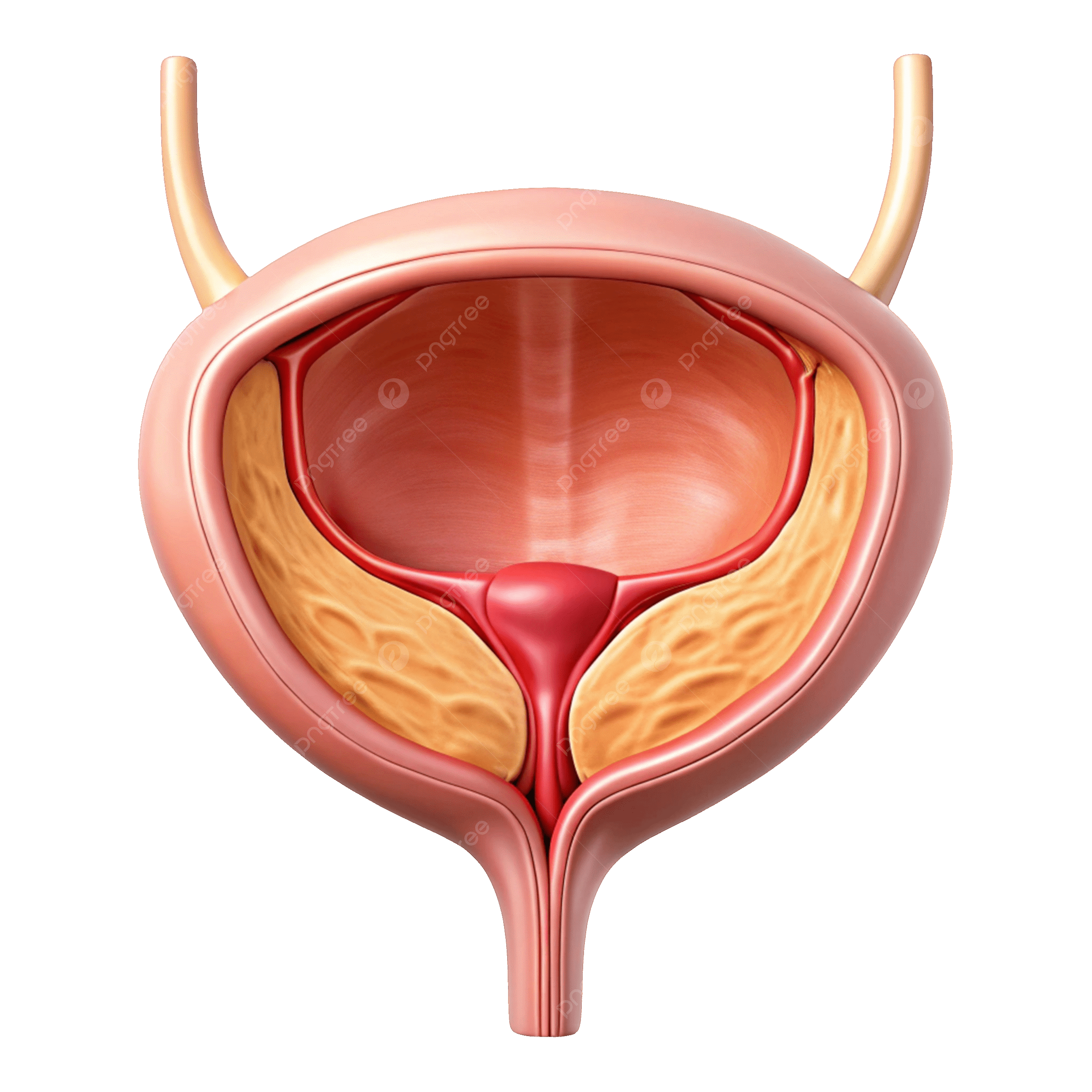
Bladder embolization is a medical procedure that involves intentionally blocking specific blood vessels to reduce or stop blood flow to a targeted area of the bladder. This technique is commonly used to manage conditions such as uncontrollable bladder bleeding (hematuria), benign or malignant tumors, and vascular abnormalities. Performed under the guidance of interventional radiology, bladder embolization can serve as a standalone treatment or as an adjunct to other therapies like surgery or radiation, minimizing the need for more invasive interventions.
Indications for Bladder Embolization
Bladder embolization is indicated in the following scenarios:
- Control of Abnormal Bleeding: Severe or persistent hematuria, often caused by tumors, infections, trauma, or radiation cystitis, is one of the primary reasons for bladder embolization.
- Treatment of Bladder Tumors: Embolization can reduce the size of benign (e.g., angiomyolipomas) or malignant tumors, alleviating symptoms like pain or urinary obstruction.
- Management of Vascular Malformations: Abnormal blood vessel formations (e.g., arteriovenous malformations) in the bladder that cause bleeding or other complications can be treated with embolization.
- Pre-Surgical Preparation: Embolization may be performed before major bladder surgery to reduce intraoperative bleeding risks.
- Palliative Care: In advanced bladder cancer, embolization can help control symptoms like bleeding or pain when curative treatment is not feasible.
Procedure for Bladder Embolization
Bladder embolization is performed in a controlled setting, typically an interventional radiology suite, under imaging guidance. The procedure includes the following steps:
- Patient Preparation: The patient is informed about the procedure, its benefits, and potential risks. Pre-procedure evaluations may include blood tests (e.g., coagulation profile, kidney function), imaging studies (e.g., CT, MRI, or ultrasound), and a review of medical history. Patients may need to stop blood-thinning medications (e.g., aspirin, warfarin) several days prior and fast for 6-8 hours before the procedure.
- Anesthesia: Local anesthesia is typically used to numb the catheter insertion site, often in the groin (femoral artery). Mild sedation may be administered for patient comfort, though general anesthesia is rarely needed unless the patient is highly anxious or the procedure is complex.
- Catheter Insertion: Using fluoroscopy (real-time X-ray imaging), the interventional radiologist inserts a thin catheter (2-3 mm in diameter) through a small incision in the groin or, less commonly, the arm. The catheter is guided through the arterial system to the blood vessels supplying the bladder, typically branches of the internal iliac arteries (e.g., vesical arteries).
- Injection of Embolic Agents: Once the target vessels are identified, embolic agents—such as polyvinyl alcohol (PVA) particles, microspheres, gel foam, or liquid agents like ethanol—are injected through the catheter to block blood flow. The choice of agent depends on the condition (e.g., temporary vs. permanent occlusion) and the desired outcome. This step takes a few minutes and may cause mild discomfort or pressure.
- Post-Procedure Monitoring: After embolization, the catheter is removed, and the insertion site is compressed and bandaged to prevent bleeding. Patients are monitored for 4-6 hours to ensure no immediate complications, such as hematoma or allergic reactions to contrast agents. Most patients are discharged the same day, though some may require overnight observation.
The entire procedure typically lasts 1-2 hours, depending on the complexity and number of vessels targeted.
Advantages of Bladder Embolization
Bladder embolization offers several significant benefits, making it a preferred option in many cases:
- Minimally Invasive: Unlike open surgery, embolization requires only a small puncture, reducing trauma to the body and eliminating the need for large incisions.
- Short Recovery Time: Patients typically resume light activities within 1-2 days and full activities within a week, compared to weeks or months for surgical recovery.
- Effective Bleeding Control: Embolization can rapidly stop severe hematuria, preventing life-threatening blood loss and reducing the need for transfusions.
- Tumor Size Reduction: For both benign and malignant tumors, embolization can shrink lesions, alleviating symptoms like pain, urinary frequency, or obstruction.
- Reduced Surgical Risks: By controlling bleeding preoperatively, embolization lowers the risk of complications during subsequent surgeries.
- Repeatable Procedure: If needed, embolization can be performed multiple times with minimal additional risk, unlike repeated surgeries.
- Preservation of Bladder Function: By targeting only abnormal vessels, the procedure preserves healthy bladder tissue, maintaining urinary function.
Potential Complications of Bladder Embolization
While bladder embolization is generally safe, with complication rates below 5% in experienced centers, potential risks include:
- Pain at the Procedure Site: Mild to moderate pain at the catheter insertion site or bladder region is common but manageable with over-the-counter pain relievers like acetaminophen.
- Bleeding: Minor bleeding at the puncture site or internal hematomas may occur, though significant bleeding is rare (1-2% incidence).
- Infection: There is a low risk of infection at the insertion site or within the bladder, particularly in immunocompromised patients. Prophylactic antibiotics may be used.
- Non-Target Embolization: Inadvertent occlusion of non-target vessels could affect healthy tissues, potentially causing ischemia or necrosis, though advanced imaging minimizes this risk.
- Contrast Reactions: Allergic reactions to the iodinated contrast used in fluoroscopy are rare but possible, ranging from mild rash to anaphylaxis (0.1-0.5% incidence).
- Post-Embolization Syndrome: Some patients experience transient symptoms like fever, nausea, or fatigue due to tissue ischemia, typically resolving within days.
Patients with underlying conditions (e.g., diabetes, kidney disease) or complex vascular anatomy may face higher risks, necessitating careful pre-procedure evaluation.
Post-Procedure Care and Recovery
Post-embolization care is crucial to ensure optimal outcomes and minimize complications:
- Immediate Post-Procedure: Patients rest for 4-6 hours in a recovery area, with vital signs and the puncture site monitored. Ice packs may be applied to the groin to reduce swelling.
- First 48 Hours: Avoid strenuous activities, heavy lifting, or prolonged standing. Patients should stay hydrated to flush out contrast agents and monitor urine output for signs of hematuria or infection.
- Medication: Pain relievers (e.g., ibuprofen) are prescribed for discomfort. Antibiotics may be continued for 1-3 days if infection risk is high. Blood thinners can usually resume within 24-48 hours, per physician guidance.
- Follow-Up: A follow-up visit within 1-2 weeks assesses symptom relief and checks for complications. Imaging (e.g., ultrasound or CT) may be performed at 1-3 months to evaluate the treated area. Long-term monitoring is critical for tumor-related cases to assess recurrence or progression.
- Warning Signs: Patients should report severe pain, fever (>100.4°F/38°C), persistent bleeding, swelling, or changes in urination (e.g., inability to void) immediately, as these may indicate complications like infection or vessel injury.
Most patients experience symptom improvement within days, with maximum benefits (e.g., reduced hematuria or tumor-related pain) seen within 1-2 weeks.
Comparison with Other Treatments
Bladder embolization is often compared to alternative treatments for conditions like hematuria or tumors:
| Feature | Bladder Embolization | Surgery (e.g., Cystectomy) | Radiation Therapy |
|---|---|---|---|
| Invasiveness | Minimal (catheter-based) | High (open or laparoscopic) | Non-invasive |
| Recovery Time | 1-7 days | 4-8 weeks | Variable (weeks) |
| Efficacy for Bleeding | 80-90% success | 90-95% | 70-80% |
| Risk Profile | Low (1-5% complications) | Moderate (10-20%) | Moderate (radiation cystitis) |
| Cost (Approximate) | $5,000-15,000 | $20,000-50,000 | $10,000-30,000 |
| Repeatability | High (if needed) | Limited | Limited (cumulative dose) |
- Surgery: Partial or total cystectomy (bladder removal) is highly effective but invasive, with longer recovery and risks like incontinence or sexual dysfunction.
- Radiation: Often used for bladder cancer, it controls bleeding but can cause long-term complications like radiation cystitis (20-30% incidence).
- Medical Management: For mild hematuria, bladder irrigation or medications (e.g., tranexamic acid) may suffice but are less effective for severe cases.
Embolization bridges the gap, offering high efficacy with minimal invasiveness, making it ideal for patients unsuitable for surgery or those seeking symptom control without extensive intervention.
Historical Context and Advances in Embolization
Embolization techniques originated in the 1970s, initially for gastrointestinal bleeding, pioneered by radiologists like Charles Dotter. The advent of digital subtraction angiography in the 1980s and microcatheters in the 1990s revolutionized the field, enabling precise vascular interventions. For bladder conditions, embolization gained traction in the 2000s, particularly for radiation-induced hematuria and inoperable tumors. Modern advancements include:
- 3D Imaging: Cone-beam CT and fusion imaging enhance vessel targeting, reducing non-target embolization risks.
- Biodegradable Embolics: New agents that dissolve over time may reduce long-term complications.
- AI Guidance: Machine learning algorithms are being tested to optimize catheter navigation and predict outcomes.
These innovations have lowered complication rates to under 3% in high-volume centers and expanded embolization’s role in urology.
Other Conditions Treated with Similar Embolization Techniques
Bladder embolization shares principles with other embolization procedures, such as:
- Uterine Fibroid Embolization (UFE): Used for benign uterine tumors, with 85-90% symptom relief.
- Renal Artery Embolization: For kidney tumors or bleeding (e.g., angiomyolipomas).
- Pelvic Congestion Syndrome: Embolization of ovarian or pelvic veins to relieve chronic pelvic pain.
These procedures highlight the versatility of embolization in managing hypervascular conditions across organ systems, with shared techniques like catheter-based delivery and fluoroscopic guidance.
Conclusion
Bladder embolization is a powerful, minimally invasive tool for managing complex bladder conditions, including severe hematuria, tumors, and vascular malformations. By precisely targeting abnormal blood vessels, it offers rapid symptom relief, reduces tumor size, and minimizes the need for invasive surgeries, all with a short recovery period. While risks like pain, bleeding, or infection exist, they are rare and manageable with proper care. As interventional radiology continues to advance, bladder embolization is poised to become a cornerstone of urologic care, offering patients improved quality of life with fewer complications. Patients considering this procedure should consult an interventional radiologist to evaluate its suitability based on their condition and medical history.
Frequently Asked Questions About Bladder Embolization
- What is bladder embolization? Bladder embolization is a minimally invasive procedure that blocks specific blood vessels to reduce or stop blood flow to problematic areas in the bladder, used for controlling bleeding, treating tumors, or managing vascular abnormalities.
- Why is bladder embolization performed? It is performed to control abnormal bleeding (hematuria), shrink bladder tumors, treat vascular malformations, or reduce surgical risks by minimizing intraoperative bleeding.
- What are the steps of bladder embolization? The procedure involves patient preparation, local or general anesthesia, catheter insertion into target blood vessels, injection of embolic agents, and post-procedure monitoring.
- What are the potential complications of bladder embolization? Complications may include pain at the procedure site, minor bleeding, infection, non-target embolization, or reactions to contrast agents or embolic materials.
- What are the advantages of bladder embolization? Advantages include its minimally invasive nature, short recovery time, effective control of bleeding, tumor size reduction, and reduced need for major surgery, improving patient outcomes.
If you have any questions about bladder embolization or would like to schedule a consultation with Dr. Alireza Abrishami, please visit the Contact Us page.
تعریف آمبولیزاسیون مثانه
آمبولیزاسیون یک روش پزشکی است که در آن عروق خونی خاصی مسدود میشوند تا جریان خون به ناحیهای خاص کاهش یابد یا قطع شود. در مورد مثانه، این روش معمولاً برای کنترل خونریزیها یا درمان تومورهای خوشخیم و بدخیم انجام میشود. آمبولیزاسیون میتواند به عنوان یک درمان مستقل یا در کنار سایر روشهای درمانی مانند جراحی یا رادیوتراپی استفاده شود.
دلایل انجام آمبولیزاسیون مثانه
آمبولیزاسیون مثانه معمولاً در موارد زیر انجام میشود:
1. کنترل خونریزی: یکی از شایعترین دلایل انجام این روش، کنترل خونریزیهای غیرطبیعی از مثانه است. این خونریزیها ممکن است ناشی از تومورها، عفونتها یا آسیبهای دیگر باشد.
2. درمان تومورهای مثانه: آمبولیزاسیون میتواند به کاهش اندازه تومورهای خوشخیم یا بدخیم کمک کند و بهبود علائم بیمار را تسهیل کند.
3. ناهنجاریهای عروقی: در برخی موارد، ناهنجاریهای عروقی که باعث خونریزی از مثانه میشوند، نیاز به درمان دارند.
4. پیشگیری از عوارض جراحی: در برخی موارد، آمبولیزاسیون میتواند قبل از جراحی بزرگتر انجام شود تا خطر خونریزی در حین عمل کاهش یابد.
مراحل انجام آمبولیزاسیون مثانه
1. آمادهسازی بیمار
قبل از انجام آمبولیزاسیون، پزشک اطلاعات لازم را درباره روند کار و خطرات احتمالی به بیمار ارائه میدهد. ممکن است بیمار نیاز به انجام آزمایشهای اولیه مانند آزمایش خون و تصویربرداری داشته باشد.
2. بیحسی موضعی یا عمومی
بسته به شرایط بیمار و نوع آمبولیزاسیون، پزشک ممکن است از بیحسی موضعی یا عمومی استفاده کند. در بیشتر موارد، بیحسی موضعی کافی است.
3. ورود کاتتر
پزشک یک کاتتر نازک را از طریق یک رگ خونی (معمولاً در ناحیه کشاله ران) وارد بدن میکند و آن را به سمت عروق خونی که باید مسدود شوند هدایت میکند. این مرحله تحت هدایت تصویربرداری (مانند فلوروسکوپی) انجام میشود تا دقت بیشتری داشته باشد.
4. تزریق مواد آمبولیزان
پس از دسترسی به عروق هدف، پزشک مواد آمبولیزان (مانند ذرات کوچک پلاستیکی یا الکل) را تزریق میکند تا جریان خون به ناحیه مورد نظر قطع شود. این مرحله معمولاً چند دقیقه طول میکشد.
5. پایش پس از عمل
پس از اتمام عمل، بیمار تحت نظر قرار میگیرد تا اطمینان حاصل شود که هیچ عارضهای ایجاد نشده است. ممکن است بیمار نیاز به بستری شدن برای چند ساعت یا یک شب داشته باشد.
مزایای آمبولیزاسیون مثانه
– روش کمتهاجمی: آمبولیزاسیون نسبت به جراحی باز کمتر تهاجمی است و نیاز به برش بزرگ ندارد.
– دوره نقاهت کوتاه: بیماران معمولاً پس از عمل سریعتر به فعالیتهای روزمره خود بازمیگردند.
– کنترل مؤثر خونریزی: این روش میتواند به سرعت و مؤثر خونریزیهای غیرطبیعی را کنترل کند.
– کاهش اندازه تومور: در برخی موارد، آمبولیزاسیون میتواند اندازه تومورهای مثانه را کاهش دهد و علائم مرتبط با آنها را تسکین دهد.
عوارض احتمالی آمبولیزاسیون مثانه
اگرچه آمبولیزاسیون یک روش نسبتاً ایمن است، اما ممکن است برخی عوارض جانبی وجود داشته باشد:
– درد محل عمل: برخی بیماران ممکن است پس از عمل درد خفیفی احساس کنند.
– خونریزی: احتمال خونریزی داخلی یا خارجی وجود دارد.
– عفونت: مانند هر عمل پزشکی دیگری، خطر عفونت نیز وجود دارد.
– آسیب به بافتهای اطراف: در موارد نادر، ممکن است آسیب به بافتهای اطراف یا دیگر ارگانها ایجاد شود.
– عوارض ناشی از مواد آمبولیزان: در برخی موارد، واکنشهای نامطلوب نسبت به مواد تزریق شده ممکن است رخ دهد.
نتیجهگیری
آمبولیزاسیون مثانه یک ابزار مؤثر در درمان مشکلات مربوط به مثانه محسوب میشود. این روش با ارائه راهکارهایی برای کنترل خونریزیها و درمان تومورها، کیفیت زندگی بیماران را بهبود میبخشد. اگرچه مانند هر عمل پزشکی دیگری دارای خطراتی است، اما مزایای آن معمولاً بیشتر از خطرات احتمالی آن است. بیماران باید قبل از انجام این عمل با پزشک خود مشورت کرده و تمامی سوالات خود را مطرح کنند تا بهترین تصمیم را بگیرند.
با پیشرفت تکنولوژی پزشکی و افزایش دانش درباره روشهای کمتهاجمی مانند آمبولیزاسیون، بیماران اکنون گزینههای بیشتری برای درمان مشکلات خود دارند. این روش نه تنها باعث کاهش نیاز به جراحیهای بزرگتر میشود بلکه میتواند نتایج مثبت قابل توجهی برای بیماران رقم بزند. لذا اگر شما یا کسی که میشناسید نیازمند درمان مشکلات مربوط به مثانه هستید، مشاوره با پزشک متخصص برای بررسی گزینههای موجود بسیار مهم است
سوالات متداول در مورد آمبولیزاسیون مثانه
1. آمبولیزاسیون مثانه چیست؟
آمبولیزاسیون مثانه یک روش کمتهاجمی است که در آن عروق خونی خاصی مسدود میشوند تا جریان خون به ناحیهای خاص در مثانه کاهش یابد یا قطع شود. این روش برای کنترل خونریزیهای غیرطبیعی، درمان تومورها و ناهنجاریهای عروقی مثانه استفاده میشود.
2. دلایل انجام آمبولیزاسیون مثانه چیست؟
آمبولیزاسیون مثانه معمولاً برای کنترل خونریزیهای غیرطبیعی، درمان تومورهای مثانه (خوشخیم یا بدخیم)، درمان ناهنجاریهای عروقی و پیشگیری از عوارض جراحی انجام میشود.
3. مراحل انجام آمبولیزاسیون مثانه چگونه است؟
مراحل آمبولیزاسیون شامل آمادهسازی بیمار، بیحسی موضعی یا عمومی، ورود کاتتر به عروق خونی هدف، تزریق مواد آمبولیزان به عروق، و پایش پس از عمل است.
4. آیا آمبولیزاسیون مثانه عوارضی دارد؟
بله، این روش ممکن است عوارضی مانند درد محل عمل، خونریزی داخلی یا خارجی، عفونت، آسیب به بافتهای اطراف یا واکنشهای نامطلوب به مواد آمبولیزان ایجاد کند.
5. مزایای آمبولیزاسیون مثانه چیست؟
مزایای آمبولیزاسیون شامل کمتهاجمی بودن، دوره نقاهت کوتاه، کنترل مؤثر خونریزیها، و کاهش اندازه تومورها میشود. این روش بهبودی سریعتر و کاهش نیاز به جراحیهای بزرگتر را فراهم میآورد.
** اگر شما در زمینه آمبولیزاسیون مثانه سوالی دارید و یا میخواهید جهت مشاوره و انجام کار با دکتر علیرضا ابریشمی وقت ویزیت بگیرید لطفا به صفحه تماس با ما مراجعه کنید.