Prostate Biopsy: A Key Diagnostic Tool for Prostate Cancer
A prostate biopsy is a critical diagnostic procedure used to investigate the presence of cancer or other abnormalities in the prostate gland. The prostate is a small gland in the male reproductive system located below the bladder and surrounding the urethra. Prostate cancer is one of the most common cancers in men, and early detection through biopsy can significantly improve treatment outcomes. This procedure is typically recommended after suspicious symptoms or abnormal results from screening tests such as the PSA (Prostate-Specific Antigen) test or Digital Rectal Exam (DRE). In this article, we will explore the methods of performing a prostate biopsy, its procedure, advantages, disadvantages, and important post-procedure care.
—
### Reasons for Needing a Prostate Biopsy
A prostate biopsy is typically performed in the following cases:
1. **Elevated PSA Levels**: The PSA test measures the level of prostate-specific antigen in the blood. Elevated PSA levels may indicate prostate cancer, although this test alone is not definitive.
2. **Abnormal Digital Rectal Exam (DRE)**: During a DRE, the physician examines the prostate through the rectum. If a lump or abnormality is detected, a biopsy may be recommended.
3. **Family History of Prostate Cancer**: Men with a family history of prostate cancer may require more thorough evaluations.
4. **Urinary Symptoms**: Symptoms such as frequent urination, difficulty starting or stopping urination, or blood in the urine may warrant further investigation.
—
### Methods of Performing a Prostate Biopsy
Prostate biopsies can be performed using different techniques, depending on the patient’s condition and available equipment. Common methods include:
1. **Transrectal Ultrasound-Guided Biopsy (TRUS)**:
This is the most common method. A transrectal ultrasound probe is inserted into the rectum to provide images of the prostate. A specialized needle is then used to collect tissue samples from suspicious areas of the prostate. This procedure is typically performed under local anesthesia.
2. **Transperineal Biopsy**:
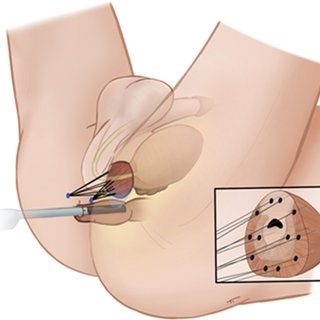
In this method, the biopsy needle is inserted through the skin between the scrotum and rectum (perineum). It may be performed under local or general anesthesia and is often used for patients who cannot undergo transrectal biopsy.
3. **MRI-Guided Biopsy**:
This method uses MRI images to guide the biopsy needle precisely to suspicious areas of the prostate. It is typically recommended for patients with abnormal MRI findings.
—
### Prostate Biopsy Procedure
1. **Patient Preparation**:
Before the biopsy, the patient may need to undergo blood tests, stop certain medications (e.g., blood thinners), and take antibiotics to prevent infection.
2. **Anesthesia**:
Depending on the biopsy method, local anesthesia, spinal anesthesia, or general anesthesia may be used.
3. **Biopsy Process**:
Using an ultrasound probe or MRI for guidance, the physician directs the biopsy needle to suspicious areas of the prostate to collect tissue samples.
4. **Procedure Completion**:
After the biopsy, the tissue samples are sent to a pathology laboratory for analysis, and the patient is typically discharged the same day.
—
### Advantages of Prostate Biopsy
1. **Accurate Diagnosis**: A prostate biopsy can detect cancer or other prostate abnormalities with high accuracy.
2. **Cancer Staging**: The collected samples help determine the stage and grade of cancer, aiding in treatment planning.
3. **Minimally Invasive**: Prostate biopsy methods are generally minimally invasive and do not require prolonged hospitalization.
—
### Disadvantages and Complications of Prostate Biopsy
1. **Bleeding**: Patients may notice blood in their urine, stool, or semen after the procedure, though this is usually temporary.
2. **Infection**: Though rare, infections may occur post-biopsy. Antibiotics before and after the procedure can reduce this risk.
3. **Pain**: Some patients may experience pain or discomfort in the prostate or rectal area.
4. **False-Negative Results**: In some cases, the biopsy may miss cancerous areas, particularly if samples are taken from non-cancerous regions.
—
### Post-Biopsy Care for Prostate Biopsy
1. **Rest**: Patients can typically resume normal activities the same day but should avoid strenuous activities for a few days.
2. **Antibiotics**: Antibiotics may be prescribed post-procedure to prevent infection.
3. **Symptom Monitoring**: Patients should watch for symptoms such as fever, chills, severe bleeding, or unbearable pain and contact their physician if these occur.
—
### Conclusion
Prostate biopsy is a key diagnostic tool for evaluating prostate cancer and other prostate abnormalities. Its high accuracy and minimally invasive nature make it essential for early detection and staging of prostate cancer. However, like any medical procedure, it may carry risks that require careful monitoring and post-procedure care. The decision to perform a biopsy should be made in consultation with a specialist physician, based on the patient’s specific condition. With ongoing advancements in medical diagnostics, methods like prostate biopsy are expected to improve treatment outcomes and reduce complications for patients with prostate cancer.
—
### Frequently Asked Questions About Prostate Biopsy
1. **How painful is a prostate biopsy?**
The procedure is typically performed under local anesthesia, causing mild discomfort that is generally tolerable.
2. **Is there a risk of infection after a prostate biopsy?**
Yes, but the risk is minimized with antibiotics and proper hygiene practices.
3. **How soon can normal activities be resumed after a prostate biopsy?**
Patients can usually resume light activities within 24 to 48 hours but should avoid strenuous activities for a few days.
4. **Does a prostate biopsy always detect cancer?**
Not necessarily. In some cases, cancer may be missed if the samples are taken from non-cancerous areas, requiring further evaluation.
5. **How long does it take to get prostate biopsy results?**
Pathology results are typically available within 3 to 7 business days.
**If you have any questions about prostate biopsy or would like to schedule a consultation with Dr. Alireza Abrishami, please visit the *Contact Us* page.**