Antegrade Ureteral Stenting: A Modern Approach to Treating Ureteral Obstruction
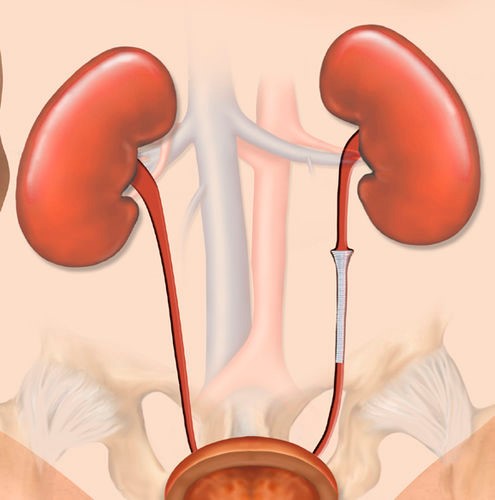
Ureters are narrow tubes that transport urine from the kidneys to the bladder. Ureteral obstruction can occur due to various reasons, such as urinary stones, tumors, congenital strictures, or inflammation. This obstruction can lead to urine buildup in the kidneys, potentially causing damage to kidney function. One modern and effective method for treating ureteral obstruction is antegrade ureteral stenting. In this article, we will explore this method, its procedure, advantages, disadvantages, and applications.
—
### Ureteral Obstruction and Treatment Challenges
Ureteral obstruction can arise from several causes, including:
– **Urinary Stones**: Kidney or ureteral stones can block the urinary tract.
– **Tumors**: Tumors in the kidney, ureter, or nearby organs can compress the ureter, causing obstruction.
– **Congenital Strictures**: Some individuals may be born with narrowed ureters.
– **Inflammation**: Infections or chronic inflammation can lead to ureteral narrowing or obstruction.
Ureteral obstruction may result in symptoms such as flank pain, fever, recurrent urinary tract infections, reduced kidney function, and, in severe cases, kidney failure. Treatment depends on the underlying cause and may include options such as medication, lithotripsy, surgery, or stenting.
—
### What is Antegrade Ureteral Stenting?
Antegrade ureteral stenting is a minimally invasive procedure in which a small, flexible tube (stent) is inserted through the skin and kidney into the ureter to relieve obstruction. This method is typically performed under imaging guidance (e.g., ultrasound or fluoroscopy) and does not require large incisions or general anesthesia.
—
### Procedure for Antegrade Ureteral Stenting
1. **Initial Evaluation**:
Before the procedure, the patient undergoes a thorough examination, which may include blood tests and imaging of the kidneys and ureters (e.g., ultrasound, CT scan, or MRI).
2. **Local Anesthesia**:
During the procedure, local anesthesia is used to numb the skin area where the needle will be inserted. The patient is typically awake but may receive sedatives for comfort.
3. **Kidney Access**:
After anesthesia, a specialized needle is inserted through the skin into the kidney under imaging guidance to ensure precision and safety.
4. **Stent Placement**:
A guidewire is passed through the needle into the ureter. The stent, a small, flexible tube typically made of silicone or polyurethane, is then guided over the wire into the ureter to bypass the obstruction. The stent has holes that allow urine to flow from the kidney to the bladder.
5. **Procedure Completion**:
Once the stent is correctly positioned, the guidewire and needle are removed, and the insertion site is bandaged. The patient is usually discharged the same day or the following day.
—
### Advantages of Antegrade Ureteral Stenting
1. **Minimally Invasive**:
Unlike traditional surgery, antegrade ureteral stenting does not require large incisions or general anesthesia, reducing pain and recovery time.
2. **Preservation of Kidney Function**:
This method quickly relieves obstruction, preventing further kidney damage.
3. **Reduced Complications**:
The risk of complications such as bleeding, infection, or damage to surrounding tissues is lower compared to traditional surgery.
4. **Rapid Results**:
Many patients experience symptom relief shortly after the procedure.
5. **Short Hospital Stay**:
Patients are typically discharged on the same day or the day after and can resume normal activities quickly.
—
### Disadvantages and Limitations of Antegrade Ureteral Stenting
1. **Need for High Expertise**:
This procedure requires advanced equipment and skilled interventional radiologists or urologists, and it may not be available in all medical centers.
2. **Temporary Solution**:
In some cases, stenting may be a temporary measure, requiring additional treatments to address the underlying cause of the obstruction.
3. **Potential Complications**:
Though rare, complications such as infection, bleeding, or stent displacement may occur.
4. **Need for Stent Replacement**:
Stents may become clogged or displaced over time, requiring periodic replacement.
—
### Applications of Antegrade Ureteral Stenting
This method is primarily used to treat ureteral obstruction caused by urinary stones, tumors, or congenital strictures. Specific applications include:
– **Urinary Stones**: For large stones causing ureteral obstruction that cannot pass spontaneously.
– **Tumors**: When tumors in the kidney, ureter, or nearby organs cause ureteral compression.
– **Congenital Strictures**: For cases where congenital narrowing causes ureteral obstruction.
—
### Conclusion
Antegrade ureteral stenting is a modern, minimally invasive method that effectively treats ureteral obstruction. By placing a stent in the ureter, it restores urine flow and prevents further kidney damage. Despite its significant advantages, this method has specific limitations and challenges, requiring advanced expertise and equipment. The decision to use this approach should be made in consultation with a specialist physician, based on the patient’s specific condition. With ongoing advancements in medical technology, methods like antegrade ureteral stenting are expected to improve treatment outcomes and reduce complications for patients with ureteral obstruction.
—
### Frequently Asked Questions About Antegrade Ureteral Stenting
1. **How is antegrade ureteral stenting performed?**
Antegrade ureteral stenting is performed through the skin and kidney. Using imaging guidance (e.g., ultrasound or fluoroscopy), a needle is inserted into the kidney, and a guidewire is passed from the kidney into the ureter. A flexible stent is then placed over the wire to relieve the obstruction. The procedure typically does not require open surgery or general anesthesia and is often performed under local anesthesia.
2. **Is antegrade ureteral stenting painful?**
The procedure is performed under local anesthesia, so the patient experiences minimal pain during the process. After the procedure, mild discomfort, burning during urination, or slight flank pain may occur, but these are usually temporary and manageable with pain relievers.
3. **How long does the stent remain in the body?**
The duration depends on the cause of the obstruction and the physician’s recommendation. In some cases, the stent is placed for a few weeks, while in others, periodic replacement may be needed. The physician will determine the appropriate time for removal or replacement based on the condition of the kidneys and urinary tract.
4. **Is antegrade ureteral stenting a substitute for surgery?**
In many cases, yes. Antegrade stenting is a minimally invasive method that can reduce or delay the need for open surgery. However, if the underlying cause of the obstruction requires definitive treatment (e.g., tumor removal or correction of severe strictures), the stent may serve as a temporary solution.
5. **What are the post-procedure care requirements for antegrade ureteral stenting?**
– Drink plenty of fluids to prevent infection or sediment buildup in the stent.
– Regular follow-up visits with the physician to monitor the stent’s condition.
– Avoid heavy physical activity in the first few days after the procedure.
– Report symptoms such as fever, severe pain, blood in urine, or inability to urinate to the physician immediately.
**If you have any questions about antegrade ureteral stenting or would like to schedule a consultation with Dr. Alireza Abrishami, please visit the *Contact Us* page.**