Prostate Embolization: A New Approach to Treating Prostate Problems
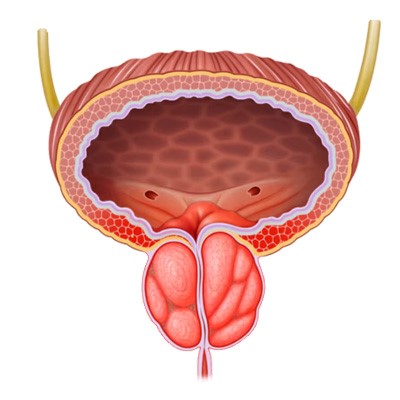
The prostate is a small, important gland in the male body that is located below the bladder and around the urethra. This gland plays an important role in the production of semen, and its health is essential for the normal functioning of the male urinary and reproductive systems. However, as men age, many men face prostate-related problems. These problems include benign prostatic hyperplasia (BPH), prostate cancer, and prostatitis. One of the new, less invasive methods for treating some of these problems is prostate embolization. In this article, we will review this method, its advantages, disadvantages, and applications.
Benign Prostatic Hyperplasia (BPH) and Treatment Challenges
Benign Prostatic Hyperplasia (BPH) is one of the most common prostate problems in men over 50. In this case, the prostate gland becomes enlarged due to noncancerous growths and puts pressure on the urethra. This pressure can lead to symptoms such as frequent urination, difficulty starting to urinate, a weak urine stream, a feeling of incomplete emptying of the bladder, and even urinary retention. In severe cases, BPH can cause kidney damage or recurrent urinary tract infections. There are several treatments for BPH, including oral medications, surgical procedures such as transurethral resection of the prostate (TURP), and minimally invasive procedures such as laser therapy. However, each of these methods may be associated with complications or may not be suitable for some patients. This is where prostate embolization comes in as a new and effective treatment option.
What is prostate embolization?
Prostate embolization is a minimally invasive procedure in which blood vessels that feed the prostate are blocked using imaging techniques. This reduces blood supply to the prostate, causing it to shrink. This procedure is usually performed by interventional radiologists and does not require general anesthesia.
Steps for performing prostate embolization
1. Initial evaluation: Before embolization, the patient undergoes a thorough examination. This examination may include blood tests, prostate imaging, and an evaluation of urinary symptoms.
2. Imaging: During the procedure, imaging techniques such as angiography are used to identify the blood vessels that feed the prostate.
3. Injection of embolizing agents: Once the vessels are identified, specific agents (usually microspheres or special gels) are injected into these vessels through a catheter. These substances block the blood vessels and reduce blood supply to the prostate.
4. End of the procedure: After ensuring that the vessels are blocked, the catheter is removed and the insertion site is bandaged. The patient is usually discharged the same day or the next day.
Advantages of prostate embolization
1. Minimally invasive: Unlike traditional surgical procedures, prostate embolization does not require large incisions or general anesthesia. This reduces pain and recovery time.
2. Reduced complications: This procedure is less likely to cause complications such as bleeding, infection, or damage to surrounding tissues.
3. Rapid results: Many patients experience improvement in urinary symptoms shortly after surgery.
4. No need for a long hospital stay: Patients are usually discharged the same day or the day after surgery and can return to their normal activities.
Disadvantages and limitations of prostate embolization
1. High expertise required: This procedure requires advanced equipment and the expertise of interventional radiologists and may not be available in all medical centers.
2. Temporary results: In some cases, the results of embolization may be temporary and may require repeat procedures.
3. Possible complications: Although rare, complications such as infection, allergic reactions to the injected materials, or damage to nearby vessels may occur.
Uses of prostate embolization
Prostate embolization is primarily used to treat benign prostatic hyperplasia (BPH). However, recent research has shown that this procedure may also be effective in treating other prostate-related conditions, such as prostate cancer or prostatic bleeding. Of course, the use of this procedure in cases other than BPH is still in the research stage and requires further studies.
Conclusion
Prostate embolization is a novel, minimally invasive procedure that can be used as an effective treatment option for men with benign prostatic hyperplasia (BPH). This procedure shrinks the prostate by reducing blood flow to it, improving urinary symptoms. Despite its significant benefits, this procedure has its own limitations and challenges and requires expertise and advanced equipment. Ultimately, the decision to use this procedure should be made in consultation with a specialist physician and based on the specific circumstances of each patient.
With the increasing advances in the field of medicine, it is hoped that procedures such as prostate embolization can significantly improve the quality of life of patients with prostate problems.
Frequently asked questions about prostate embolization:
1. What problems is prostate embolization used to treat?
– Answer: The main treatment for benign prostatic hyperplasia (BPH) with severe urinary symptoms.
2. What is the main advantage of this method over traditional surgery?
– Answer: Minimally invasive, no need for general anesthesia and shorter recovery period.
3. Does prostate embolization have dangerous side effects?
– Answer: Serious side effects are rare, but temporary pain or minor infection may occur.
4. How quickly do the results of this treatment appear?
– Answer: Improvement in symptoms is usually seen within 4-6 weeks after the procedure.
5. Can all patients use this method?
– Answer: No, it is not suitable for advanced cases of prostate cancer or active infections.
** If you have any questions about prostate embolization or would like to make an appointment with Dr. Alireza Abrishami for a consultation and work-up, please visit our contact page.