Prostate Marker Placement: A Key Technique in the Diagnosis and Treatment of Prostate Conditions
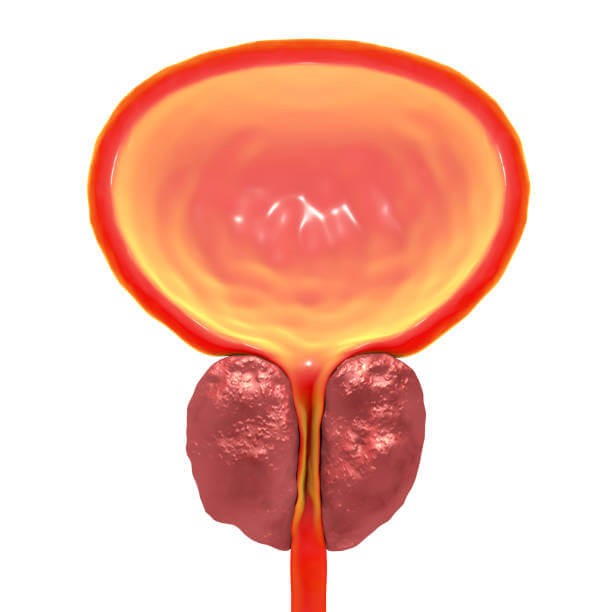
Prostate marker placement is an advanced and essential method in the diagnosis and treatment of prostate conditions, particularly prostate cancer. This technique enables physicians to accurately identify tumors or abnormalities in the prostate gland and plan treatment more effectively.
—
### What is Prostate Marker Placement?
Prostate marker placement involves inserting a small marker or fiducial near or within a tumor or abnormality in the prostate. These markers are typically made of materials that are detectable through medical imaging techniques such as ultrasound, MRI, or CT scans. The primary goal of this method is to precisely locate tumors, facilitating biopsy or surgical procedures.
—
### Reasons for Using Prostate Marker Placement
1. **Improved Diagnostic Accuracy**: Marker placement helps physicians identify small or non-palpable tumors.
2. **Treatment Planning**: It allows for more precise treatment planning, minimizing damage to healthy tissues.
3. **Monitoring Patient Progress**: This method enables tracking of changes in tumor size and condition over time.
—
### Prostate Marker Placement Procedure
The prostate marker placement procedure typically includes the following steps:
1. **Patient Preparation**:
Before the procedure, the patient is informed about the process and may undergo preliminary tests, such as an ultrasound.
2. **Local Anesthesia**:
To reduce pain and discomfort, the physician administers local anesthesia to the targeted area.
3. **Marker Placement**:
Using a specialized needle, the marker is placed precisely at the site of the tumor. This step is performed with high precision to ensure accurate marker positioning.
4. **Imaging Confirmation**:
After marker placement, imaging is conducted to verify the marker’s position.
—
### Advantages of Prostate Marker Placement
Prostate marker placement offers several advantages, including:
1. **High Accuracy**:
This method allows physicians to detect tumors with greater precision and plan treatments accordingly.
2. **Reduced Complications**:
By using minimally invasive techniques, the risk of surgical complications is minimized.
3. **Increased Patient Confidence**:
Patients feel more reassured about their treatment process due to the precision of this method.
—
### Applications of Prostate Marker Placement
Prostate marker placement is commonly recommended in the following cases:
1. **Suspicious Tumors**: When a tumor in the prostate requires further evaluation.
2. **Patients Undergoing Chemotherapy or Radiotherapy**: To guide treatment more accurately and avoid damage to healthy tissues.
3. **Small or Non-Palpable Tumors**: To identify and monitor the status of these tumors.
—
### Risks and Potential Complications
Although prostate marker placement is a minimally invasive procedure, some potential side effects may include:
1. **Mild Pain**: Patients may experience slight pain after the procedure.
2. **Minor Bleeding**: Mild bleeding may occur at the needle insertion site.
3. **Infection**: As with any medical procedure, there is a risk of infection.
—
### Conclusion
Prostate marker placement is a vital tool in the diagnosis and treatment of prostate conditions, particularly prostate cancer. By enhancing diagnostic accuracy and reducing surgical complications, this technique improves treatment outcomes for patients. Given its numerous benefits, physicians increasingly rely on this method for treatment planning.
—
### Frequently Asked Questions About Prostate Marker Placement
1. **How is prostate marker placement performed?**
Prostate marker placement is performed using a specialized needle guided by imaging to place a marker near the tumor.
2. **Is prostate marker placement painful?**
The procedure is typically performed under local anesthesia, making the pain minimal and tolerable.
3. **How does prostate marker placement differ from prostate biopsy?**
Marker placement is used to mark the precise location of a tumor before a biopsy or treatment, while a biopsy involves collecting a tissue sample.
4. **Does the marker remain in the body?**
In some cases, the marker remains permanently in place without causing issues; in others, it may be removed.
5. **Does prostate marker placement improve the accuracy of prostate cancer treatment?**
Yes, by precisely identifying the tumor’s location, this method enhances treatment guidance and minimizes damage to healthy tissues.
**If you have any questions about prostate marker placement or would like to schedule a consultation with Dr. Alireza Abrishami, please visit the *Contact Us* page.**